Constructivism/Suprematism · 1923
Small composition (Λάσλο Μόχολι-Νάγκι, 1923)
Ο/Η Λάσλο Μόχολι-Νάγκι (1895–1946) δημιούργησε το Small composition. Χρονολογείται στο 1923. Ανήκει στο κίνημα Constructivism/Suprematism. Είναι φτιαγμένο σε Acrylic On Canvas. Αποθηκεύεται στο Βάουφ-Βέσελ Μουσείο στο Δέσσας-Ρόζλαου, Γερμανία. Οι διαστάσεις είναι 24 × 30 cm.
- 1923
- Acrylic On Canvas
- 24 × 30 cm
- Βάουφ-Βέσελ Μουσείο, Δέσσας-Ρόζλαου

 Προεπισκόπηση σε πραγματική κλίμακα

 Ελαιογραφικό Χειροποίητο Έργο
 Αποστολή
 Κοινοποίηση
 Πληροφοριακό φύλλο


 Λήψη
 Παρόμοια αντικείμενα συλλογής
 Ακτινογραφία
 Παρουσίαση
 Ερωτήσεις & Απαντήσεις

 Στατιστικά
Small composition, εν συντομία
- Τίτλος
- Small composition
- Καλλιτέχνης
- Λάσλο Μόχολι-Νάγκι (1895–1946)
- Γεννημένος/η το
- Μπάκσμπορσοντ, Ουγγαρία
- Ημερομηνία
- 1923
- Μέσο
- Acrylic On Canvas
- Διαστάσεις
- 24 × 30 cm
- Πού εκτίθεται
- Βάουφ-Βέσελ Μουσείο, Δέσσας-Ρόζλαου, Γερμανία
- Θέμα
- abstract art, geometric shapes, line composition, modern design, spatial relationships, color harmony
Τι απεικονίζει το Small composition;
László Moholy-Nagy’s “Small Composition”: A Pioneering Leap into Abstract Form
“Small Composition,” created in 1923 by László Moholy-Nagy, isn't merely a painting; it’s a crystallized moment of artistic revolution. Emerging from the fertile ground of Constructivism and deeply influenced by the radical experimentation of the Bauhaus school, this work represents a pivotal shift in how artists approached representation – moving beyond mimetic accuracy to explore the inherent power of form, line, and color as autonomous elements of visual language. The piece, rendered in watercolor and gouache on paper, immediately captivates with its dynamic geometry, a carefully orchestrated balance between order and chaos that speaks volumes about the artist’s evolving philosophy.
At first glance, “Small Composition” appears strikingly abstract, yet closer inspection reveals a sophisticated system of relationships. A central axis line bisects the canvas, acting as a silent guide to the placement of several key shapes: a vibrant blue crescent moon, a bold yellow circle, and a striking red rectangle. These aren’t simply decorative elements; they are deliberately positioned to create a sense of spatial depth and visual tension. The overlapping forms suggest movement and interaction, inviting the viewer to actively engage with the composition and decipher its underlying structure. The flatness of the medium – watercolor and gouache on paper – further emphasizes this interplay of form, creating an illusion of three-dimensionality through careful layering and line weight.
The Bauhaus Legacy and the Embrace of Technology
To fully appreciate “Small Composition,” it’s crucial to understand its context within the broader artistic landscape of the early 20th century. Moholy-Nagy's time at the Bauhaus in Weimar was transformative, exposing him to a radical new approach to design that sought to integrate art with industry and technology. The Bauhaus championed functionalism, believing that art should serve a purpose beyond mere aesthetics – it should improve people’s lives through innovative design solutions. This ethos is powerfully reflected in “Small Composition,” which can be seen as an exploration of the principles of geometric abstraction, a technique favored by Constructivist artists like Piet Mondrian and Kazimir Malevich.
However, Moholy-Nagy wasn't simply replicating these movements; he was pushing them forward. He recognized the potential of photography – a relatively new medium at the time – to challenge traditional notions of representation. His early experiments with photograms (photographs created without a camera) demonstrated his fascination with chance and accident, suggesting that art could emerge from unexpected combinations of light and shadow. “Small Composition” can be interpreted as an extension of this exploration, utilizing the principles of photography—particularly its ability to capture fleeting moments and manipulate perception—to create a dynamic and visually arresting composition.
Symbolism and Emotional Resonance
While ostensibly abstract, "Small Composition" is rich in subtle symbolism. The dominant blue crescent moon could represent intuition or dreams, while the bold yellow circle might symbolize energy or enlightenment. The red rectangle, often associated with stability and structure, provides a grounding element to the composition. The deliberate use of color—each hue carefully chosen for its emotional impact—further enhances the work’s expressive power. It's not about depicting recognizable objects; it’s about evoking feelings and ideas through pure form and color.
Beyond these specific symbols, “Small Composition” resonates with a sense of dynamism and forward momentum. The intersecting lines and overlapping shapes create a feeling of movement and transformation, suggesting that the artwork is constantly evolving before the viewer's eyes. It’s a testament to Moholy-Nagy’s belief that art should be an active force—capable of stimulating thought, provoking emotion, and ultimately transforming our perception of the world.
A Reproduction Worthy of Display
Reproductions of “Small Composition” offer a remarkable opportunity to bring this pioneering artwork into any interior space. The vibrant colors and dynamic composition will add a touch of modern sophistication while simultaneously evoking the spirit of artistic innovation. Consider framing the reproduction in a minimalist style to allow the artwork’s inherent beauty to shine through, or opt for a bold statement piece that commands attention. “Small Composition” is more than just a print; it's an invitation to engage with the transformative power of abstract art.
Σε ποιο μουσείο βρίσκεται το Small composition;
Βάουφ-Βέσελ Μουσείο
Δέσσας-Ρόζλαου, Γερμανία
Η Μουσείο Βάουφ-Βέσελ: Ένα Ταξίδι στην Ψυχή της Σύγχρονης Αρχιτεκτονικής Στην καρδιά της Δέσσας, στη Γερμανία, στέκει ένα κτίριο που δεν είναι απλά ένα μουσείο – είναι μια εμπειρία. Το Μουσείο Βάουφ-Βέσελ, ή Bauhaus Dessau Foundation, αποτελεί ένα ζωντανό μνημείο στην ιστορία της αρχιτεκτονικής και του σχεδιασμού, ένα μέρος όπου η ιδέα συναντά την πράξη και το όνειρο γίνεται πραγματικότητα. Η ίδρυση του μουσείου, στο εμβληματικό κτίριο που σχεδίασε ο Βάλτερ Γρόπινους, σηματοδότησε μια προσπάθεια διατήρησης και προβολής της πνευματικής κληρονομιάς του Βάουφ, ενός ρεύματος που έφερε επανάσταση στον κόσμο της τέχνης και του σχεδιασμού.

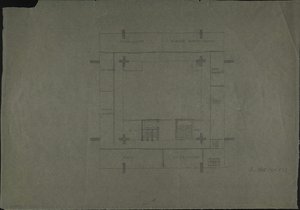

Εικόνες υψηλής ανάλυσης του Small composition

Δημόσιος τομέας: ο καλλιτέχνης απεβίωσε το 1946.
Άλλες διαστάσεις, καρέττες και αναφορά →Λάσλο Μόχολι-Νάγκι, Small composition (1923), Βάουφ-Βέσελ Μουσείο. Δημόσιο περιουσιακό δικαίωμα
Ερωτήσεις για το Small composition, απαντημένες
Σε ποιο μουσείο βρίσκεται το πρωτότυπο έργο "Small composition";
Το πρωτότυπο έργο "Small composition" εκτίθεται στο Βάουφ-Βέσελ Μουσείο, Δέσσας-Ρόζλαου, Γερμανία.
Πότε δημιουργήθηκε το "Small composition";
Το έργο "Small composition" του Λάσλο Μόχολι-Νάγκι δημιουργήθηκε το έτος 1923.
Με τι τεχνική έχει δημιουργηθεί το "Small composition";
Το έργο "Small composition" εκτελέστηκε με τη χρήση του/της Acrylic On Canvas.
Ποια είναι οι διαστάσεις του πρωτότυπου "Small composition";
Το έργο "Small composition" έχει διαστάσεις 24 x 30 cm στην αρχική του μορφή. Οι αρχικές διαστάσεις αποτελούν μια χρήσιμη αναφορά κατά την επιλογή μεγέθους για μια αναπαραγωγή.
Τι απεικονίζει το "Small composition" του Λάσλο Μόχολι-Νάγκι;
Τα θέματα του "Small composition" είναι τα abstract art, geometric shapes, line composition, modern design, spatial relationships, color harmony, early 20th century, minimalist form.
Το έργο "Small composition" του Λάσλο Μόχολι-Νάγκι ανήκει στο δημόσιο περιουσιακό αγαθό;
Η κατάσταση των πνευματικών δικαιωμάτων για το έργο "Small composition" του Λάσλο Μόχολι-Νάγκι είναι η εξής: το έργο ανήκει στο δημόσιο κτήμα - τα δικαιώματα αυτορության έχουν λήξει. Αυτό καθορίζει εάν επιτρέπεται η ελεύθερη αναπαραγωγή της εικόνας.
Ποιος είναι ο καλλιτέχνης πίσω από το "Small composition";
Το έργο "Small composition" αποδίδεται στον/στην Λάσλο Μόχολι-Νάγκι.
Σε ποιο καλλιτεχνικό ρεύμα ανήκει το "Small composition";
Το καλλιτεχνικό ρεύμα που συνδέεται με το "Small composition" του Λάσλο Μόχολι-Νάγκι είναι το Constructivism/Suprematism. Αυτή η ταξινόμηση τοποθετεί το έργο ανάμεσα σε σχετικούς καλλιτέχνες και έργα τέχνης.
Ποια εποχή της καριέρας του/της Λάσλο Μόχολι-Νάγκι αντιπροσωπεύει το έργο "Small composition";
Στο πλαίσιο της καριέρας του/της Λάσλο Μόχολι-Νάγκι, το έργο "Small composition" ανήκει στην περίοδο Early Modern. Αυτή η φάση διευκολύνει τη σύγκρισή του με άλλα έργα του/της καλλιτέχνη/της.
Σχετικά με τον καλλιτέχνη, Λάσλο Μόχολι-Νάγκι

1895–1946, Ουγγαρία
Λάσλο Μόχολι-Νάγκι
László Moholy-Nagy: Ένας Πρωτοποριακός Καλλιτέχνης της Μοντέρνας Τέχνης και του Βαυχάου László Moholy- Nagy ήταν ένας βαθιά επιδραστικός Ουγγρικός ζωγράφος, φωτογράφος, γλύπτης και σχεδιαστής. Είναι καλύτερα γνωστός για τις σημαντικές συνεισφορές του στο σχολείο Βαυχάου και την πρωτοποριακή του εργασία στην κονστρουκτιβισμό, τη φωτογραφία και την κινητική τέχνη. Η καλλιτεχνική του φιλοσοφία επικεντρώνεται στην ενσωμάτωση της τεχνολογίας και της βιομηχανίας στις τέχνες, υποστηρίζοντας μια νέα οπτική για τη δημιουργικότητα που αγκαλιάζει τον σύγχρονο κόσμο. Πρώιμη Ζωή και Επιρροές Γεννήθηκε Λάζαρος Βεΐς στην Μπάκσκαϊζαλα της Ουγγαρίας το 1895 και αργότερα υιοθέτησε το επώνυμο Μόχολυ Νάγος.
Σχετικά με τον Λάσλο Μόχολι-Νάγκι Σημαντικά έργα του Λάσλο Μόχολι-Νάγκι
Εργασίες του Λάσλο Μόχολι-Νάγκι
 Untitled, Dessau
 Untitled\n\nUntitled1939
 Untitled
 Hilla Rebay1924

Μελέτες γύρω από το Small composition
 Γεωμετρική Αφαίρεση: 10 Έργα που Άλλαξαν την Τέχνη | OriginalUniqueArt.grΑνακαλύψτε τα 10 κορυφαία έργα της Γεωμετρικής Αφαίρεσης! Μοντριάν, Καντίνσκι & άλλοι. Ιστορίες, τεχνικές και έμπνευση για τη διακόσμηση το…
 De Stijl and Bauhaus: Distinguishing Two Pillars of Modern DesignMaster the distinctions between De Stijl and Bauhaus design. Explore the history of these modern pillars now.
 Geometry with Purpose: Distinguishing Suprematism from ConstructivismMaster the differences between Suprematism and Constructivism with our expert guide. Discover the soul of the Russian avant-garde now.