

 Προεπισκόπηση σε πραγματική κλίμακα
 Αποστολή
 Κοινοποίηση
 Λεπτομέρειες
 Οδηγός

 Λήψη
Λήψη
 Παρόμοια αντικείμενα συλλογής
 Ακτινογραφία
 Παρουσίαση
 Στατιστικά
Off the Continental Divide


 Περισσότερα
Το έργο τέχνης που εμφανίζεται σε αυτή τη σελίδα προστατεύεται από τους νόμους περί πνευματικών δικαιωμάτων, γεγονός που σημαίνει ότι δεν μπορούμε νομικά να δημιουργήσουμε ή να πουλήσουμε μια ταυτόσημη αναπαραγωγή του. Αυτή η προστασία επιβάλλεται βάσει διεθνών συμφωνιών, όπως η Σύμβαση της Βέρνης καθώς και από τους εθνικούς νόμους, συμπεριλαμβανομένων αυτών που ορίζονται από το Νομοθεσία περί πνευματικών δικαιωμάτων των ΗΠΑ - Τίτλος 17. Όλα τα δικαιώματα κατοχυρωμένα. Απαγορεύεται η αναπαραγωγή χωρίς άδεια.
Ως μια σεβαστή και νόμιμη εναλλακτική, προσφέρουμε προσαρμοσμένα, χειροποίητα έργα τέχνης εμπνευσμένα από το πρωτότυπο. Οι έμπειροι και επαγγελματίες καλλιτέχνες μας μελετούν προσεκτικά το στυλ, τη διάθεση και την καλλιτεχνική ουσία του πρωτοτύπου, ώστε να δημιουργήσουν ένα νέο, μοναδικό έργο που προκαλεί την ίδια αίσθηση — παραμένοντας όμως μια πρωτότυπη δημιουργία από μόνη της.
Αυτή η μέθοδος συμμορφώνεται πλήρως με τους κανονισμούς περί πνευματικών δικαιωμάτων, καθώς δεν περιλαμβάνει την αντιγραφή ή την αναπαραγωγή του προστατευόμενου έργου. Αντίθετα, πρόκειται για μια δημιουργική ερμηνεία — ένα νέο έργο που επηρεάζεται από το πρωτότυπο, χωρίς όμως να είναι πανομοιότυπο με αυτό.
Χειροποίητη Αναπαραγωγή σε Έλαιο
Χειροποίητη ελαιογραφία σε καμβά στο δικό σας μέγεθος και πλαίσιο, κατά παραγγελία από τους καλλιτέχνες μας. ( Μετάβαση σε Εκτυπώσεις Μετάβαση σε Ψηφιακή Αποτέλεσμα)




P118B €10

P118H €10

P118W €10

P438Z €10

P508JH €12

P508YH €12

P805H €10

P805Z €10

P919BZ €10

P919G €10

P919XJ €10

P959ZH €10

P968JZ €12

W106C €8

W218G €10

W218JH €8

W218Y €10

W307PJ €10

W316G €10

W316PJ €8

W316Y €10

W398PJ €8

W4111J €10

W500HY €15

W500JH €15

W692G €12

W849H €8

W940BG €15

W953PJ €8




Επιλέξτε από τις προκαθορισμένες διαστάσεις μας που διατηρούν τις αρχικές αναλογίες του έργου τέχνης.

Πληκτρολογήστε το πλάτος και το ύψος που επιθυμείτε, ώστε να ταιριάζουν στο κάδሮ ή στον τοίχο σας. Ε เนื่องจาก πρόκειται για χειροποίητη ζωγραφική, σε περίπτωση διαστάσεων με διαφορετικό σχήμα, ο καλλιτέχνης μπορεί να ζωγραφίσει λίγο παραπάνω γύρω από το έργο ή να αφαιρέσει ένα μέρος — η επιλογή είναι δική σας. Σας στέλνουμε ένα ψηφιακό mockup για έγκριση πριν ξεκινήσει η δημιουργία του έργου. Η εικόνα που εμφανίζεται σε αυτή τη σελίδα δεν δείχνει το τελικό αποτέλεσμα — μόνο το mockup το αναδεικνύει.
Μετά την παραγγελία, η ομάδα του OriginalUniqueArt.com θα στείλει email στον πελάτη με οδηγίες και θα παρέχει μια προεπισκόπηση προσχεδίου
Παγκόσμια Αποστολή () σε 3-4 εβδομάδες αντί για τις συνήθεις 5 εβδομάδες. (27 Οκτώβριος). Χωρίς συμβιβασμούς στην ποιότητα.

Δωρεάν γρήγορη διεθνής αποστολή

Κάμβας από Λινό Υψηλής Ποιότητας

Πλήρης ασφάλιση μεταφοράς

Εγγύηση επιστροφής δασμών και φόρων εισαγωγής

Εγγύηση Απόλυτης Ομοιότητας Χρωμάτων

Πολιτική Επιστροφής 100 Ημερών (Μόνο σε περίπτωση ελαττωμάτων)

Εγγύηση επιστροφής 100% των χρημάτων

Προσφορά για πολλαπλές παραγγελίες
 Η επιλογή με γυαλί είναι διαθέσιμη μόνο για μεγέθη κάτω από 110 εκ.

Off the Continental Divide
Μέσο Αναπαραγωγής
Διαστάσεις Αναπαραγωγής
-


Τελική Τιμή
€ 263
A Fragmented Vision: The Surreal World of James Rosenquist
In the vibrant, often disorienting landscape of mid-century American art, few voices resonate with as much kinetic energy as James Rosenquist. His masterpiece, Off the Continental Divide, created between 1973 and 1974, serves as a breathtaking window into a psyche caught between the mundane and the monumental. To gaze upon this work is to enter a dreamscape where the boundaries of reality are blurred by the sheer force of color and composition. Rosenquist, a pioneer of the Pop Art movement, possessed a singular ability to take the familiar—the textures of an interior, the curves of a dashboard, the upward climb of a staircase—and reassemble them into something profoundly surreal and emotionally charged. The piece does not merely depict a scene; it orchestrates a sensory experience that pulls the viewer into a state of heightened awareness.
The artwork presents a fragmented view, much like looking through a windshield during a rapid journey through an unknown territory. One is met with a striking, asymmetrical arrangement where a staircase ascends toward an unseen summit, juxtaposed against the sweeping, organic curves of a dashboard. This composition creates a deliberate sense of disorientation, mirroring the transient and nomadic spirit that defined Rosenquist’s own early life. The use of intense, saturated hues—bold reds, electric blues, and vibrant yellows—transforms a simple interior into a pulsating arena of light and shadow. Through his masterful application of technique, likely rooted in the precision of printmaking such as lithography or screen printing, Rosenquist achieves a flatness of color that is simultaneously smooth and textured by expressive, visible brushstrokes.
Symbolism and the Pulse of Consumer Culture
Beyond its immediate visual impact, Off the Continental Divide functions as a sophisticated commentary on the American experience. As a master of blending advertising imagery with surrealist elements, Rosenquist utilizes the language of consumerism to explore deeper existential themes. The colorful rods or sticks adorning the dashboard act as rhythmic interruptions, perhaps symbolizing the chaotic flow of energy and information that characterizes modern life. There is a palpable tension between the geometric stability of the rectangular stairs and the fluid, unpredictable lines of the surrounding environment. This duality suggests a struggle between progress—represented by the ascent of the stairs—and the overwhelming, often fragmented nature of the cultural landscape we inhabit.
For the discerning collector or interior designer, this piece offers more than just aesthetic brilliance; it provides a focal point of intellectual depth. The artwork’s ability to evoke both movement and stillness makes it an extraordinary addition to any curated space. It possesses a transformative quality, capable of anchoring a room with its bold presence while inviting quiet contemplation of its layered meanings. Whether one is drawn to the nostalgic echoes of 1970s Pop Art or the avant-garde exploration of perspective, Rosenquist’s work remains a timeless testament to the power of reimagining the everyday. To possess a high-quality reproduction of this work is to hold a fragment of art history that continues to challenge, inspire, and captivate the modern eye.
Ερωτήσεις και Απαντήσεις
Ποια χρωματική παλέτα χρησιμοποιεί το "Off the Continental Divide";
Τα χρώματα του "Off the Continental Divide" συνθέτουν μια παλέτα Neutrals. Αυτή η ταξινόμηση περιγράφει τις κυρίαρχες οικογένειες χρωμάτων.
Ποιος καλλιτέχνης και ποιο στυλ βρίσκονται πίσω από το "Off the Continental Divide";
Ο/Η Τζέιμς Ρόζερινκστάιν δημιούργησε το "Off the Continental Divide" στο πλαίσιο του movements Pop Art.
Ποιος δημιούργησε το "Off the Continental Divide";
Ο καλλιτέχνης πίσω από το "Off the Continental Divide" είναι ο/η Τζέιμς Ρόζερινκστάιν. Το έργο καταχωρείται υπό το όνομα του/της Τζέιμς Ρόζερινκστάιν.
Βιογραφικό Καλλιτέχνη
Πρώιμη Ζωή και οι Σπόροι μιας Όρασης
Ο James Rosenquist αναδύθηκε ως μια κομβική μορφή στην αμερικανική τέχνη, αν και συχνά απέφευγε τις εύκολες ταμπλοποιήσεις, γεννημένος το 1933 στο Grand Forks της Νότια Ντακότα. Η ανατροφή του χαρακτηρίστηκε από συνεχή μετακίνηση· οι γονείς του, ο Louis και η Ruth Rosenquist —έμμεσοι πιλότοι με σουηδική καταγωγή— ακολούθδατο την εργασία τους όπου κι αν την οδήγησε, εγκαταστάθηκαν τελικά στο Minneapolis του Μινεσότα. Αυτή η νομαδική ύπαρξη ίσως εμφύτευσε στον νεαρό James μια μοναδική προοπτική, μια επίγνωση της φθαρής φύσης της εικόνας και της εμπειρίας που αργότερα θα διέπρεπε την τέχνη του. Η μητέρα του, η ίδια ζωγράφας, καλλιέργησε τις πρώτες του καλλιτεχνικές κλίσεις, αναγνωρίζοντας και προωθώντας ένα ταλέντο που θα άνθιζε σε μια πρωτοποριακή καριέρα. Μια υποτροφία στο Minneapolis School of Art κατά την εφηβεία του παρέθεσε την αρχική τυπική εκπαίδευση, η οποία ακολούθησε από σπουδές στο Πανεπιστήμιο του Μινεσότα από το 1952 έως το 1954. Ωστόσο, ήταν η μετακόμιση στο New York City το 1955, μέσω μιας υποτροφίας της Art Students League, που έθεσε πραγματικά σε κίνηση την καλλιτεχνική του πορεία. Εκεί, υπό την καθοδήγηση των Edwin Dickinson και George Grosz, εξερεύνησε αρχικά τον αφηρημένο εξπρεσιονισμό, θέτοντας τα θεμέλια της τεχνικής του, ακόμη και αν τελικά θα δημιουργούσε μια ριζικά διαφορετική διαδρομή. Οι πρώτες δυσκολίες τον οδήγησαν να εργαστεί ως οδηγ αυτοκινήτου πριν ενταχθεί στην International Brotherhood of Painters and Allied Trades —μια πρακτική στροφή που αποδείχθηκε απροσδόκητα καθοριστική για την καλλιτεχνική του εξέλιξη.Από τους Διαφημιστικούς Πίνακες στις Μνημονευτικές Όψεις
Τα χρόνια που ο Rosenquist αφιέρωσε στη ζωγραφική διαφημιστικών πινακών στην Times Square, από το 1957 έως το 1960, ήταν μεταμορφωτικά. Ανέβηκε γρήγορα στις τάξεις της Artkraft-Strauss, becoming ο κύριος ζωγράφος τους και κατακτώντας τις τεχνικές της μεγάλης κλίβους εμπορικής τέχνης —τεχνικές που αργότερα θα υποβληθεί και θα αναβαθμίσει με λαμπρότητα στον χώρο της γ fine art. Αυτό δεν ήταν απλώς μια δουλειά· ήταν μια κατάδυση στη οπτική γλώσσα της διαφήμισης, έναν κόσμο έντονων χρωμάτων, κατακερματισμένων εικόνων και πειστικής δύναμης. Έμαθε να χειραγωγεί την κλίμακα, τη σύνθεση και το χρώμα για να κεντρίσει την προσοχή, δεξιοτόπια που έγιναν τα χαρακτηριστικά σήματα του ώριμου στυλ του. Ένα τραγικό γεγονός —ο θάνατος ενός φίλου σε ατύχημα με σκαλωστόφόρο— ώθησε τον Rosenquist να εγκαταλείψει την εμπορική εργασία και να αφιερώσει πλήρως τον εαυτό του σε προσωπικά καλλιτεχνικά έργα. Όμως δεν άφησε πίσω του τον κόσμο των διαφημιστικών πινακών· αντίθετα, μετέφερε την ουσία του στις ζωγραφιές του, διατηρώντας τις τεχνικές, την εικονογραφία και τη μονυμεντική κλίμακα. Θυμόταν πως ζωγράφιζε πινακίδες Phillips 66 σε όλη τη Νότια Ντακότα και το Οχλαχόσα ακόμα και ως έφηβος, επιδεικνύοντας μια πρώιμη σύνδεση με τη δύναμη της εμπορειάς. Αυτό το υπόβαθρο τον διέβαλε από άλλους καλλιτέχνες του Pop Art που συχνά προσέγγιζαν τη διαφήμιση με ειρωνεία ή κριτική· η σχέση του Rosenquist ήταν πιο περίπλοκη —μια γοητεία που γεννήθηκε από την άμεση γνώση.Ένας Πρωτοπόρος του Pop: Κατακερματισμός και Πολιτισμικός Σχολιασμός
Ο Rosenquist αναγνωρίζεται δικαιόλογα ως μια βασική μορφή της κίνησης Pop Art, αν και σταθερά απέφευγε την ταμπλοποίηση. Το έργο του μοιραζόταν ομοιότητες με καλλιτέχνες όπως ο Andy Warhol και ο Roy Lichtenstein στην απόκτηση δημοφιλών εικόνων, αλλά η προσέγγισή του ήταν ξεχωριστά δική του. Δεν αναπαράγαγε απλώς εικόνες· τις κατάρριπτε σε κομμάτια, τις τοποθετούσε σε απροσδόκητες συνάψεις και τις μεγάλωνε για να δημιουργήσει μοναδικά μοντάζ μεγάλης κλίμακας που διέθεταν μια σουρεαλιστική, ονειρική ποιότητα. Οι πίνακές του δεν ήταν απλώς αναπαραστάσεις της καταναλωτικής κουλτούρής· ήταν εξερευνήσεις της διαχέτευσης της επιρροής της στην ψυχή, της ικανότητάς της να κατακλύζει και να αποπροσανατολίζει. Το F-111 (1964-65), ίσως το πιο εμβληματικό του έργο, ενσαρκώνει αυτή την προσέγγιση —έναν απέραντο καμβά που συνδυάζει εικόνες ενός στρατιωτικού αεροσκάφους με καταναλωτικά προϊόντα, δημιουργώντας έναν συγκλονιστικό σχολιασμό για τον πόλεμο, την τεχνολογία και το αμερικανικό όνειρο. Παρόμοια, το Target II (1965) αναλύει την εικονογραφία της διαφήμισης, αποκαλύπτοντας τις υποκείμενες δομές και τη χειραγωγητική της δύναμη. Οι καμβές του έγιναν αρένες για την εξερεύνηση θεμάτων καταναλωτισμού,media saturation και της κατακερματισμένης φύσης της σύγχρονης εμπειρίας. Δεν αντικατοπτ리ζε απλώς την κουλτούρα· την αποδομούσε, αναγκάζοντας τους θεατές να έ enfrentο με τις πολυπλοκότητες και τις αντιφάσεις της.Αναγνώριση και Διαχρονική Κληρονομιά
Η καλλιτεχνική αναောင်άλωση του Rosenquist ήρθε με μια σειρά εκθέσεων στις αρχές της δεκαετίας του 1960, συμπεριλαμβανομένων ατομικών εκθέσεων στην Green Gallery το 1962 και το 1963. Ωστόσο, ήταν η έκθεσή του στη Leo Castelli Gallery το 1965, με πρωταγωνιστή το F-111, που τον εκτόξευσε στην διεθνή αναγνώριση. Αυτή η επιτυχία οδήγησε σε περαιτέρω ευκαιρίες, όπως μια μακροχρόνια συνεργασία με την πρωτοβουλία graphicstudio στο Πανεπιστήμιο Νότια Φλόριντα από το 1971 και τη δημιουργία του στούντιο Aripeka το 1976. Αναλάμβανε επίσης αρκετές παραγγελίες για την πολιτεία της Φλόριντα, αποδεικνύοντας την ευελιξία του και την ικανότητά του να εργάζεται σε διαφορετικές κλίμακες και μέσα. Η δέσμευσή του στις τέχνες εκτείνεται πέρα από τη δική του πρακτική· συμμετείχε στο διοικητικό συμβούλιο του Tampa Museum of Art και εισήχθη στη Florida Artists Hall of Fame το 2001. Η κληρονομιά του Rosenquist βρίσκεται όχι μόνο στο εντυπωσιακό οπτικό του στυλ, αλλά και στην ικανότητά του να αμφισβητεί τις συμβατικές έννοιες της τέχνης. Θόλωνε τα όρια μεταξύ υψηλής και χαμηλής κουλτούρας, αποδεικνύοντας ότι η διαφημιστική εικόνα θα μπορούσε να αποτελέσει ένα νόμιμο θέμα καλλιτεχνικής εξερεύνησης. Το έργο του tiếp tục να αντηχεί σήμερα ως ένας ισχυρός σχολιασμός για τον καταναλωτισμό, τη χειραγώγηση των μέσων και την αυξανόμενη πολυπλοκότητα της σύγχρονης ζωής —μια απόδειξη της αιώνιας οράφεσής του και του καινοτόμου πνεύματός του. Ε influênciaσε τις επόμενες γενιές καλλιτεχνών που ενδιαφέρονταν να εξερευνήσουν τη διασταύρωση της τέχνης, του εμπορίου και της δημοφιλούς κουλτούρας.
Τζέιμς Ρόζερινκστάιν
1933 - 2017 , ΗΠΑ
Γρήγορα στοιχεία
- Artistic Movement Or Style: Ποπ Αρτ
- Artists Who Influenced This Artist:
- Edwin Dickinson
- George Grosz
- Date Of Birth: Νοεμβρίου 29, 1933
- Date Of Death: Μαρτίου 31, 2017
- Full Name: James Albert Rosenquist
- Nationality: Αμερικανός
- Notable Artworks: ['F-111']
- Place Of Birth: Γραντ Φόρξς, Βορειοδυτική Νέα Υόρκη
Σχετικά άρθρα

James Abbott McNeill Whistler: Τα 25 Κορυφαία Έργα Τέχνης | OriginalUniqueArt.gr
Ανακαλύψτε τα 25 κορυφαία έργα τέχνης του James Abbott McNeill Whistler! Εξερευνήστε πίνακες, πορτρέτα & νυχτερινά τοπία που καθόρισαν τον Aestheticism. Υψηλής ποιότητας αναπαραγωγές στην OriginalUniqueArt.gr. Δείτε τη συλλογή!

Βασίλι Καντίνσκι: Τα 25 Κορυφαία Έργα Τέχνης για Διακόσμηση & Έμπνευση
Ανακαλύψτε τα 25 κορυφαία έργα τέχνης του Βασίλι Καντίνσκι! Εξερευνήστε την αφηρημένη τέχνη, τον εξπρεσιονισμό & τα εμβληματικά χρώματα του ιδιοφυούς ζωγράφου. Αναπαραγωγές υψηλής ποιότητας για διακόσμηση και έμπνευση στο OriginalUniqueArt.com.
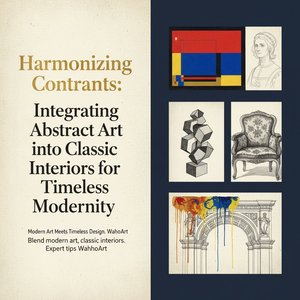
Αρμονία Αντιθέσεων: Ενσωματώνοντας τη Σύγχρονη Τέχνη στους Κλασικούς Χώρους για Διαχρονική Μοντερνικότητα
Ανακαλύψτε πώς να συνδυάσετε αρμονικά τη σύγχρονη τέχνη με την κλασική αρχιτεκτονική. Εμπνευστείτε από συμβουλές ειδικών και δημιουργήστε έναν διαχρονικό χώρο γεμάτο κομψότητα και προσωπικότητα.
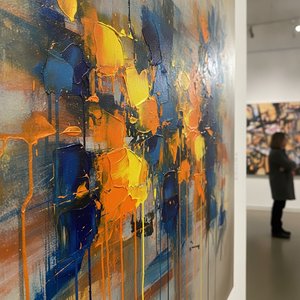
Beyond the Lines: Mastering the High-Impact World of Contemporary Abstraction
Master the high-impact world of contemporary abstraction. Discover how bold colors, textures, and modern movements like Abstract Expressionism can transform your space with premium, high-energy art curated for the design-conscious professional.

Οι 25 Κορυφαίοι Πίνακες του Alfred Munnings: Έμπνευση & Διακόσμηση
Ανακαλύψτε τους 25 κορυφαίους πίνακες του Alfred Munnings! Ιππογραφίες, αγγλικά τοπία & κυνηγετικές σκηνές που αποτυπώνουν την ψυχή της εποχής. Βρείτε αναπαραγωγές υψηλής ποιότητας για να εμπνεύσετε τον χώρο σας. Εξερευνήστε τη συλλογή στο OriginalUniqueArt.com.
