Abstract Expressionism · 1982
Καύκωνες (Γκέρχαρντ Ρίχτερ, 1982)
Το έργο Καύκωνες δημιούργησε ο/η Γκέρχαρντ Ρίχτερ (1932). Χρονολογείται στο 1982. Ανήκει στο κίνημα Abstract Expressionism. Είναι φτιαγμένο σε Άνθρακα και λάδι σε καμβά. Οι διαστάσεις είναι 200 × 206 cm.
- 1982
- Άνθρακα και λάδι σε καμβά
- 200 × 206 cm

 Προεπισκόπηση σε πραγματική κλίμακα

 Ελαιογραφικό Χειροποίητο Έργο
 Αποστολή
 Κοινοποίηση
 Φύλλο πληροφοριών


 Λήψη
 Παρόμοια αντικείμενα συλλογής
 Ακτινογραφία
 Παρουσίαση
 Ερωτήσεις & Απαντήσεις

 Στατιστικά
Καύκωνες, εν συντομία
- Τίτλος
- Καύκωνες
- Καλλιτέχνης
- Γκέρχαρντ Ρίχτερ (1932)
- Γεννημένος/η το
- Δρέσδη, Γερμανία
- Ημερομηνία
- 1982
- Μέσο
- Άνθρακα και λάδι σε καμβά
- Διαστάσεις
- 200 × 206 cm
- Κίνηση
- Abstract Expressionism
- Εποχή
- Σύγχρονη εποχή
- Θέμα
- atmospheric, abstraction, color palette, brushstrokes, texture, landscape
Τι απεικονίζει το Καύκωνες;
A Symphony of Abstraction: Exploring Gerhard Richter’s “Clouds”
Gerhard Richter's 1982 masterpiece, "Clouds," is a pivotal work in contemporary art, embodying his lifelong exploration of the boundaries between representation and abstraction. This large-scale painting isn't merely an image *of* clouds; it’s an investigation into perception, the act of seeing, and the very nature of painting itself. It invites us to question what we expect from a landscape and revel in the pure visual experience.Deconstructing Reality: Style & Technique
“Clouds” exemplifies Richter's unique approach – a masterful blend of abstract expressionism with subtle realism. Measuring 200 x 206 cm, the canvas is awash in layered oil paint, applied with bold strokes, scrapes, and smudges. This isn’t precise rendering; it’s an *evocation* of atmosphere. The technique – often described as a form of blurred photorealism pushed to its abstract limits – creates a sense of depth and movement.- Impasto & Layering: Richter's generous application of paint, visible through the impasto texture, adds physicality and dynamism.
- Color Palette: A vibrant interplay of blues, greens, yellows, reds, and oranges suggests a dynamic sky, perhaps stormy or illuminated by shifting light.
- Gestural Abstraction: The sweeping brushstrokes and blurred forms are not random; they’re carefully constructed to create an immersive visual experience.
Richter's Artistic Journey & Context
Gerhard Richter (born 1932) is a German artist whose career has been defined by stylistic shifts and conceptual rigor. Emerging in the post-war era, he grappled with questions of history, memory, and representation. His work often oscillates between photorealistic paintings – based on photographs – and abstract compositions like “Clouds.” This duality reflects his skepticism towards fixed meanings and a desire to challenge artistic conventions. "Clouds" sits comfortably within this oscillation, playfully disrupting our expectations of what a landscape painting should be. It’s part of a series of cloud paintings Richter created, exploring the ephemeral nature of these atmospheric formations.Symbolism & Emotional Resonance
While seemingly devoid of explicit symbolism, “Clouds” resonates with deeper meanings. The ambiguity inherent in the abstract forms invites individual interpretation. The swirling shapes can evoke feelings of turbulence, vastness, or even a dreamlike state. Richter’s intention wasn't to *tell* us what to feel but to create an experience that allows for personal connection and emotional response. The painting subtly questions our desire to find concrete meaning in art, suggesting instead that we might simply appreciate the beauty of visual pleasure.Legacy & Accessibility
“Clouds” is a significant work within Richter’s oeuvre and modern art history. It has been exhibited at prestigious institutions like the Tate Modern in London and currently resides in the collection of the Museum of Modern Art (MoMA) in New York City, solidifying its importance.- For Collectors: Owning a piece that embodies Richter’s innovative spirit is an investment in art history.
- For Interior Designers: The dynamic composition and vibrant colors of “Clouds” can serve as a striking focal point in any contemporary space, adding depth and sophistication.
- Reproductions Available: Experience the essence of Richter’s genius with high-quality, handmade oil painting reproductions available at OriginalUniqueArt.com.
Further Exploration
Delve deeper into the world of Gerhard Richter and the history of painting with resources like Wikipedia’s History of Painting page. “Clouds” is more than just a painting; it's an invitation to contemplate the power of abstraction, the complexities of perception, and the enduring legacy of one of contemporary art’s most influential figures. Photo Description: --Overall Impression-- The artwork is a large-scale abstract painting divided into two distinct sections. It presents a dynamic and energetic composition characterized by bold brushstrokes, layered colors, and a sense of movement. The style leans towards expressionism with elements of gestural abstraction. The subject matter appears to be an atmospheric depiction of clouds or perhaps a stormy sky, though it’s highly stylized and not representational in a literal sense. The use of lines is prominent – thick, sweeping brushstrokes create diagonal pathways across the canvas, intersecting and overlapping to generate visual complexity. Shapes are largely amorphous and undefined, contributing to the abstract nature of the piece. Textures are heavily emphasized through visible impasto techniques; the paint application is thick and uneven, creating a tactile quality. The lighting appears diffused, suggesting an overcast or atmospheric setting. Perspective is deliberately flattened, lacking traditional depth cues. The color palette is vibrant and layered, with a strong emphasis on blues, greens, yellows, reds, and oranges. Symbolic elements are subtle – the swirling forms could evoke turbulence, energy, or perhaps a dreamlike state. The technique involves wet-on-wet painting, allowing colors to blend and bleed into one another, further enhancing the sense of movement and atmosphere. Materials used appear to be oil paints on canvas.Εικόνες υψηλής ανάλυσης του Καύκωνες

Προστατευόμενο από πνευματικά δικαιώματα: αυτά τα αρχεία προορίζονται για προσωπική χρήση και δεν αποτελούν άδεια αναδημοσίευσης.
Γκέρχαρντ Ρίχτερ, Καύκωνες (1982).
Ερωτήσεις για το Καύκωνες, απαντημένες
Σε ποια χρονική περίοδο δημιουργήθηκε το "Καύκωνες" του Γκέρχαρντ Ρίχτερ;
Το έργο "Καύκωνες" χρονολογείται από το 1982. Η ημερομηνία αυτό το έργο το τοποθετεί μέσα στην καριέρα του/της Γκέρχαρντ Ρίχτερ και την εποχή του/της.
Με ποια τεχνική δημιουργήθηκε το "Καύκωνες" του Γκέρχαρντ Ρίχτερ;
Η τεχνική του έργου "Καύκωνες" του Γκέρχαρντ Ρίχτερ είναι το Άνθρακα και λάδι σε καμβά. Οι αναπαραγωγές στοχεύουν στην πιστή απόδοση της εμφάνισης αυτής της τεχνικής.
Ποια είναι οι πραγματικές διαστάσεις του έργου "Καύκωνες" του Γκέρχαρντ Ρίχτερ;
Οι καταγεγραμμένες διαστάσεις του έργου "Καύκωνες" του Γκέρχαρντ Ρίχτερ είναι 200 x 206 cm. Αναπαραγωγές μπορούν να παραγγηθούν σε άλλες διαστάσεις, διατηρώντας τις ίδιες αναλογίες.
Τι απεικονίζει το "Καύκωνες" του Γκέρχαρντ Ρίχτερ;
Τα θέματα που περιλαμβάνονται στο "Καύκωνες" του Γκέρχαρντ Ρίχτερ περιλαμβάνουν το/τα atmospheric, abstraction, color palette, brushstrokes, texture, landscape, impasto. Μαζί, συνοψίζουν το περιεχόμενο του έργου τέχνης.
Το έργο "Καύκωνες" ανήκει στο δημόσιο περιουσιακό αγαθό;
Το έργο "Καύκωνες" του Γκέρχαρντ Ρίχτερ ανήκει στο ακόμα προστατευόμενο από δικαιώματα αυτορικού. Η κατάσταση αυτή διέπει τον τρόπο με τον οποίο μπορεί να αναπαραχθεί η εικόνα του έργου.
Ποιον καλλιτέχνη αποδίδεται το "Καύκωνες";
Το έργο "Καύκωνες" αποδίδεται στον/στην Γκέρχαρντ Ρίχτερ.
Σε ποιο καλλιτεχνικό ρεύμα ανήκει το "Καύκωνες";
Το έργο "Καύκωνες" του Γκέρχαρντ Ρίχτερ ανήκει στο καλλιτεχνικό κίνημα Abstract Expressionism. Αυτό το κίνημα παρέχει το στυλιστικό πλαίσιο του έργου.
Σε ποια περίοδο της καριέρας του/της Γκέρχαρντ Ρίχτερ ανήκει το "Καύκωνες";
Στο πλαίσιο της καριέρας του/της Γκέρχαρντ Ρίχτερ, το έργο "Καύκωνες" ανήκει στην περίοδο Mature Period. Αυτή η φάση διευκολύνει τη σύγκρισή του με άλλα έργα του/της καλλιτέχνη/της.
Σε τι ηλικία δημιούργησε ο/η Γκέρχαρντ Ρίχτερ το "Καύκωνες";
Ο/Η Γκέρχαρντ Ρίχτερ ήταν 50 ετών όταν δημιούργησε το "Καύκωνες" το 1982. Η ηλικία υπολογίζεται με βάση το έτος γέννησης του καλλιτέχνη, 1932.
Σχετικά με τον καλλιτέχνη, Γκέρχαρντ Ρίχτερ

1932, Γερμανία
Γκέρχαρντ Ρίχτερ
The Early Life of Gerhard Richter Dresden, Germany, 1932. The setting is the Hospital Dresden-Neustadt. Gerhard Richter enters a world defined by the tightening grip of National Socialism. His father, Horst Richter, navigates the academic rigor of the Technische Hochschule in Dresden as a student of mathematics and physics.
Σχετικά με τον Γκέρχαρντ Ρίχτερ Σημαντικά έργα του Γκέρχαρντ Ρίχτερ
Εργασίες του Γκέρχαρντ Ρίχτερ
 Αφηρημένο Καμβά 780-11992
 Αφηρημένη Ζωγραφική 805-4
 Μπέτι1988
 Μονοφόρο1965
Μελέτες για το Καύκωνες
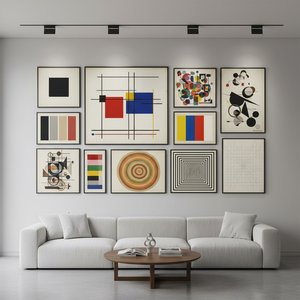 Γεωμετρική Αφαίρεση: 10 Έργα που Άλλαξαν την Τέχνη | OriginalUniqueArt.grΑνακαλύψτε τα 10 κορυφαία έργα της Γεωμετρικής Αφαίρεσης! Μοντριάν, Καντίνσκι & άλλοι. Ιστορίες, τεχνικές και έμπνευση για τη διακόσμηση το…
 20th century German painters20th-century German painters like Max Ernst, Otto Dix, and Gerhard Richter define an era. Find museum-quality reproductions on OriginalUniq…
 Gerhard Richter: A Retrospective on Abstraction, Memory & the Photographic SourceExplore the profound world of Gerhard Richter's abstract paintings. Discover his techniques, influences, and lasting impact on contemporary…