Romantic Industrialization · 1823
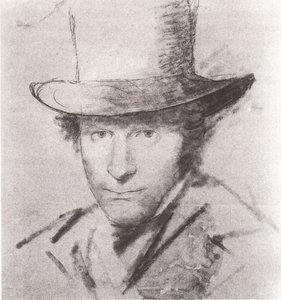
Self-Portrait (Καρλ Μπλέχεν, 1823)
Ο/Η Καρλ Μπλέχεν (1798–1840) δημιούργησε το Self-Portrait. Χρονολογείται στο 1823. Ανήκει στο κίνημα Romantic Industrialization. Είναι φτιαγμένο σε Acrylic. Αποθηκεύεται στο Nationalgalerie στο Βερολίνο, Γερμανία. Οι διαστάσεις είναι 26 × 20 cm.
- 1823
- Acrylic
- 26 × 20 cm
- Nationalgalerie, Βερολίνο

 Προεπισκόπηση σε πραγματική κλίμακα

 Ελαιογραφικό Χειροποίητο Έργο
 Αποστολή
 Κοινοποίηση
 Πληροφοριακό φύλλο


 Λήψη
 Παρόμοια αντικείμενα συλλογής
 Ακτινογραφία
 Παρουσίαση
 Ερωτήσεις & Απαντήσεις

 Στατιστικά
Self-Portrait, εν συντομία
- Τίτλος
- Self-Portrait
- Καλλιτέχνης
- Καρλ Μπλέχεν (1798–1840)
- Γεννημένος/η το
- Κότμπους, Γερμανία
- Ημερομηνία
- 1823
- Μέσο
- Acrylic
- Διαστάσεις
- 26 × 20 cm
- Πού εκτίθεται
- Nationalgalerie, Βερολίνο, Γερμανία
- Θέμα
- self-portrait, landscape painting, romanticism, german art, baroque style, artist’s vision
Τι απεικονίζει το Self-Portrait;
A Visionary Encounter with Industry’s Dawn
- Subject Matter: This striking self-portrait by Carl Blechen captures a contemplative gaze directed downwards, presenting an image of intellectual introspection amidst the burgeoning industrial landscape. The artist's posture exudes seriousness and thoughtfulness—a deliberate contrast to the prevailing Romantic preoccupation with sublime landscapes.
- Style: Blechen’s work exemplifies the Romantic Industrialization movement, marking a pivotal shift away from traditional artistic conventions. While rooted in Romantic ideals of emotion and imagination, he simultaneously confronts the realities of industrial progress with unflinching honesty. The portrait eschews idealized beauty for a psychologically nuanced depiction.
- Technique: Executed in black and white lithograph printing, Blechen skillfully employs tonal gradation to convey depth and texture. Lithography, a relatively new technique at the time, allowed for precise reproductions of detail—a testament to Blechen’s artistic vision and his willingness to experiment with innovative methods.
- Historical Context: Created in 1823, this portrait emerged during a period of intense social and intellectual ferment. The Industrial Revolution was reshaping Europe, prompting artists like Blechen to grapple with questions of modernity, alienation, and the human condition. It reflects a broader artistic dialogue concerning how nature and humanity coexist within an evolving world.
- Symbolism: Beyond its formal representation, the self-portrait carries symbolic weight. The downward gaze suggests introspection and contemplation—a desire to reconcile Romantic idealism with the tangible pressures of industrial society. Furthermore, the suit symbolizes professionalism and social responsibility, mirroring Blechen’s own aspirations as he navigated his artistic career.
Lithograph Printing: A Revolutionary Medium
The choice of lithograph printing was particularly significant for Blechen's time. Unlike oil paints or watercolor—the dominant mediums of the Romantic era—lithography offered unparalleled precision and tonal control. Developed in France during the preceding decade, it allowed artists to achieve photographic realism without resorting to camera obscura techniques. This method ensured that Blechen’s portrait would retain its intricate detail and expressive atmosphere for generations to come.Romantic Industrialization: Bridging Imagination and Reality
Blechen's artistic trajectory represents a fascinating intersection between Romantic idealism and the burgeoning realities of industrialization. While acknowledging the sublime beauty of nature—a hallmark of Romantic art—he simultaneously recognized its vulnerability to encroachment by technological advancements. This duality is powerfully conveyed in his self-portrait, prompting viewers to consider the complexities inherent in reconciling aesthetic ideals with societal transformations.Emotional Resonance: A Portrait of Quiet Contemplation
Ultimately, Blechen’s self-portrait transcends mere visual representation; it communicates a profound emotional resonance. The artist's gaze—directed downwards—suggests a preoccupation with internal reflection and a yearning for understanding amidst the turbulent currents of his era. It invites contemplation on themes of identity, purpose, and the enduring human spirit—a timeless message that continues to captivate audiences today.Σε ποιο μουσείο βρίσκεται το Self-Portrait;
Nationalgalerie
Βερολίνο, Γερμανία
The History of Nationalgalerie Berlin The Nationalgalerie is a component of the Berlin State Museums. Its origins are linked to the collection initially known as the Wagenersche und Nationalgalerie. This foundation provided the basis for a repository dedicated to the art of the 19th, 20th, and 21st centuries.


Εικόνες υψηλής ανάλυσης του Self-Portrait

Δημόσιος τομέας: ο καλλιτέχνης απεβίωσε το 1840.
Άλλες διαστάσεις, καρέττες και αναφορά →Καρλ Μπλέχεν, Self-Portrait (1823), Nationalgalerie. Δημόσιο περιουσιακό δικαίωμα
Ερωτήσεις για το Self-Portrait, απαντημένες
Πού εκτίθεται σήμερα το "Self-Portrait" του Καρλ Μπλέχεν;
Το πρωτότυπο έργο "Self-Portrait" του Καρλ Μπλέχεν βρίσκεται στο Nationalgalerie, Βερολίνο, Γερμανία. Μια αναπαραγωγή σας επιτρέπει να εκθέσετε το έργο στο σπίτι σας.
Σε ποια χρονική περίοδο δημιουργήθηκε το "Self-Portrait" του Καρλ Μπλέχεν;
Το έργο "Self-Portrait" χρονολογείται από το 1823. Η ημερομηνία αυτό το έργο το τοποθετεί μέσα στην καριέρα του/της Καρλ Μπλέχεν και την εποχή του/της.
Με τι τεχνική έχει δημιουργηθεί το "Self-Portrait";
Η τεχνική του έργου "Self-Portrait" του Καρλ Μπλέχεν είναι το Acrylic. Οι αναπαραγωγές στοχεύουν στην πιστή απόδοση της εμφάνισης αυτής της τεχνικής.
Ποια είναι οι πραγματικές διαστάσεις του έργου "Self-Portrait" του Καρλ Μπλέχεν;
Οι διαστάσεις του πρωτότυπου έργου "Self-Portrait" του Καρλ Μπλέχεν είναι 26 x 20 cm.
Περί τι αφορά το "Self-Portrait";
Τα θέματα του "Self-Portrait" είναι τα self-portrait, landscape painting, romanticism, german art, baroque style, artist’s vision, psychological depth.
Μπορεί η εικόνα του έργου "Self-Portrait" του Καρλ Μπλέχεν να αναπαραχθεί ελεύθερα;
Όσον αφορά τα πνευματικά δικαιώματα, το "Self-Portrait" ανήκει στο δημόσιο κτήμα - τα δικαιώματα αυτορության έχουν λήξει.
Ποιος είναι ο καλλιτέχνης πίσω από το "Self-Portrait";
Ο καλλιτέχνης πίσω από το "Self-Portrait" είναι ο/η Καρλ Μπλέχεν. Το έργο καταχωρείται υπό το όνομα του/της Καρλ Μπλέχεν.
Σε ποιο καλλιτεχνικό ρεύμα ανήκει το "Self-Portrait" του Καρλ Μπλέχεν;
Το έργο "Self-Portrait" ανήκει στο καλλιτεχνικό ρεύμα Romantic Industrialization, το οποίο ορίζει την καλλιτεχνική παράδοση στην οποία εντάσσεται.
Σε ποια περίοδο της καριέρας του/της Καρλ Μπλέχεν ανήκει το "Self-Portrait";
Στο πλαίσιο της καριέρας του/της Καρλ Μπλέχεν, το έργο "Self-Portrait" ανήκει στην περίοδο Early Romanticism. Αυτή η φάση διευκολύνει τη σύγκρισή του με άλλα έργα του/της καλλιτέχνη/της.
Σχετικά με τον καλλιτέχνη, Καρλ Μπλέχεν
1798–1840, Γερμανία
Καρλ Μπλέχεν
Ένας Πρωτοπόρος του Ρομαντικού Βιομηχανικού Τοπίου: Η Ζωή και η Τέχνη του Καρλ Μπλέχεν Ο Καρλ Εδουάρδος Φερδινάνδος Μπλέχεν, γεννημένος στην Κότμπους της Γερμανίας το 1798, κατέχει μια μοναδική και συχνά παραβλεπόμενη θέση στην παράδοση της τοπιογραφίας. Η ζωή του σημαδεύτηκε τόσο από την καλλιτεχνική λάμψη όσο και από τον προσωπικό αγώνα, μια δυαδικότητα που διαμόρφωσε βαθιά το συγκινητικό και πρωτοποριακό έργο του. Αρχικά προορισμένος για μια ρεαλιστική καριέρα στην τραπεζική λόγω οικογενειακών οικονομικών δυσκολιών, οι έμφυτες καλλιτεχνικές τάσεις του Μπλέχεν τελικά επικράτησαν. Φοίτησε στην Ακαδημία Τέχνης του Βερολίνου το 1822, ξεκινώντας μια πορεία που θα τον καθιστούσε έναν από τους πρώτους καλλιτέχνες που αντιμετώπισαν τις αισθητικές προκλήσεις –και δυνατότητες– που παρουσίαζε η πρώιμη βιομηχανική επανάσταση.
Εργασίες του Καρλ Μπλέχεν
 Sanssouci Palace1830
 The Interior of the Palm House on the Pfaueninsel Near Potsdam1834
 Tarantella1830
 Afternoon on Capri1829
Μελέτες γύρω από το Self-Portrait
 The Echo of Self: Reflectivity as a Core Theme in Art History & Contemporary PracticeExplore the rich history of self-representation in art, from Renaissance masters to modern innovators. Discover how artists use portraiture…
 The Inner Landscape: Exploring Themes of Introspection in Visual Art Across Movements & ErasExplore the captivating world of introspective art! Discover how artists across eras – from Rembrandt to Kahlo – used self-portraiture to r…
 Romantic Realism's Finest: 10 Masterpieces for Your Home | OriginalUniqueArtExplore 10 defining masterpieces of Romantic Realism! Discover Courbet, Millet & Daumier's powerful paintings—capturing emotion and social …