
 Δείτε σε πραγματικό χώρο
 Αποστολή
 Κοινοποίηση
 Λεπτομέρειες

 Λήψη
Λήψη
 Παρόμοια αντικείμενα συλλογής
 Ακτινογραφία
 Παρουσίαση
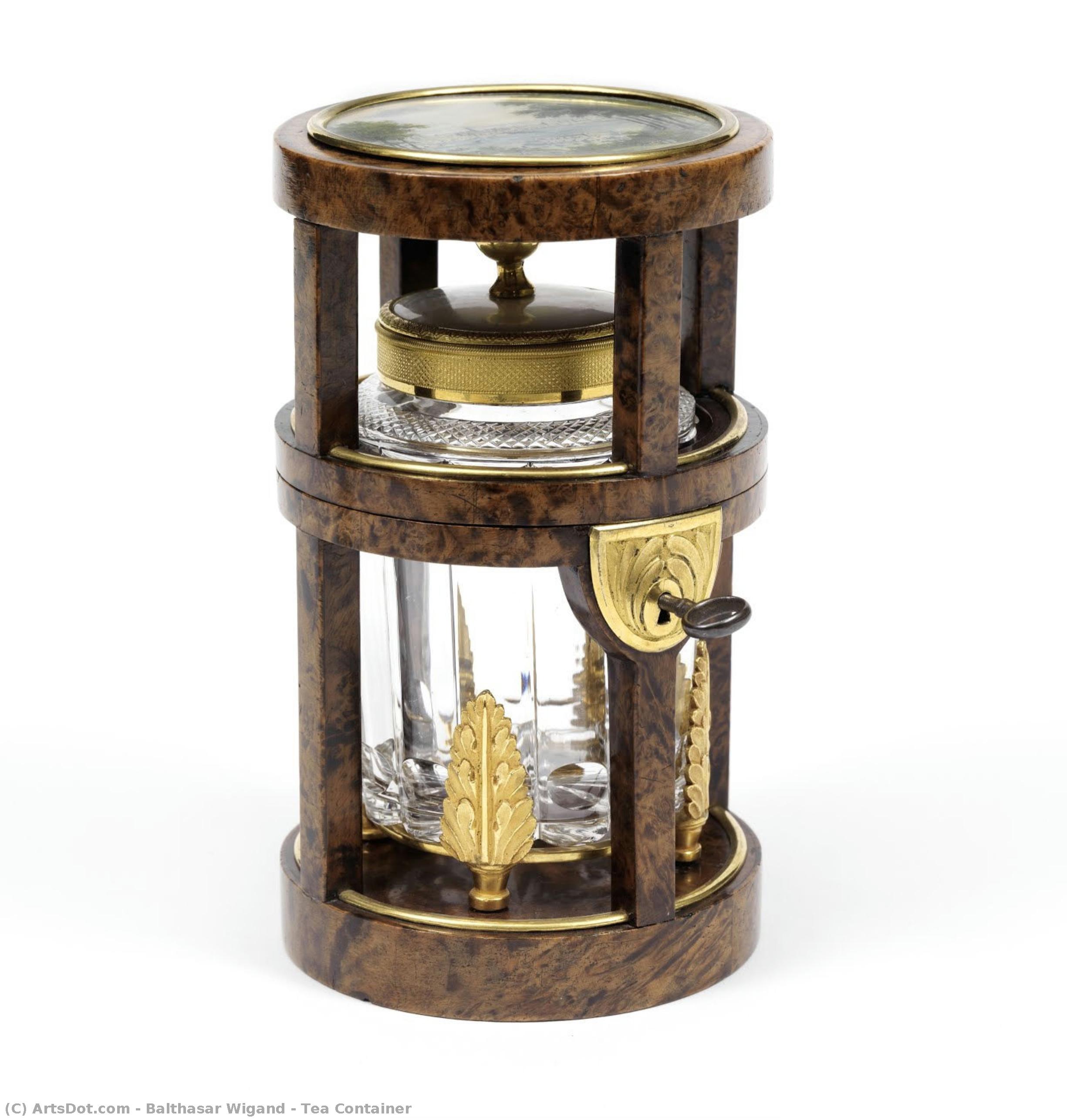
Κουβά Τσαγιού


 Διαβάστε περισσότερα
Χειροποίητη Αναπαραγωγή σε Έλαιο
Χειροποίητη oil painting σε καμβά στο δικό σας μέγεθος και πλαίσιο, κατά παραγγελία από τους καλλιτέχνες μας. ( Αγορά εκτύπωσης Αγορά ψηφιακής εικόνας)




P118B $10

P118H $10

P118W $10

P438Z $10

P508JH $12

P508YH $12

P805H $10

P805Z $10

P919BZ $10

P919G $10

P919XJ $10

P959ZH $10

P968JZ $12

W106C $8

W218G $10

W218JH $8

W218Y $10

W307PJ $10

W316G $10

W316PJ $8

W316Y $10

W398PJ $8

W4111J $10

W500HY $15

W500JH $15

W692G $12

W849H $8

W940BG $15

W953PJ $8




Επιλέξτε από τις προκαθορισμένες διαστάσεις μας που διατηρούν τις αρχικές αναλογίες του έργου τέχνης.

Μπορείτε να ορίσετε δικές σας διαστάσεις ώστε το έργο να ταιριάζει σε ένα συγκεκριμένο πλαίσιο ή χώρο. Εάν το επιλεγμένο μέγεθος δεν συμπίπτει με τις αναλογίες της αρχικής εικόνας, θα περικοψούμε το έργο ή θα επεκτείνουμε τη ζωγραφιά με πρόσθετα χειρόγραφα στοιχεία. Ένα ψηφιακό προσχέδιο θα σας αποσταλεί για έγκριση πριν την έναρξη της παραγωγής.
Παρακαλούμε σημειώστε ότι η προεπισκόπηση στην οθόνη δεν αντικατοπτρίζει την πραγματική περικοπή ή επέκταση. Μόνο το προσχέδιο θα δείξει με ακρίβεια την τελική σύνθεση.
Παρόλο που είναι διαθέσιμα προσαρμοσμένα μεγέθη, συνιστούμε να επιλέξετε μια διάσταση από τη λίστα των προκαθορισμένων μεγεθών για τη διατήρηση των αρχικών αναλογιών.
Μετά την παραγγελία, η ομάδα του OriginalUniqueArt.com θα στείλει email στον πελάτη με οδηγίες και θα παρέχει μια προεπισκόπηση προσχεδίου
Παγκόσμια Αποστολή () σε 3-4 εβδομάδες αντί για τις συνήθεις 5 εβδομάδες. (19 Αύγουστος). Χωρίς συμβιβασμούς στην ποιότητα.

Δωρεάν γρήγορη διεθνής αποστολή

Κάμβας από Λινό Υψηλής Ποιότητας

Πλήρης ασφάλιση μεταφοράς

Εγγύηση Επιστροφής Δασμών και Φόρων

Εγγύηση Απόλυτης Ομοιότητας Χρωμάτων

Πολιτική Επιστροφής 60 Ημερών (Μόνο σε περίπτωση ελαττωμάτων)

Εγγύηση επιστροφής 100% των χρημάτων

Προσφορά για μαζικές παραγγελίες
 Η επιλογή με γυαλί είναι διαθέσιμη μόνο για μεγέθη κάτω από 110 εκ.

Κουβά Τσαγιού
Μέσο Αναπαραγωγής
Διαστάσεις Αναπαραγωγής
-


Συνολική Τιμή
$ 300
Περιγραφή Έργου
Ένα Μικρό Κομμάτι Ιστορίας και Τέχνης: Η Κούπα Τσαγιού του Βαλθασαρ Ούιγκαν
Η κούπα τσαγιού που απεικονίζεται στο έργο είναι ένα παράδειγμα της εξαιρετικής δεξιοτεχνίας του Βαλθασαρ Ούιγκαν και μια εντυπωσιακή ματιά στην τέχνη του πρώτου αιώνα ΕΚΑΤΕΡΙΝΗΣ στην Αυστρία. Δημιουργημένη το 1820, η κούπα τσαγιού αποτελεί ένα μικρό κομμάτι ιστορίας και τέχνης που εκτίθεται στο Μουσείο Εφαρμοσμένων Τεχνών Βιέννης και είναι μια πραγματική αναγνώριση της προσπάθειας του Ούιγκαν να αποτυπώσει την ομορφιά της αρχαίας ελληνικής κουλτούρας με τον πιο λεπτομερή τρόπο. Η εικόνα παρουσιάζει μια μικρή ποσότητα τσαγιού σε ένα ξύλινο δοχείο με χρυσό πλαίσιο και γυάλινη κορυφή που προσδίδει ιδιαίτερη αισθητική αξία στο έργο. Η τεχνική του Ούιγκαν ήταν ιδιαίτερα προσεκτική και απαιτούσε μεγάλη υπομονή και ακρίβεια. Ο καλλιτέχνης χρησιμοποιούσε τη γουότς ως μέσο ζωγραφικής, μια τεχνική που είναι γνωστή για την πυκνή της υφή και την δυνατότητα αναπαραγωγής λεπτομερειών με εξαιρετική πιστότητα. Η γουότς ήταν ιδιαίτερα δημοφιλής στην εποχή του Ούιγκαν καθώς επιτρέπεται η δημιουργία έργων υψηλής ποιότητας που διατηρούν την αρχική ομορφιά και τον χαρακτήρα του πρωτοτύπου. Επιπλέον, η χρήση του γυάλου στην κορυφή της κούπας συμβολίζει τη διαφάνεια και την καθαρότητα των ιδεών του Ούιγκαν και την προσπάθειά του να αποτυπώσει την αρμονία και την τάξη του αρχαίου κόσμου. Η ιστορική αναφορά στο έργο είναι σημαντική καθώς αντικρίζουμε μια εποχή όπου η αναγνώριση της αρχαιότητας ήταν ιδιαίτερα έντονη στην Ευρώπη και οι καλλιτέχνες επιδίωκαν να αποτυπώσουν την ομορφιά των κλασικών μνημάτων με τον πιο πιστό τρόπο. Η αναπαραγωγή του Μουσείου Εφαρμοσμένων Τεχνών Βιέννης είναι μια ευκαιρία να παρακολουθήσουμε ένα έργο τέχνης που έχει διατηρηθεί στην ιστορία και να εκτιμήσουμε την αφοσίωση του Ούιγκαν στην τέχνη και στην ιστορική αναπαράσταση. Η κούπα τσαγιού δεν είναι απλώς ένα αντικείμενο καθημερινής ζωής αλλά μια ματιά στην καλλιτεχνική σκέψη μιας εποχής που άφησε ανεξίτηλα το στίγμα της στην ιστορία της τέχνης και του πολιτισμού.Βιογραφία Καλλιτέχνη
John Henning: The Sculptor of Miniature Wonders
John Henning (1771–1851) wasn’t a name etched in the annals of grand historical sculpture, yet his legacy resides in an astonishing feat of artistic dedication and meticulous detail. Born in Paisley, Scotland, into a family rooted in carpentry, Henning’s journey from craftsman to miniature master is a testament to his singular vision and unwavering commitment. He didn't seek fame through monumental works; instead, he dedicated twelve years to painstakingly recreating the iconic Parthenon and Bassae friezes – colossal marble panels depicting scenes of ancient Greek life – on a scale that defied belief: tiny replicas just two inches high yet stretching over twenty-four feet in length. This remarkable achievement offers a unique window into the artistic sensibilities of early 19th-century Britain, revealing a fascination with classical antiquity and a burgeoning interest in accurate reproduction.
Henning’s early life provided a solid foundation for his future endeavors. Trained by his father, he initially honed his skills as a carpenter, developing an appreciation for the properties of wood and its potential for intricate detail. It was through portraiture that he truly discovered his artistic voice, creating cameos of friends and family that showcased his burgeoning talent for capturing likenesses with remarkable precision. This early success paved the way for him to pursue more ambitious projects, ultimately leading him to the monumental task of replicating the ancient friezes.
The Inspiration: Elgin’s Marbles and a Royal Patron
The catalyst for Henning's extraordinary undertaking was his encounter with the newly arrived Parthenon marbles in Burlington House. Witnessing these fragments of classical history, he became captivated by their beauty and complexity. Crucially, he secured permission from Lord Elgin to study and draw them, an opportunity that proved invaluable. It was during this period that Henning conceived the idea of using his drawings as a basis for creating slate molds – miniature versions capable of producing remarkably detailed replicas. This innovative approach, combined with the patronage of Princess Charlotte, provided him with the resources and encouragement he needed to embark on his ambitious project.
The Princess’s interest in Henning's work stemmed from her own fascination with classical art and literature. She commissioned a medallion portrait of the sculptor himself, an event that not only boosted his confidence but also exposed him to a wider circle of influential figures. This royal connection undoubtedly played a significant role in securing funding and recognition for his extraordinary endeavor.
The Process: A Labor of Love
Henning’s process was nothing short of obsessive. He meticulously studied the original friezes, painstakingly recreating every detail – from the folds of drapery to the expressions on the faces of the figures. He utilized a complex system of slate molds, each requiring countless iterations and adjustments to achieve the desired level of accuracy. The sheer scale of the project demanded immense patience and unwavering dedication; it was a labor of love that consumed his life for twelve years. His work wasn’t simply copying; he aimed to recreate the essence of the originals, capturing their spirit and grandeur in miniature.
Interestingly, Henning didn't attempt to copyright his creations, recognizing the impossibility of protecting the work of long-dead artists. This reflects a broader attitude towards artistic ownership during that era, where inspiration and imitation were often seen as integral parts of the creative process. The Bassae frieze, added later to the project, further extended this period of intense dedication.
Legacy and Significance
John Henning’s miniature replicas of the Parthenon and Bassae friezes represent a remarkable achievement in the history of art reproduction. They demonstrate not only his exceptional technical skill but also his deep appreciation for classical antiquity. His work influenced subsequent generations of artists and craftsmen, contributing to the development of techniques for accurate reproduction and inspiring a renewed interest in ancient Greek culture. While he may not be as widely celebrated as some of his contemporaries, Henning’s legacy endures through these exquisite miniature masterpieces – tangible testaments to his dedication, ingenuity, and profound respect for the past.
Today, fragments of these remarkable creations can be viewed at the Musée du Louvre in Paris. They stand as a poignant reminder of a solitary artist who dedicated his life to capturing the beauty and grandeur of ancient Greece on a scale that defied imagination.

balthasar wigand
1771 - 1846 , Austria
Γρήγορα στοιχεία
- Artistic Movement Or Style: Sculpture, Miniatures
- Artists Who Influenced This Artist: ['None],\n "Artists or movements influenced by this artist": [None']
- Date Of Birth: 1771
- Date Of Death: 1851
- Full Name: John Henning
- Nationality: Scottish
- Notable Artworks:
- Parthenon frieze
- Bassae frieze
- Place Of Birth: Paisley, Scotland
Σχετικά άρθρα
The Enduring Legacy of Classicism: Principles, Evolution & Influence in Western Art
Explore the enduring legacy of Classicism in Western art! Discover its historical context, key principles, iconic masterpieces & lasting influence. Learn about Renaissance and Neoclassical movements with OriginalUniqueArt.
Οι 10 Κορυφαίοι Δασκάλλοι του Νεοκλασικισμού: Έργα Τέχνης που Εμπνέουν Διαχρονικά
Ανακαλύψτε τους 10 κορυφαίους πίνακες και γλυπτά του Νεοκλασικισμού! Μάθετε για τον Jacques-Louis David, Ingres & Canova. Βρείτε αναπαραγωγές υψηλής ποιότητας για να εμπνεύσετε τη διακόσμηση σας. Εξερευνήστε την πλήρη συλλογή στο OriginalUniqueArt.com
Timeless Resonance: Exploring Classic Vibe in Art – A Historical & Aesthetic Analysis
Explore the rich history & enduring aesthetic of Classicism art! Discover key movements, iconic artists like Raphael & David, and its lasting influence on Western art. Deepen your appreciation today.
The Enduring Legacy of Classical Style: Form, Narrative & Influence in Art
Explore the enduring legacy of classical art – from ancient Greece & Rome to Neoclassicism. Discover key artists, philosophical roots & build a timeless collection with OriginalUniqueArt's expert guidance.
The Enduring Echo of Antiquity: Classical Ideals in Art from Renaissance to Modernism
Explore the lasting impact of classical ideals on art from the Renaissance to Modernism. Discover key movements, iconic artists & find museum-quality reproductions at OriginalUniqueArt.


