Προεπισκόπηση
 Αποστολή
 Κοινοποίηση
 Λεπτομέρειες
 Οδηγός

 Λήψη
Λήψη
 Παρόμοια αντικείμενα συλλογής
 Ακτινογραφία
 Παρουσίαση
 Στατιστικά
Parnassus (study)


 Περισσότερα λεπτομέρεια
Giclée / Εκτυπώσεις Τέχνης
Εκτύπωση giclée ή σε καμβά ποιότητας μουσείου με γρήγορη παραγωγή και ευέλικτες επιλογές φινιρίσματος. ( Αγορά χειροποίητου πίνακα Μετάβαση σε Ψηφιακή Εικόνα)




P118B €10

P118H €10

P118W €10

P438Z €10

P508JH €12

P508YH €12

P805H €10

P805Z €10

P919BZ €10

P919G €10

P919XJ €10

P959ZH €10

P968JZ €12

W106C €8

W218G €10

W218JH €8

W218Y €10

W307PJ €10

W316G €10

W316PJ €8

W316Y €10

W398PJ €8

W4111J €10

W500HY €15

W500JH €15

W692G €12

W849H €8

W940BG €15

W953PJ €8




Επιλέξτε από τις προκαθορισμένες διαστάσεις μας που διατηρούν τις αρχικές αναλογίες του έργου τέχνης.

Πληκτρολογήστε το πλάτος και το ύψος που επιθυμείτε, ώστε να ταιριάζουν στο κάδሮ ή στον τοίχο σας. Μια εκτύπωση μπορεί μόνο να κοπεί και ποτέ να μην γίνει μεγαλύτερη από την εικόνα, επομένως ένα μέγεθος με διαφορετικό σχήμα συνεπάγεται απώλεια ενός μέρους της εικόνας. Σας στέλνουμε ένα ψηφιακό mockup για έγκριση πριν εκτυπώσουμε οτιδήποτε. Η εικόνα που εμφανίζεται σε αυτή τη σελίδα δεν δείχνει την πραγματική κοπή — μόνο το mockup την παρουσιάζει.
Παγκόσμια Αποστολή () σε 2 εβδομάδες αντί για τις συνήθεις 4/5 εβδομάδες. (23 Οκτώβριος)

Δωρεάν γρήγορη διεθνής αποστολή

Κάμβας από Λινό Υψηλής Ποιότητας

Πλήρης ασφάλιση μεταφοράς

Εγγύηση επιστροφής δασμών και φόρων εισαγωγής

Εγγύηση Απόλυτης Ομοιότητας Χρωμάτων

Πολιτική Επιστροφής 100 Ημερών (Μόνο σε περίπτωση ελαττωμάτων)

Εγγύηση επιστροφής 100% των χρημάτων

Έκπτωση για πολλαπλές παραγγελίες
 Η επιλογή με γυαλί είναι διαθέσιμη μόνο για μεγέθη κάτω από 110 εκ.

Parnassus (study)
Giclée / Εκτυπώσεις Τέχνης
Διαστάσεις Αναπαραγωγής
-


Συνολικό Κόστος
€ 70
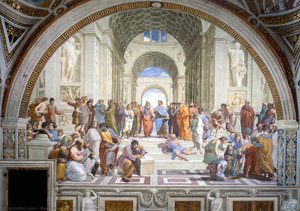
A Glimpse of Enlightenment: Anton Raphael Mengs’ “Parnassus (Study)”
Anton Raphael Mengs' "Parnassus (Study)," painted in 1760, isn’t merely a depiction of a classical scene; it’s a carefully constructed meditation on knowledge, aspiration, and the burgeoning spirit of Neoclassicism. This intimate study, far removed from the grand scale of his later frescoes, offers an unparalleled intimacy with Mengs' artistic process – a rare opportunity to witness the genesis of a masterpiece. The painting captures a gathering around a statue of Apollo, the mythical patron of the arts and sciences, surrounded by figures engaged in various intellectual pursuits. It’s a tableau vivant, brimming with quiet contemplation and subtle gestures that speak volumes about the era’s fascination with reviving classical ideals.
The Neoclassical Composition: Harmony and Restraint
Mengs' style here is distinctly Neoclassical, reflecting the artistic currents of 18th-century Europe. He meticulously adheres to the principles established by artists like Raphael and Michelangelo – a commitment to clarity, balance, and idealized forms. The composition is remarkably ordered; figures are arranged with deliberate precision, creating a sense of harmonious equilibrium. Note the careful use of light and shadow, which sculpts the forms and directs the viewer’s eye across the scene. The muted palette—dominated by earthy tones of ochre, brown, and grey—further enhances the painting's sense of restraint and intellectual seriousness. The background is deliberately vague, emphasizing the figures themselves and drawing attention to their interactions.
- Apollo’s Centrality: The statue of Apollo serves as the undeniable focal point, radiating an aura of authority and wisdom.
- The Muses' Presence: Flanking Apollo are the nine Muses, each embodying a different artistic discipline – poetry, music, dance, etc. Their graceful poses and attentive gazes suggest their role as guides and inspiration for the assembled scholars.
- Diverse Figures: The gathering includes philosophers, poets, musicians, and artists, representing the breadth of intellectual pursuits valued during this period.
Symbolism Woven into Detail: Bananas and Beyond
Beyond the obvious references to classical mythology and philosophy, “Parnassus (Study)” is rich in subtle symbolism. The inclusion of two bananas – a rather unexpected detail – has sparked considerable debate among art historians. Some interpret them as representing the fruits of knowledge, while others see them as a playful nod to contemporary trends or even a commentary on the fleeting nature of beauty and pleasure. The bowl on the table, filled with fruit, reinforces this theme of abundance and nourishment for the mind. The careful placement of each object contributes to the painting’s layered meaning, inviting viewers to engage in a deeper interpretation.
A Window into Mengs' Process: Intimacy and Reflection
What truly distinguishes “Parnassus (Study)” is its intimate scale and evident preparatory nature. It’s not a finished masterpiece but rather a study, a glimpse into Mengs’ creative process. The brushstrokes are visible, revealing the artist's hand at work – a testament to his dedication and meticulous attention to detail. The painting exudes a sense of quiet reflection, suggesting that Mengs was not simply documenting a scene but grappling with fundamental questions about art, knowledge, and the role of the individual within society. It’s a poignant reminder that even in grand artistic endeavors, the most profound insights often emerge from moments of focused contemplation.
Reproductions of “Parnassus (Study)” offer a remarkable opportunity to bring this captivating artwork into your home or office. Each carefully crafted reproduction captures the painting's nuanced details and evocative atmosphere, allowing you to appreciate Mengs’ genius for generations to come.
Ερωτήσεις & Απαντήσεις
Πότε δημιουργήθηκε το "Parnassus (study)" και σε ποιο καλλιτεχνικό ρεύμα ανήκει;
Το έργο "Parnassus (study)" δημιουργήθηκε το 1760, στο πλαίσιο της καλλιτεχνικής καμπάνιας του Neoclassical.
Πώς συνδυάζονται το υλικό και η κίνηση στο "Parnassus (study)";
Στο "Parnassus (study)", η τεχνική του Acrylic On Canvas συναντά το έργο της καλλιτεχνικής κίνησης Neoclassical.
Ποια είναι η φωτεινότητα του έργου "Parnassus (study)" του Άντον Ραφαήλ Μένγκς;
Το έργο "Parnassus (study)" του Άντον Ραφαήλ Μένγκς έχει φωτεινότητα Soft Shadow. Η φωτεινότητα περιγράφει το πόσο φως φαίνεται να αντανακλούν τα χρώματα.
Βιογραφικό Καλλιτέχνη
Μια Γέφυρα Μεταξύ Κόσμων: Η Ζωή και η Τέχνη του Άντον Ραφαήλ Μένγκς
Ο Άντον Ραφαήλ Μένγκς εμφανίστηκε κατά μια συναρπαστική περίοδο στην ευρωπαϊκή τέχνη, μια εποχή όπου οι στολισμένες πολυτελείς του Ροκοκό άρχισαν να υποχωρούν μπροστά σε μια ανανεωμένη εκτίηση των κλασικών ιδεών. Γεννημένος το 1728 στο Ústí nad Labem της Βοημίας – μια περιοχή που σήμερα ανήκει στην Τσεχία – το καλλιτεχνικό του ταξίδι διαμορφώθηκε βαθιά τόσο από την καταγωγή του όσο και από τα πνευματικά ρεύματα του Διαφωτισμού. Ο πατέρας του, ο Ismael Mengs, ένας Δανός ζωγράφος που βρήκε προστάτες στο двореιό της Δρέσδης, αναγνώρισε νωρίς το εξαιρετικό ταλέντο του νεαρού Άντον. Αυτή η αναγνώριση οδήγησε σε μια καθοριστική μετακίνηση το 1741: τη μετακόμιση στη Ρώμη, όπου ο αναδυόμενος καλλιτέχνης βυθίστηκε στη μελέτη αρχαίων αριστουργημάτων και των έργων μεγάλων δασκάλων της Αναγέννησης, όπως ο Ραφαήλ. Αυτή η έκθεση στις κλασικές μορφές θα σφραγίσει αδιάσπαστα τις αισθητικές του αισθήσεις, εμφυτεύοντας σε αυτόν έναν βαθύ σεβασμό για την κλασική μορφή, τη σαφήνεια και τη σύνθεση – ποιότητες που θα γίνονταν χαρακτηριστικά του ώριμου στυλ του. Τα πρώτα χρόνια ήταν αφιερωμένα στην προσεκτική αντιγραφή, όχι απλώς ως άσκηση τεχνικής, αλλά ως μια βαθιά πράξη καλλιτεχνικού προσκυνήματος, απορροφώντας την ουσία του ιδιοφυΐας του Ραφαήλ.Από τη Δρέσδη έως τη Μαδρίτη: Μια Καριέρα σε Ευρωπαϊκά Περιβάλλοντα
Η καριέρα του Μένγκς ξετύπασε σε αρκετά σημαντικά ευρωπαϊκά πρωτοπορίατα αυλακιά, με το καθένα να αφήνει το μοναδικό του αποτύπωμα στην καλλιτεχνική του εξέλιξη. Το 1749, εξασφάλισε μια προ\}}\prestigious θέση ως ζωγράφος της αυλής του Φρεντέρικ Αυγούστου, Εκλέκτο της Σαξονίας, έναν ρόλο που του προσέφερε τόσο οικονομική σταθερότητα όσο και την ελευθερία να διατηρήσει μια βάση στη Ρώμη – το επίκεντρο της καλλιτεχνικής του έμπνευσης. Ωστόσο, ήταν τα φρέσκοκο που πραγματικά καθιέρωσαν τη φήμη του. Ο «Παρνασσός» στη Villa Albani στη Ρώμη, ολοκληρωμένος γύρω στο 1761, έγινε αμέσως αισθητή, αποκορύδωση της αρμονικής σύνθεσης, των κομψών μορφών και μιας λεπτής αλλά ισχυρής αναπαράστασης της κλασικής μυθολογίας. Αυτό το έργο δεν ήταν απλώς μια διακοσμητική λεπτομέρεια· ήταν μια δήλωση – μια σκόπιμη προσπάθεια να συνθέσει τη μπαρόκ μεγαλοπρέπεια με τις αναδυόμενες νεοκλασικές αρχές. Ακολούθησαν περαιτέρω παραγγελίες, συμπεριλαμβανομένου του εντυπωσιακού φρέσκο που διακοσμούσε την θόλο της εκκλησίας Sant'Eusebio στη Ρώμη, αναδεικνύοντας την αρτιότητα του στην μονουμενταльную διακόσμηση και τον χωρικό ψευδαισθησμό. Ίσως η πιο φιλόδοξη προσπάθειά του ήρθε με μια πρόσκληση από την ισπανική αυλή το 1761. Ταξίδεψε στη Μαδρίτη, όπου του ανατέθηκε η διακόσμηση αρκεμένων βασιλικών παλατιών, κορύφτωσαν από την εντυπωσιακή οροφή της Αίθουσας Πανηγύριων του Βασιλικού Παλατίου – ένα έργο που θεωρείται ανάμεσα στις κορυφαίες επιδόσεις του, αποδεικνύοντας μια αξιοθαύμαστη ικανότητα να αναμιγνύει την ιταλική κομψότητα με τις ισπανικές αισθήσεις.Η Σύνδεση με τον Winckelmann: Διαμόρφωση της Νεοκλασικής Σκέψης
Η καλλιτεχνική εξέλιξη του Μένγκς δεν καθοδητούνταν μόνο από την οπτική μελέτη· ήταν βαθιά συνδεδεμένη με τον πνευjąματικό διάλογο. Ένα κρίσιμο σημείο καμπής ήρθε με τη στενή φιλία και συνεργασία του με τον Johann Joachim Winckelmann, τον πρωτοπόρο ιστορικό της τέχνης, των οποίων τα συγγράμματα θα γίνονταν θεμελιώδη για την κίνηση του Νεοκλασικισμού. Ο Winckelmann υποστήριξε την επιστροφή στην αίσθηση της καθαρότητας και της απλότητας της αρχαίας ελληνικής τέχνης, προτείνοντας μια αισθητική βασισμένη στον λόγο, την τάξη και τις ιδεαλοποιημένες μορφές. Ο Μένγκς δεν απλώς αποδίδει θεωρίες του Winckelmann· συμμετείχε ενεργά στη διαμόρφωσή τους, μετατρέποντας αφηρημένες έννοιες σε αισθητές καλλιτεχνικές εκφράσεις. Μαζί πίστευαν ότι η πραγματική ομορφιά δεν κατοικεί στην επιφανειακή στολιδιά, αλλά στις θεμελιώδεις αρχές της αρμονίας και της αναλογίας που βρίσκονται στην κλασική αρχαιότητα. Αυτή η συνεργασία επεκτάθηκε πέρα από τις θεωρητικές συζητήσεις· εκδηλώθηκε στα ίδια τα έργα του Μένγκς, τα οποία αντικατοπτρίζουν ολοένα και περισσότερο την έμφαση του Winckelmann στην ευγενή απλότητα και τον συγκρατημένο συναισθηματισμό. Η επιρροή ήταν αμφίδρομη: τα συγγράμματα του Winckelmann παρείχαν ένα φιλοσοφικό πλαίσιο για τις καλλιτεχνικές προσπάθειες του Μένγκς, ενώ η τέχνη του Μένγκς λειτούργησε ως οπτική απόδειξη της εφικτότητας – και της ομορφιάς – των νεοκλασικών ιδεών.Κληρονομιά και Επιρροή: Ένας Πρωτοπόρος της Εποχής του
Ο Άντον Ραφαήλ Μένγκς πέθανε στη Ρώμη το 1779, αφήνοντας πίσω του μια κληρονομιά που ξεπερνούσε πολύ το εντυπωσιακό έργο του. Ήταν κάτι παραπάνω από έναν απλό ζωγράφο· ήταν μια καθοριστική προσωπικότητα στη μετάβαση από μια καλλιτεχνική εποχή στην άλλη. Παρόλο που ριζωμένος στην μπαρόκ παράδοση – όπως φαίνεται στη δραματική χρήση του φωτός και της σκιάς και στην αρτιότητα των ψευδαισθητικών τεχνικών του – ο Μένγκς ασαφώς υιοθέτησε τις αναδυόμενες αρχές του Νεοκλασικισμού, ανοίγοντας τον δρόμο για καλλιτέχνες όπως ο Jacques-Louis David και ο Antonio Canova. Η έμφασή του στις κλασικές ιδέες, σε συνδυασμό με την τεχνική του δεξιοτεχνία, τον καθιέρωσε ως μια ηγετική δύναμη στη διαμόρφωση της τέχνης του 18ου αιώνα. Η «Ακαδημία της Αθήνας», ζωγραφισμένη για τον Δούκα του Northumberland, αποτελεί μαρτυρία της ικανότητάς του να συνθέτει το ιστορικό πρότυπο με τις σύγχρονες καλλιτεχνικές αισθήσεις. Πέρα από τα έργα του, η επιρροή του Μένγκς εκτείνεται και στην εκπαίδευση· υπηρέτησε ως διευθυντής της Σχολής Ζωγραφικής του Βατικανού, καλλιεργώντας μια νέα γενιά καλλιτεχνών εμβαδύμενων στις κλασικές αρχές. Ήταν μια σύνθετη προσωπικότητα – ένας αφοσιωμένος Καθολικός που ταυτόχρονα συμμετείχε στο πνεύμα του Διαφωτισμού, ένας καλλιτέχνης που ισορρόπησε την παράδοση με την καινοτομία. Η ζωή και το έργο του αντιπροσωπεύουν μια συναρπαστική τομή καλλιτεχνικής δεξιοτεχνίας, πνευματικής περιέργειας και ιστορικών συνθηκών, εδραιώνοντας τη θέση του ως αληθινός πρωτοπόρος της Νεοκλασικής τέχνης. Η επίδρασή του αντηχεί ακόμα και σήμερα, υπενθυμίζοντάς μας την αδιάλειπτη δύναμη των κλασικών ιδεών να εμπνεύουν και να μεταμορφώνουν την καλλιτεχνική έκφραση.
Άντον Ραφαήλ Μένγκς
1728 - 1779 , Τσεχία
Στοιχεία καλλιτέχνη
- Artistic Movement Or Style: Νεοκλασικισμός
- Artists Or Movements Influenced By This Artist: ['Ντεϊξτενχόλντ']
- Artists Who Influenced This Artist:
- Ραφαήλ
- Τιτσιάν
- Date Of Birth: 12 Μαρτίου 1728
- Date Of Death: 29 Ιουνίου 1779
- Full Name: Anton Raphael Mengs
- Nationality: Γερμανός
- Notable Artworks:
- Το Όνειρο του Ιωσούφ
- Η Παρνασσός
- Place Of Birth: Ústí nad Labem, Τσεχία
Σχετικά άρθρα
The Timeless Elegance of Academic Classicism: A Journey Through Order, Precision, and the Pursuit of Perfection
Explore the profound beauty of Academic Classicism. Discover how masters used order, precision, and classical ideals to achieve timeless perfection in art history, from Neoclassical portraits to the pursuit of ideal beauty.
The Enduring Legacy of Classicism: Principles, Evolution & Influence in Western Art
Explore the enduring legacy of Classicism in Western art! Discover its historical context, key principles, iconic masterpieces & lasting influence. Learn about Renaissance and Neoclassical movements with OriginalUniqueArt.

Neoclassical Art: The Ultimate Guide to Timeless Power, Precision, and the Classical Ideal
Master the elegance of Neoclassical art with our expert guide. Explore the transition from Rococo to classical order, discover legendary masters, and learn how to bring timeless Greco-Roman precision and grandeur into your modern collection through premium hand-painted reproductions.

Οι 10 Κορυφαίοι Δασκάλλοι του Νεοκλασικισμού: Έργα Τέχνης που Εμπνέουν Διαχρονικά
Ανακαλύψτε τους 10 κορυφαίους πίνακες και γλυπτά του Νεοκλασικισμού! Μάθετε για τον Jacques-Louis David, Ingres & Canova. Βρείτε αναπαραγωγές υψηλής ποιότητας για να εμπνεύσετε τη διακόσμηση σας. Εξερευνήστε την πλήρη συλλογή στο OriginalUniqueArt.com

Neoclassical Art: The Timeless Elegance of Order, Virtue, and Classical Grace
Explore the profound elegance of Neoclassical art. Discover the principles of order, symmetry, and virtue through the works of masters like David and Mengs. Immerse yourself in a journey of classical grace and timeless aesthetic perfection.