

 Προεπισκόπηση
 Αποστολή
 Κοινοποίηση
 Λεπτομέρειες
 Οδηγός

 Λήψη
Λήψη
 Παρόμοια αντικείμενα συλλογής
 Ακτινογραφία
 Παρουσίαση
 Στατιστικά
Λευκός
 Ακρυλικά σε καμβά
- Εκθέσιμα Έργα Τέχνης
- Abstract Expressionism
 Galleria Civica di Arte Moderna e Contemporanea Torino
 Περισσότερα λεπτομέρεια
Το έργο τέχνης που εμφανίζεται σε αυτή τη σελίδα προστατεύεται από τους νόμους περί πνευματικών δικαιωμάτων, γεγονός που σημαίνει ότι δεν μπορούμε νομικά να δημιουργήσουμε ή να πουλήσουμε μια ταυτόσημη αναπαραγωγή του. Αυτή η προστασία επιβάλλεται βάσει διεθνών συμφωνιών, όπως η Σύμβαση της Βέρνης καθώς και από τους εθνικούς νόμους, συμπεριλαμβανομένων αυτών που ορίζονται από το Νομοθεσία περί πνευματικών δικαιωμάτων των ΗΠΑ - Τίτλος 17. Όλα τα δικαιώματα κατοχυρωμένα. Απαγορεύεται η αναπαραγωγή χωρίς άδεια.
Αυτή η μέθοδος συμμορφώνεται πλήρως με τους κανονισμούς περί πνευματικών δικαιωμάτων, καθώς δεν περιλαμβάνει την αντιγραφή ή την αναπαραγωγή του προστατευόμενου έργου. Αντίθετα, πρόκειται για μια δημιουργική ερμηνεία — ένα νέο έργο που επηρεάζεται από το πρωτότυπο, χωρίς όμως να είναι πανομοιότυπο με αυτό.
Giclée / Εκτυπώσεις Τέχνης
Εκτύπωση giclée ή σε καμβά ποιότητας μουσείου με γρήγορη παραγωγή και ευέλικτες επιλογές φινιρίσματος. ( Αγορά χειροποίητου πίνακα Μετάβαση σε Ψηφιακή Εικόνα)




P118B €10

P118H €10

P118W €10

P438Z €10

P508JH €12

P508YH €12

P805H €10

P805Z €10

P919BZ €10

P919G €10

P919XJ €10

P959ZH €10

P968JZ €12

W106C €8

W218G €10

W218JH €8

W218Y €10

W307PJ €10

W316G €10

W316PJ €8

W316Y €10

W398PJ €8

W4111J €10

W500HY €15

W500JH €15

W692G €12

W849H €8

W940BG €15

W953PJ €8




Επιλέξτε από τις προκαθορισμένες διαστάσεις μας που διατηρούν τις αρχικές αναλογίες του έργου τέχνης.

Πληκτρολογήστε το πλάτος και το ύψος που επιθυμείτε, ώστε να ταιριάζουν στο κάδሮ ή στον τοίχο σας. Μια εκτύπωση μπορεί μόνο να κοπεί και ποτέ να μην γίνει μεγαλύτερη από την εικόνα, επομένως ένα μέγεθος με διαφορετικό σχήμα συνεπάγεται απώλεια ενός μέρους της εικόνας. Σας στέλνουμε ένα ψηφιακό mockup για έγκριση πριν εκτυπώσουμε οτιδήποτε. Η εικόνα που εμφανίζεται σε αυτή τη σελίδα δεν δείχνει την πραγματική κοπή — μόνο το mockup την παρουσιάζει.
Παγκόσμια Αποστολή () σε 2 εβδομάδες αντί για τις συνήθεις 4/5 εβδομάδες. (25 Οκτώβριος)

Δωρεάν γρήγορη διεθνής αποστολή

Κάμβας από Λινό Υψηλής Ποιότητας

Πλήρης ασφάλιση μεταφοράς

Εγγύηση επιστροφής δασμών και φόρων εισαγωγής

Εγγύηση Απόλυτης Ομοιότητας Χρωμάτων

Πολιτική Επιστροφής 100 Ημερών (Μόνο σε περίπτωση ελαττωμάτων)

Εγγύηση επιστροφής 100% των χρημάτων

Έκπτωση για πολλαπλές παραγγελίες
 Η επιλογή με γυαλί είναι διαθέσιμη μόνο για μεγέθη κάτω από 110 εκ.

Λευκός
Giclée / Εκτυπώσεις Τέχνης
Διαστάσεις Αναπαραγωγής
-


Συνολικό Κόστος
€ 70
Αντίστιξη του Λευκού: Μια Επανάσταση στην Τέχνη του Μετά τον Πόλεμο
Η Αντίστιξη του Λευκού του Ένικο Πραμπολί είναι μια εντυπωσιακή έργα τέχνης που ξεχωρίζει για την ιδιαίτερη προσέγγιση του Ένικο Πραμπολί στην αφηρημένη τέχνη και την αναγνώριση της σημασίας των υλικών στην καλλιτεχνική έκφραση. Η δημιουργία του έργου έγινε στο πλαίσιο μιας ομάδας καλλιτεχνών που ενδιαφέρονταν ιδιαίτερα για νέες τεχνικές και υλικά στις αρχές της δεκαετίας του ’50, όπως ο Πιερ Ντοραζίο και ο ίδιος ο Πραμπολί. Η επιρροή αυτών των καλλιτεχνών είναι εμφανής στην χρήση ποικίλων υλικών και στην προσπάθεια δημιουργίας μιας αισθητικής που παραπέμπει στις αρχές του ιταλικού μοντερνισμού και της μεταμοντέρνης σκέψης. Η Αντίστιξη του Λευκού αποτελεί μια σημαντική συμβολή στην ιστορία της τέχνης του Μετά τον Πόλεμο και είναι ένα έργο που συνεχίζει να εμπνέει καλλιτέχνες και κομψονομείς μέχρι σήμερα.- Θεματικό Υλικό και Στυλ: Η Αντίστιξη του Λευκού παρουσιάζει μια τεράστια αφηρημένη σύνθεση που κυριαρχείται από απαλούς μπεζ και γκρι τόνους. Είναι ένα πολυεπίπεδο έργο με διακεκομισμένα σχήματα και γραμμές δημιουργώντας μια αίσθηση βάθους και πολυπλοκότητας. Η επιφάνεια φαίνεται υφή που υποδηλώνει την εφαρμογή πολλαπλών στρωμάτων ή τη χρήση τεχνικών collage. Υπάρχει μια συνειδητή έλλειψη σακών σημείων στο έργο· αντίθετα, το βλέμμα του θεατή τραβάται στις διάφορες περιοχές των επικαλυμμένων σχημάτων. Η σύνθεση έχει μια ορισμένη ισορροπία μεταξύ τάξης και ακαθαρσίας, με μια λεπτή αναφορά στην αρμονία και την ασυνέπεια. Οι γραμμές είναι χαλαρές και εκφραστικές προσθέτοντας σε μια δυναμική αίσθηση.
- Τεχνική Εφαρμογή: Η τεχνική εφαρμογή της Αντίστιξη του Λευκού χαρακτηρίζεται από την χρήση ποικίλων υλικών όπως λάδι, ενα멜 και collage. Οι καλλιτέχνες χρησιμοποιούν ιδιαίτερη προσοχή στην επιλογή των υλικών και στην δημιουργία μιας αισθητικής που παραπέμπει στις αρχές του ιταλικού μοντερνισμού και της μεταμοντέρνης σκέψης. Η Αντίστιξη του Λευκού αποτελεί μια σημαντική συμβολή στην ιστορία της τέχνης του Μετά τον Πόλεμο και είναι ένα έργο που συνεχίζει να εμπνέει καλλιτέχνες και κομψονομείς μέχρι σήμερα.
- Ιστορική Περίληψη: Η Αντίστιξη του Λευκού δημιουργήθηκε για τον οικισμό του Ρωμαίου συλλέκτη Γιώργου Φραντσέτι και αντικατοπτρίζει την αισθητική της εποχής του Μετά τον Πόλεμο και την επιρροή των αρχών του ιταλικού μοντερνισμού και της μεταμοντέρνης σκέψης. Η Αντίστιξη του Λευκού αποτελεί μια σημαντική συμβολή στην ιστορία της τέχνης του Μετά τον Πόλεμο και είναι ένα έργο που συνεχίζει να εμπνέει καλλιτέχνες και κομψονομείς μέχρι σήμερα.
Ερωτήσεις & Απαντήσεις
Προς ποια απόχρωση τείνει το "Λευκός";
Η κυρίαρχη απόχρωση του έργου "Λευκός" του Alberto Burri είναι το Φάσμα από πράσινο έως βιολετί. Η απόχρωση αποτελεί τον θεμελιώδη τόνο της παλέτας.
Τι απεικονίζει το "Λευκός" του Alberto Burri;
Τα θέματα του "Λευκός" είναι τα texture, collage, abstraction, material, roman influence, silence, memory.
Ποιο συναίσθημα δημιουργούν τα χρώματα του έργου "Λευκός" του Alberto Burri;
Το έργο "Λευκός" του Alberto Burri συνδυάζει μια παλέτα με αποχρώσεις Ουδέτερα χρώματα και έναν τόνο Αναστοχαστικός.
Βιογραφικό Καλλιτέχνη
A Life Forged in Matter: The World of Alberto Burri
Alberto Burri, born in the Umbrian town of Città di Castello in 1915, stands as a monumental figure in post-war Italian art. His journey was one dramatically shaped by circumstance – from early inclinations towards artistic expression nurtured amidst Renaissance landscapes to the profound impact of wartime experiences that ultimately redefined his creative path. Initially pursuing medicine at the University of Perugia, graduating in 1940, Burri’s life took an unforeseen turn with the outbreak of World War II. Serving as a combat medic, he endured capture as a prisoner of war in Texas, a period of confinement that paradoxically provided the space and impetus for his artistic awakening. The tragic loss of his brother during the conflict cast a long shadow, infusing his future work with an undercurrent of somber reflection. It was within the stark confines of the prison camp that Burri began to paint seriously, self-taught and driven by an urgent need for expression, laying the foundation for a career that would challenge conventional notions of painting and sculpture.From Figurative Beginnings to Material Innovation
Burri’s early artistic explorations, following his return to Italy, were rooted in figuration, but this phase proved fleeting. He quickly gravitated towards abstraction, driven by a desire to explore the inherent qualities of materials themselves. This marked the beginning of his signature style – a radical departure from traditional techniques and a pioneering embrace of unconventional substances. Between 1948 and 1950, he embarked on a period of intense experimentation, incorporating tar, sand, zinc, pumice, and aluminum dust into his compositions. The *Catrami* (Tars) series emerged during this time, utilizing tar not merely as a collage element but as an integral color within the painting itself, creating monochrome black surfaces imbued with rich textures and subtle variations. This was followed by the *Muffe* (Molds) series, where Burri allowed spontaneous material reactions to dictate the outcome, fostering a sense of organic growth and transformation on the canvas. He then moved onto *Gobbi* (Hunchbacks), pushing the boundaries between two-dimensionality and three-dimensionality by embedding tree branches behind the canvas, creating subtly distorted surfaces. Perhaps his most visceral series, *Combustioni* (Combustions), saw Burri wielding a torch to burn wood veneers, deliberately charring and fracturing the material to create powerfully evocative textures and patterns – a testament to destruction and rebirth.Influences and Artistic Dialogue
Burri’s artistic vision was not formed in isolation. He engaged in a vibrant dialogue with contemporary movements and artists who shared his interest in materiality and unconventional techniques. The influence of Jean Dubuffet's *Art Brut* is evident in Burri’s embrace of raw, unrefined materials and textures, rejecting the polished aesthetic of traditional art. Connections to Lucio Fontana’s spatialism are also apparent, particularly in Burri’s exploration of surface and depth, and his willingness to disrupt the conventional picture plane. Furthermore, Burri fostered a creative exchange with American artists like Robert Rauschenberg and Cy Twombly, contributing to the revival of post-war assembly art and influencing their own explorations of materiality and process. These interactions were crucial in establishing Burri’s international reputation and solidifying his position as a leading figure in the avant-garde. He wasn't simply reacting *against* tradition; he was forging a new path, one that acknowledged the inherent beauty and expressive potential of the materials themselves.Legacy and Lasting Significance
Alberto Burri’s significance lies not only in his innovative use of materials but also in his rejection of traditional artistic conventions. He is widely considered a key figure in *Arte Povera*, an Italian art movement that emphasized simplicity, the use of everyday materials, and a critique of consumer culture. His work profoundly influenced subsequent generations of artists who explored materiality, process, and the relationship between art and life. Beyond his individual series, Burri’s monumental project, the *Grande Cretto* in Gibellina, Sicily – a vast landscape artwork built on the ruins of a town destroyed by an earthquake – stands as a powerful testament to his ambition and vision. This sprawling intervention transforms devastation into a poignant memorial, embodying Burri's belief in art’s capacity for both destruction and regeneration. Grande Cretto is not merely a sculpture; it is a landscape sculpted *by* trauma and transformed *through* artistic intervention. Alberto Burri passed away in 1995, leaving behind a legacy that continues to inspire and challenge artists and viewers alike – a testament to the enduring power of art forged from matter itself.
Alberto Burri
1915 - 1995 , Italy
Στοιχεία καλλιτέχνη
- Full Name: Alberto Burri
- Nationality: Italian
- Date Of Birth: 1915
- Date Of Death: 1995
- Place Of Birth: Castello, Italy
- Notable Artworks:
- White
- Composition
- Untitled (872)
- Grande cretto
- Artistic Movement Or Style: Arte Povera, Matterism
- Artists Who Influenced This Artist:
- Jean Dubuffet
- Lucio Fontana
- Artists Or Movements Influenced By This Artist:
- Robert Rauschenberg
- Cy Twombly
- Arte Povera
Σχετικά άρθρα

Top 10 Έργα που καθόρισαν τον Αφηρημένο Εκφρασισμό | OriginalUniqueArt.gr
Ανακαλύψτε τα 10 εμβληματικά έργα που καθόρισαν τον Αφηρημένο Εκφρασισμό! Jackson Pollock, Mark Rothko & άλλοι. Ιστορίες, τεχνικές και έμπνευση για τη διακόσμηση του σπιτιού σας με πίνακες υψηλής ποιότητας. Εξερευνήστε την πλήρη συλλογή στο OriginalUniqueArt.com
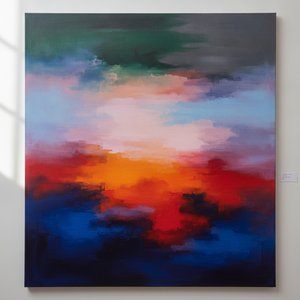
Color Field Painting: The Emotional Power of Pure Abstraction and Chromatic Depth
Explore the profound emotional depth of Color Field painting. Discover the history of mid-century abstraction, from Rothko to Newman, and learn how pure color transforms the viewer's experience through our expert art history guide.
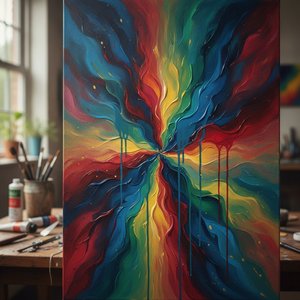
Lyrical Abstraction: The Emotional Power of Color and Form in Modern Art History
Explore the profound emotional depth of Lyrical Abstraction. Discover how masters like Raymond Parker used color and form to bridge Impressionism and Abstract Expressionism. Learn about this pivotal movement through our expert-led art history guide.

Γεωμετρική Αφαίρεση: 10 Έργα που Άλλαξαν την Τέχνη | OriginalUniqueArt.gr
Ανακαλύψτε τα 10 κορυφαία έργα της Γεωμετρικής Αφαίρεσης! Μοντριάν, Καντίνσκι & άλλοι. Ιστορίες, τεχνικές και έμπνευση για τη διακόσμηση του σπιτιού σας. Βρείτε αναπαραγωγές υψηλής ποιότητας στο OriginalUniqueArt.com.
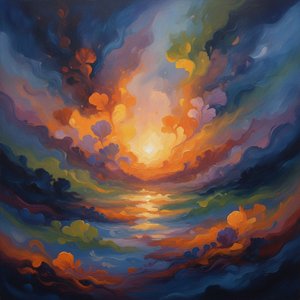
The Soul of Color: A Journey into the Emotional Resonance of Lyrical Abstraction
Embark on a cultural journey through Lyrical Abstraction. Explore how masters like Kandinsky used color and motion to translate emotion into visual poetry. Discover the profound beauty of abstract expressionism and learn to curate emotional resonance in your own art collection.
