Πορτρέτο του Νικόλαος Γέ

Τα 95 πιο διάσημα έργα του Νικόλαος Γέ, μια επιλογή γκαλερί

Ενημερωμένο Οκτώβριος 2026 · κατάταξη βάσει του σκορ δημοφιλίας μας (αναζητήσεις, επισκέψεις και παραγγελίες για κάθε έργο) · 95 έργα του Νικόλαος Γέ στον κατάλογό μας

Με σύντομη περιγραφή

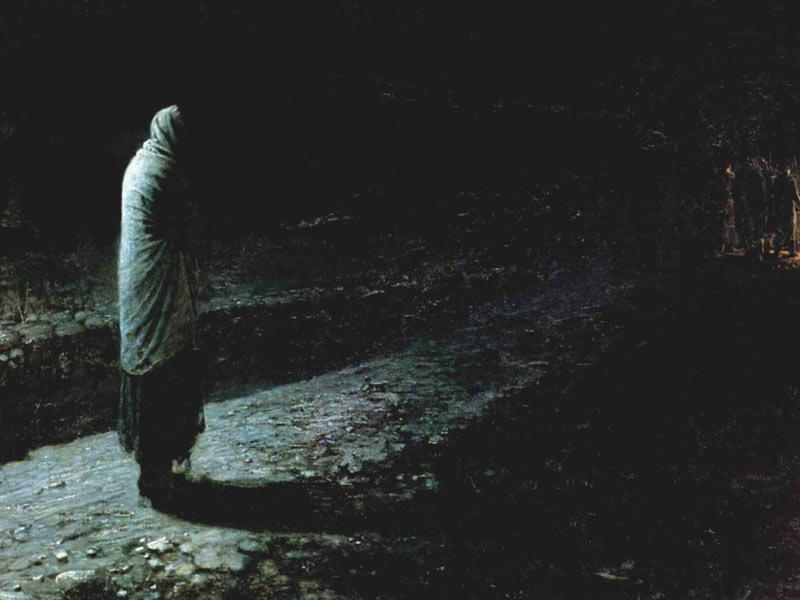
Από όλα τα πρωτότυπα έργα που άφησε ο Νικόλαος Γέ, το πιο διάσημο είναι το Peter the Great Interrogating the Tsarevich Alexei Petrovich at Peterhof (1871), το οποίο βρίσκεται στη συλλογή του Τρέτιακοφ Ακαδημία Μουσειακή, Μόσχα. Ακολουθούν στενά η Christ and his disciples entered the Garden of Gethsemane (1888) και η Harbingers of the Resurrection (1867). Ο κατάλογός μας περιλαμβάνει 95 έργα του Νικόλαος Γέ· η γκαλερί έχει διατηρήσει τα 95 κομμάτια που θαυμάζει ο κόσμος, το καθένα με την ημερομηνία, το μουσείο και την ιστορία του.

1831 – 1894, Βορόνεζ Realism Περισσότερα έργα: Τρέτιακοφ Ακαδημία Μουσειακή

Τα 10 κορυφαία έργα του Νικόλαος Γέ: η επιλογή της γκαλερί

1
Peter the Great Interrogating the Tsarevich Alexei Petrovich at Peterhof (1871) του Νικόλαος Γέ

Peter the Great Interrogating the Tsarevich Alexei Petrovich at Peterhof

1871 · Oil On Canvas · Τρέτιακοφ Ακαδημία Μουσειακή, Μόσχα

The oil painting depicts a somber historical scene set within the interior of the Monplaisir Palace in Peterhof. The composition centers on two figures positioned on opposite sides of a large, ornate table. On the right, Peter I is seated in an upholstered chair trimmed with red velvet, leaning slightly forward with an authoritative gaze. On the left, Tsarevich Alexei Petrovich stands upright with a bowed head and a dejected…

2
Christ and his disciples entered the Garden of Gethsemane (1888) του Νικόλαος Γέ

Christ and his disciples entered the Garden of Gethsemane

1888 · Oil On Canvas

Nikolai Ge’s Christ and his disciples entered the Garden of Gethsemane, painted about 1888, captures a pivotal moment from the New Testament. The religious subject matter focuses on the group of figures gathered in the garden. Christ stands prominently with outstretched arms, a gesture suggesting sacrifice and the acceptance of fate. Around him, the disciples are clustered in a solemn assembly. Their somber expressions convey a sense of anxiety and…

3
Harbingers of the Resurrection (1867) του Νικόλαος Γέ

Harbingers of the Resurrection

1867 · Oil

In the painting Harbingers of the Resurrection, created by Nikolai Ge about 1867, the central figure is Jesus Christ. He is positioned in the middle of the composition, flanked by two men. These two figures on either side of Christ appear to be angels or messengers. Each of these men holds a staff, an object that may symbolize their functions as protectors or guides. The presence of these figures establishes…

4
Portrait of Nikolai Nekrasov (1872) του Νικόλαος Γέ

Portrait of Nikolai Nekrasov

1872 · Oil On Canvas · Ερμιτάζ, Σουζ ή Αγία Πετρούπολη

An elderly man sits within the heavy embrace of a patterned armchair. The fabric of his suit carries a palpable weight, rendered in deep blacks and muted earth tones that seem to absorb the surrounding light. His face, pale against the dark void of the background, holds a quiet melancholy. Light falls sharply across his forehead and eyes, catching the texture of skin and the silvered strands of facial hair.…

5
Leila and Khaji-Abrek (1852) του Νικόλαος Γέ

Leila and Khaji-Abrek

1852 · Oil

In the painting Leila and Khaji-Abrek by Nikolai Ge, two figures occupy the central space of the composition. Created about 1852, the work depicts a woman and a man in a specific physical arrangement. The woman is positioned kneeling on the ground, facing the man. He is situated before her, appearing as a soldier or a leader in stature and presence. Both individuals are dressed in traditional clothing that covers…

6
Bridge in Viko (1858) του Νικόλαος Γέ

Bridge in Viko

1858 · Oil On Paper

We are looking at Bridge in Viko, a work from 1858 by the Russian artist Nikolai Ge. This piece belongs to the Realism movement, a period where the focus shifted toward a more direct and unadorned representation of the world. It is a quiet study of landscape and structure, captured during a formative time in the artist's career.

7
Returning from the burial of Christ (1859) του Νικόλαος Γέ

Returning from the burial of Christ

1859 · Oil

In this quiet composition titled Returning from the burial of Christ, we encounter a profound moment of transition. The work is attributed to the Russian artist Nikolai Ge and dates to 1859. It captures a solemn procession of figures moving through a natural landscape, their presence marked by the heavy folds of their long robes. There is a stillness here that invites a closer look at the gravity of the…

8
Portrait of Leo Tolstoy (1884) του Νικόλαος Γέ

Portrait of Leo Tolstoy

1884 · Oil On Canvas · Τρέτιακοφ Ακαδημία Μουσειακή, Μόσχα

In the quiet, amber-hued atmosphere of a Moscow study, time seems to suspend itself within Nikolai Ge’s 1884 masterpiece, Portrait of Leo Tolstoy. This is not merely a depiction of a man at work; it is an intimate window into the very soul of Russian literature. The painting captures the legendary author seated at his desk, enveloped by the weight of his own profound thoughts. As he leans over his…

9
Portrait of Alexander Herzen (1867) του Νικόλαος Γέ

Portrait of Alexander Herzen

1867 · Oil On Canvas · Ερμιτάζ, Σουζ ή Αγία Πετρούπολη

This oil painting is a somber and intense psychological portrait of an older man, presented as an oval-shaped bust-length figure. Set against a dark, indistinct background, the subject is illuminated by directional lighting coming from the upper left, which casts one side of his face and much of his clothing into deep shadow. This technique creates a sense of depth and three-dimensionality through dramatic chiaroscuro. The color palette is dominated…

Η επιλογή του Νικόλαος Γέ συνεχίζεται, από τον 11 έως τον 95

11Achilles and the body of Patroclus του Νικόλαος ΓέAchilles and the body of PatroclusNational Art Museum of The Republic of Belarus 12Mary, sister of Lazarus, Greets Jesus (1863) του Νικόλαος ΓέMary, sister of Lazarus, Greets Jesus1863 13Portrait of Russian baritone opera singer Gennady Kondratiev (1863) του Νικόλαος ΓέPortrait of Russian baritone opera singer Gennady Kondratiev1863 14Portrait of V.N.Rostovtseva (1861) του Νικόλαος ΓέPortrait of V.N.Rostovtseva1861 15Portrait of Joseph Daumang (1868) του Νικόλαος ΓέPortrait of Joseph Daumang1868 16Portrait of Princess Olga Volkonskaya (nee Kleinmichel) (1882) του Νικόλαος ΓέPortrait of Princess Olga Volkonskaya (nee Kleinmichel)1882 · Ερμιτάζ 17Conscience, Judas (1891) του Νικόλαος ΓέConscience, Judas1891 18Portrait of P.A. Kostichev (1892) του Νικόλαος ΓέPortrait of P.A. Kostichev1892 19Portrait of Yelena Likhachova (1892) του Νικόλαος ΓέPortrait of Yelena Likhachova1892 20Portrait of Yekaterina Ge, the Artist's Daughter-in-Law (1880) του Νικόλαος ΓέPortrait of Yekaterina Ge, the Artist's Daughter-in-Law1880 · Ερμιτάζ 21Crucifixion του Νικόλαος ΓέCrucifixion 22Portrait of Evdokiya Nikolaevna Kostycheva (1845) του Νικόλαος ΓέPortrait of Evdokiya Nikolaevna Kostycheva1845 23Portrait of Yakov Merkulov (1855) του Νικόλαος ΓέPortrait of Yakov Merkulov1855 24Portrait of Nikolay O.Ge, Artist's Father (1854) του Νικόλαος ΓέPortrait of Nikolay O.Ge, Artist's Father1854 25Frascati Clouds (1859) του Νικόλαος ΓέFrascati Clouds1859 26The view from Santo Terenzo at Lerici by night (1862) του Νικόλαος ΓέThe view from Santo Terenzo at Lerici by night1862 27Portrait of Piotr Zabela (1856) του Νικόλαος ΓέPortrait of Piotr Zabela1856 28Bay in Livorno. sunset (1862) του Νικόλαος ΓέBay in Livorno. sunset1862 29Death of Imelda Lambertatstsi (1860) του Νικόλαος ΓέDeath of Imelda Lambertatstsi1860 30Death of Virginia, Study (1857) του Νικόλαος ΓέDeath of Virginia, Study1857 31Witch of Endor (1857) του Νικόλαος ΓέWitch of Endor1857 32The destruction of the Temple in Jerusalem (1859) του Νικόλαος ΓέThe destruction of the Temple in Jerusalem1859 33love of Vestal (1857) του Νικόλαος Γέlove of Vestal1857 34Portrait of the Artist's Wife Anna Ge (1858) του Νικόλαος ΓέPortrait of the Artist's Wife Anna Ge1858 · Εθνική Πινακοθήκη Κιέβου 35Portrait of Shestova with daughter (1859) του Νικόλαος ΓέPortrait of Shestova with daughter1859 36Death of Virginia, Study (1857) του Νικόλαος ΓέDeath of Virginia, Study1857 37Vineyard at Vico (1858) του Νικόλαος ΓέVineyard at Vico1858 38Death of Virginia, Study (1857) του Νικόλαος ΓέDeath of Virginia, Study1857 39Livorno. Road to the Sea at Antiniano near Livorno (1862) του Νικόλαος ΓέLivorno. Road to the Sea at Antiniano near Livorno1862 40Sorrento (1869) του Νικόλαος ΓέSorrento1869 41Oaks in the mountains of Carrara (1868) του Νικόλαος ΓέOaks in the mountains of Carrara1868 42Marble Saw in Carrara (1868) του Νικόλαος ΓέMarble Saw in Carrara1868 43Loading marble (1868) του Νικόλαος ΓέLoading marble1868 44Portrait of the Author Alexander Herzen (1867) του Νικόλαος ΓέPortrait of the Author Alexander Herzen1867 45The Transportation of Marble at Carrara (1868) του Νικόλαος ΓέThe Transportation of Marble at Carrara1868 46Christ in front of Annas (1868) του Νικόλαος ΓέChrist in front of Annas1868 47Portrait of an Unknown Woman in a blue blouse (1868) του Νικόλαος ΓέPortrait of an Unknown Woman in a blue blouse1868 48Christ in the synagogue (1868) του Νικόλαος ΓέChrist in the synagogue1868 49Portrait of A.N.Pypin (1871) του Νικόλαος ΓέPortrait of A.N.Pypin1871 50Florence. The Cascina Park (1868) του Νικόλαος ΓέFlorence. The Cascina Park1868 51Portrait of the Poet Nikolay Nekrasov (1872) του Νικόλαος ΓέPortrait of the Poet Nikolay Nekrasov1872 52Tsar Boris and the Queen Martha (1874) του Νικόλαος ΓέTsar Boris and the Queen Martha1874 53Portrait of Alexei Antipowitsch Potechin (1876) του Νικόλαος ΓέPortrait of Alexei Antipowitsch Potechin1876 54Portrait of Anna Olsufyeva (1881) του Νικόλαος ΓέPortrait of Anna Olsufyeva1881 55An Old Peasant (1880) του Νικόλαος ΓέAn Old Peasant1880 56Portrait of Adam Olsufyev (1881) του Νικόλαος ΓέPortrait of Adam Olsufyev1881 57On the Mount of Olives (1880) του Νικόλαος ΓέOn the Mount of Olives1880 58Portrait of Natalia Petrunkevich (1892) του Νικόλαος ΓέPortrait of Natalia Petrunkevich1892 59Self-Portrait (1892) του Νικόλαος ΓέSelf-Portrait1892 · Εθνική Πινακοθήκη Κιέβου 60Sophia Tolstaya (1886) του Νικόλαος ΓέSophia Tolstaya1886 61Portrait of Maria Gabayeva (1886) του Νικόλαος ΓέPortrait of Maria Gabayeva1886 62Portrait of Tatyana Tolstaya, Leo Tolstoy's Daughter (1887) του Νικόλαος ΓέPortrait of Tatyana Tolstaya, Leo Tolstoy's Daughter1887 63Portrait of Nikolay Ge, the Artist's Grandson (1889) του Νικόλαος ΓέPortrait of Nikolay Ge, the Artist's Grandson1889 64Old Park (1893) του Νικόλαος ΓέOld Park1893 65Crusifixion του Νικόλαος ΓέCrusifixion 66Mother at the funeral of her child του Νικόλαος ΓέMother at the funeral of her child 67Portrait of Barbara Kochubey του Νικόλαος ΓέPortrait of Barbara Kochubey 68Portrait of Olga Kostycheva του Νικόλαος ΓέPortrait of Olga Kostycheva 69Return of Tobias του Νικόλαος ΓέReturn of Tobias 70Carrara του Νικόλαος ΓέCarrara 71Judah του Νικόλαος ΓέJudah 72The Temptation of Christ του Νικόλαος ΓέThe Temptation of Christ 73Pushkin in the village Mihaylovskoye του Νικόλαος ΓέPushkin in the village Mihaylovskoye 74Ruslan and Lyudmila του Νικόλαος ΓέRuslan and Lyudmila 75The road into the forest του Νικόλαος ΓέThe road into the forest 76Bay in Livorno του Νικόλαος ΓέBay in Livorno 77Boys at the beach. Study του Νικόλαος ΓέBoys at the beach. Study 78Bay. Vyko του Νικόλαος ΓέBay. Vyko 79Portrait of Historian M.Kostomarov του Νικόλαος ΓέPortrait of Historian M.Kostomarov 80Gorge in the mountains of Carrara του Νικόλαος ΓέGorge in the mountains of Carrara 81Portrait of M.P.Svet του Νικόλαος ΓέPortrait of M.P.Svet 82Portrait of the Author Mikhail Saltykov-Shchedrin του Νικόλαος ΓέPortrait of the Author Mikhail Saltykov-Shchedrin 83Christ Head του Νικόλαος ΓέChrist HeadΕθνική Πινακοθήκη Κιέβου 84Portrait of the Ukrainian boy του Νικόλαος ΓέPortrait of the Ukrainian boy 85The head of John the Apostle του Νικόλαος ΓέThe head of John the Apostle 86Katerina Ivanovna Zabello του Νικόλαος ΓέKaterina Ivanovna Zabello 87Portrait of Maria Tolstaya, Leo Tolstoy's Daughter του Νικόλαος ΓέPortrait of Maria Tolstaya, Leo Tolstoy's Daughter 88Portrait of M.V. Alekhin του Νικόλαος ΓέPortrait of M.V. Alekhin 89Christand Robber του Νικόλαος ΓέChristand Robber 90Peter I interrogates Tsarevich Alexei του Νικόλαος ΓέPeter I interrogates Tsarevich Alexei 91The Judgment of King Solomon του Νικόλαος ΓέThe Judgment of King Solomon 92Last Supper (1863) του Νικόλαος ΓέLast Supper1863 · Κρατικό Ρωσικό Μουσείο 93What is Truth. Christ and Pilate (1890) του Νικόλαος ΓέWhat is Truth. Christ and Pilate1890 · Τρέτιακοφ Ακαδημία Μουσειακή 94Golgotha (1893) του Νικόλαος ΓέGolgotha1893 · Τρέτιακοφ Ακαδημία Μουσειακή 95The Judgment of the Sanhedrin (1892) του Νικόλαος ΓέThe Judgment of the Sanhedrin1892 · Τρέτιακοφ Ακαδημία Μουσειακή

Τα διάσημα έργα του Νικόλαος Γέ, ανά περίοδο

Τα θέματα που κίνησαν το ενδιαφέρον του Νικόλαος Γέ

Τα τέσσερα θέματα που εμφανίζονται πιο συχνά σε αυτά τα πρωτότυπα έργα, το καθένα με το εξαιρετικό του παράδειγμα.

Τα μουσεία που διατηρούν τα πρωτότυπα έργα του Νικόλαος Γέ

Τα 5 μουσεία που φιλοξενούν το μεγαλύτερο μέρος των έργων σε αυτήν τη σελίδα.

Μουσεία Πόλη Έργα του Νικόλαος Γέ Πάτρια από αυτή τη λίστα
Τρέτιακοφ Ακαδημία Μουσειακή, ΜόσχαΤρέτιακοφ Ακαδημία Μουσειακή Μόσχα 5 Peter the Great Interrogating the Tsarevich Alexei Petrovich at Peterhof, Portrait of Leo Tolstoy, What is Truth. Christ and Pilate
Ερμιτάζ, Σουζ ή Αγία ΠετρούποληΕρμιτάζ Σουζ ή Αγία Πετρούπολη 4 Portrait of Nikolai Nekrasov, Portrait of Alexander Herzen, Portrait of Princess Olga Volkonskaya (nee Kleinmichel)
Εθνική Πινακοθήκη Κιέβου, KyivΕθνική Πινακοθήκη Κιέβου Kyiv 3 Portrait of the Artist's Wife Anna Ge, Self-Portrait, Christ Head
National Art Museum of The Republic of Belarus, MinskNational Art Museum of The Republic of Belarus Minsk 1 Achilles and the body of Patroclus
Κρατικό Ρωσικό Μουσείο, ΠετρόποληΚρατικό Ρωσικό Μουσείο Πετρόπολη 1 Last Supper

Ο Νικόλαος Γέ δεκαετία προς δεκαετία: το πρωτότυπο που ορίζει κάθε μία

Έργα ανά δεκαετία

Επιλέξτε μια δεκαετία για να δείτε το πρωτότυπο έργο που την χαρακτηρίζει.

Ερωτήσεις συλλεκτών για τα έργα του Νικόλαος Γέ

Για ποιο έργο είναι πιο γνωστός ο Νικόλαος Γέ;Αποκαλύψτε την απάντηση

Peter the Great Interrogating the Tsarevich Alexei Petrovich at Peterhof (1871), Τρέτιακοφ Ακαδημία Μουσειακή, Μόσχα. Στη συνέχεια ακολουθούν το Christ and his disciples entered the Garden of Gethsemane (1888) και το Harbingers of the Resurrection (1867).

Πόσο ηλικία είχε ο/η Νικόλαος Γέ όταν δημιουργήθηκε το Peter the Great Interrogating the Tsarevich Alexei Petrovich at Peterhof;Αποκαλύψτε την απάντηση

40 ετών: το έργο Peter the Great Interrogating the Tsarevich Alexei Petrovich at Peterhof είναι του 1871, και ο/η Νικόλαος Γέ γεννήθηκε το 1831.

Ποια είναι τα δέκα πιο διάσημα έργα του Νικόλαος Γέ;Αποκαλύψτε την απάντηση

Peter the Great Interrogating the Tsarevich Alexei Petrovich at Peterhof, Christ and his disciples entered the Garden of Gethsemane, Harbingers of the Resurrection, Portrait of Nikolai Nekrasov, Leila and Khaji-Abrek, Bridge in Viko, Returning from the burial of Christ, Portrait of Leo Tolstoy, Portrait of Alexander Herzen και Catherine II at the Coffin of Empress Elizabeth. Η κατάταξη παραπάνω αναγράφει το έτος και το μουσείο για το κάθε έργο.

Πόσα έργα δημιούργησε ο/η Νικόλαος Γέ;Αποκαλύψτε την απάντηση

Ο κατάλογός μας περιλαμβάνει 95 έργα του Νικόλαος Γέ, με ημερομηνίες από 1845 έως 1893.

Σε ποια μουσεία εκτίθενται τα αριστούργημα του Νικόλαος Γέ;Αποκαλύψτε την απάντηση

Κυρίως σε Τρέτιακοφ Ακαδημία Μουσειακή (Μόσχα), Ερμιτάζ (Σουζ ή Αγία Πετρούπολη) και Εθνική Πινακοθήκη Κιέβου (Kyiv). Ο πίνακας μουσείου παραπάνω τους περιλαμβάνει όλους.

Σε ποιες χρονιές δημιούργησε ο/η Νικόλαος Γέ τα πιο διάσημα έργα του/της;Αποκαλύψτε την απάντηση

Κατά την περίοδο 1860s: 21 από τα 95 έργα σε αυτήν τη σελίδα δημιουργήθηκαν τότε, με Harbingers of the Resurrection από αυτά να είναι μοναδικά.

Ποια είναι τα πρώτα και τα τελευταία διάσημα πρωτότυπα του Νικόλαος Γέ;Αποκαλύψτε την απάντηση

Σε αυτήν τη σελίδα, το παλαιότερο είναι Portrait of Evdokiya Nikolaevna Kostycheva (1845) και το νεότερο Old Park (1893).

Ποια θέματα επέλεξε πιο συχνά ο Νικόλαος Γέ;Αποκαλύψτε την απάντηση

Portraits (25), Men (18) και Women (11), σε συνολικά 95 έργα σε αυτήν τη σελίδα.

Ποια τεχνική χρησιμοποίησε περισσότερο ο Νικόλαος Γέ;Αποκαλύψτε την απάντηση

Oil On Canvas, για 7 από τα 95 έργα σε αυτήν τη σελίδα.

Σε ποιο καλλιτεχνικό κίνημα ανήκει ο/η Νικόλαος Γέ;Αποκαλύψτε την απάντηση

Realism, όπως προκύπτει από τα πρωτότυπα σε αυτήν τη σελίδα.

Ποια έργα του Νικόλαος Γέ εκτίθενται στο Τρέτιακοφ Ακαδημία Μουσειακή;Αποκαλύψτε την απάντηση

Peter the Great Interrogating the Tsarevich Alexei Petrovich at Peterhof, Portrait of Leo Tolstoy και What is Truth. Christ and Pilate: το Τρέτιακοφ Ακαδημία Μουσειακή, Μόσχα διαθέτει 5 από τα έργα σε αυτήν τη σελίδα.

Νικόλαος Γέ: ζωή και έργο

Nikolaï Ge: Ένας Καλλιτέχνης στην Κόψη της Εποχής

Ο Νικόλαϊ Γε (1831-1894) αποτελεί μια σημαντική και συχνά υποτιμημένη φιγούρα της ρωσικής τέχνης. Γεννημένος σε μια οικογένεια ευγενών, με γαλλικές ρίζες, η ζωή του χαρακτηρίστηκε από έντονο πνευματικό ενδιαφέρον και αφοσίωση στην τέχνη. Αρχικά προορισμένος για καριέρα στις επιστήμες, σπούδασε φυσική και μαθηματικά στο Πανεπιστήμιο της Κιέβελ και αργότερα στο Πανεπιστήμιο του Αγίου Πέτρου, μια ριζική αλλαγή κατεύθυνσης τον οδήγησε στην τέχνη, συγκεκριμένα στην Ακαδημία Τέχνης του Αγίου Πέτρου. Αυτή η απόφαση δεν ήταν απλώς προσωπική αλλά σηματοδότησε και μια σημαντική εξέλιξη στον ρωσικό καλλιτεχνικό χώρο.

Τα πρώτα χρόνια και οι επιρροές: Η εκπαίδευσή του στην Ακαδημία Τέχνης του Αγίου Πέτρου τον έβαλε υπό τη σκέψη του μεταλλειούργου Πιέτρου Μπασίν. Κατά τη διάρκεια των πρώτων χρόνων του, ο Γε επηρεάστηκε βαθύτατα από τον Καρλ Βρυλλόβ, έναν κορυφαίο ρωσικό ακαδημαϊκό ζωγράφο. Η ευκαιρία να ταξιδέψει σε Γερμανία, Ελβετία και Γαλλία, χάρη σε υποτροφία που έλαβε μετά την αποφοίτησή του, διεύρυνε σημαντικά τους ορίζοντές του και τον άφησε ανοιχτό σε διαφορετικές καλλιτεχνικές προσεγγίσεις.

Πρωτοποριακή Χρήση της Φωτογραφίας και Σκάνδαλον: Ένα από τα πιο αξιοσημείωτα στοιχεία της καριέρας του Γε είναι η πρωτοποριακή χρήση της φωτογραφίας στην τέχνη. Το 1861, ζωγράφισε το "Τελευταίο Δείπνο" χρησιμοποιώντας μια φωτογραφία του Αλεξάντερ Ιβάνοβιτς Χέρτσεν, τραβηγμένη από τον Σεργέι Λεβίτσι, ως μοντέλο για τον Χριστό. Αυτή η επιλογή προκάλεσε έντονες συζητήσεις και αντιδράσεις, καθώς πολλοί κριτικοί υποστήριξαν ότι ενθάρρυνε το υλισμό και την αποστροφή. Η φωτογραφία, που μέχρι τότε θεωρούνταν ένα εργαλείο τεχνικής καταγραφής, εισήχθη στην τέχνη ως πηγή έμπνευσης και αναπαράστασης, ανοίγοντας νέους δρόμους για την καλλιτεχνική έκφραση. Η αμφισβήτηση αυτή σηματοδότησε μια σημαντική στιγμή στην εξέλιξη της ρωσικής τέχνης.

Η Επανάσταση στις Τεχνικές και η Φιλοσοφική Έρευνα

"Η Διάθεση του Αχιλλέα": Η πρώτη μεγάλη επιτυχία του Γε ήταν το έργο "Η Διάθεση του Αχιλλέα", ένα πορτρέτο που έλαβε βραβείο στην εκθέσεις της Ακαδημίας Τέχνης. Το έργο αυτό, με την ρεαλιστική του προσέγγιση και τη λεπτομερή αναπαράσταση των συναισθημάτων, προκάλεσε ενθουσιασμό και έθεσε τις βάσεις για το καλλιτεχνικό του στυλ.

Σχέση με τον Αλέξανδρο Ιβάνοβιτς Ivanov: Η επίσκεψή του στη Ρώμη, όπου γνώρισε τον Αλέξανδρο Ιβάνοβιτς Ivanov, αποτέλεσε μια καθοριστική στιγμή. Ο Ivanov, ένας από τους σημαντικότερους ρωσικούς ζωγράφους της εποχής, επηρέασε βαθιά το έργο του Γε, τόσο σε στυλ όσο και στις θεματικές επιλογές του.

Πνευματική Αναζήτηση: Ο Γε δεν περιορίστηκε στην απλή αναπαράσταση της πραγματικότητας. Εμβάθυνε στις φιλοσοφικές ερωτήσεις, εξερευνώντας θέματα όπως η θρησκεία, η αλήθεια και η ανθρώπινη φύση. Αυτό είναι ιδιαίτερα εμφανές στα έργα του που αφορούν την ιστορία και τη θρησκευτική ζωη.

Σημαντικά Έργα και Ιστορικό Πλαίσιο

"Η Καταστροφή του Ναού του Βασιλέως Ιεροσολύμων": Το έργο "Η Καταστροφή του Ναού του Βασιλέως Ιεροσολύμην" (1871) είναι ένα από τα πιο γνωστά και αμφιλεγόμενα έργα του Γε. Η απεικόνιση της καταστροφής του ναού, με την έντονη δραματικότητα και τις λεπτομερείς αναπαραστάσεις, προκάλεσε αντιδράσεις και κριτική για την ερμηνεία του γεγονότος.

Σχέση με τον Λέοντα Τολστόι: Ο Γε γνώρισε τον Λέοντα Τολστόι και ενθάρρυναν η αλληλεπίδρασή τους. Η φιλοσοφία του Τολστόι επηρέασε σημαντικά τις καλλιτεχνικές επιλογές του Γε, ιδιαίτερα στα μεταγενέστερα έργα του.

Πορτρέτα και Αμφισβήτηση: Ο Γε συνέχισε να δημιουργεί πορτρέτα, συμπεριλαμβανομένου του Λέοντα Τολστόι. Ωστόσο, τα έργα του συχνά αντιμετώπιζαν κριτική για την ερμηνεία τους και τις φιλοσοφικές τους προεκτάσεις.

Η Κληρονομιά και η Αναγνώριση

Απώλεια Έργων: Μετά τον θάνατό του, πολλά έργα του Γε απήχθησαν και βρίσκονται σήμερα σε ιδιωτικές συλλογές. Η ανακάλυψη των αυτών των έργων ήταν μια μακρόχρονη διαδικασία.

Επιστροφή στην Ρωσία: Μετά από εκτεταμένες διαπραγματεύσεις, ένα σημαντικό αριθμό έργων του Γε αποκαταστάθηκε στη Ρωσία το 2011 και τώρα εκτίθενται στο Τρετιακό Μουσείο.

Ο Νικόλαϊ Γε αποτελεί έναν καλλιτέχνη που ξεπέρασε τα όρια της εποχής του, συνδυάζοντας την τεχνική αρτιότητα με βαθιά φιλοσοφικές ερωτήσεις. Η αναγνώριση και η εκτίμησή του αυξάνονται σταδιακά, αποδεικνύοντας τη διαχρονική αξία της τέχνης του.