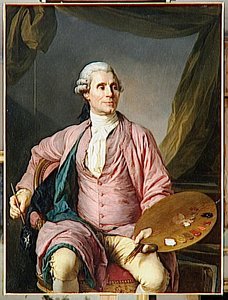
Πορτρέτο του Ζοζέφ Ντυπλεσί

Πάτσαδες του Ζοζέφ Ντυπλεσί: Τα 60 πιο διάσημα, μέσα από το βλέμμα μιας γκαλερί

Ενημερωμένο Νοέμβριος 2026 · κατάταξη βάσει του σκορ δημοφιλίας μας (αναζητήσεις, επισκέψεις και παραγγελίες για κάθε έργο) · 60 έργα του Ζοζέφ Ντυπλεσί στον κατάλογό μας

Με σύντομη περιγραφή

Στο μάτι της γκαλερί, το πιο διάσημο έργο του Ζοζέφ Ντυπλεσί είναι το Benjamin Franklin (1706-1790) (1778), το πρωτότυπο του οποίου εκτίθεται στο Μουσεία Τέχνης του Χάρβαρντ, Κέιμπριτζ. Ο Portrait of Louis XVI, King of France (1783) και ο Portrait of Louis XVI, King of France and Navarre ολοκληρώνουν το τρίο που κάθε μάτι αναγνωρίζει. Από τα 60 έργα του Ζοζέφ Ντυπλεσί στον κατάλογό μας, η γκαλερί παρουσιάζει παρακάτω τα 60 πιο διάσημα, όπου κάθε ένα είναι πρωτότυπο, με την χρονολογία του, το μουσείο του και το τι το κάνει μοναδικό.

1725 – 1802, Καρπαντρά Neoclassicism Περισσότερα έργα: Μουσείο Condé

Τα 10 κορυφαία έργα του Ζοζέφ Ντυπλεσί στη γκαλερέι

1
Benjamin Franklin (1706-1790) (1778) του Ζοζέφ Ντυπλεσί

Benjamin Franklin (1706-1790)

1778 · Oil On Canvas · Μουσεία Τέχνης του Χάρβαρντ, Κέιμπριτζ

The air in the room feels heavy with the weight of intellect and quiet authority. Benjamin Franklin sits before us, his gaze meeting ours with a calm, knowing intelligence that seems to bridge the gap between centuries. He is captured in an oval-shaped bust-length portrait, his body angled slightly away while his eyes remain fixed upon the viewer. A soft, directional light spills from the upper left, catching the sheen…

2
Portrait of Louis XVI, King of France (1783) του Ζοζέφ Ντυπλεσί

Portrait of Louis XVI, King of France

1783 · Oil On Canvas · Rijksmuseum, Άμστερνταμ

The Portrait of Louis XVI, King of France is a formal oil on canvas rendered by the artist Joseph Siffred Duplessis. Painted in 1783, the work captures the sovereign Louis XVI, King of France and Navarre. The subject is presented with a quiet, heavy dignity that anchors the composition within the traditions of 18th-century court painting.

3
Portrait of Louis XVI, King of France and Navarre του Ζοζέφ Ντυπλεσί

Portrait of Louis XVI, King of France and Navarre

Oil On Canvas · Opera House, Βερσαλλίες

The Portrait of Louis XVI, King of France and Navarre by Joseph Siffred Duplessis captures a monarch at a moment of profound historical weight. The subject, Louis XVI, who succeeded to the throne in 1774, meets the viewer's gaze from within the frame. Joseph Siffred Duplessis renders the king not merely as a figure of state, but as a man held within the stillness of his own station. The portrait…

4
Louis XVI of France (1754-1793) του Ζοζέφ Ντυπλεσί

Louis XVI of France (1754-1793)

The light catches a forehead of pale ochre, pulling the face from a heavy, dark void. Louis XVI does not look at the viewer. Instead, his eyes are fixed on a point somewhere beyond the frame, a quiet, visionary contemplation that feels both noble and distant. He is a man caught in the stillness before a storm. The shadows on the right side of his face provide a soft, three-dimensional…

5
Portrait of Louis XVIII, when comte de Provence ? (1771) του Ζοζέφ Ντυπλεσί

Portrait of Louis XVIII, when comte de Provence ?

1771 · Oil On Canvas · Statens Museum For Kunst, Κόπενημαγκς

A young man is presented in a bust-length portrait, his gaze directed toward the viewer with a calm, poised expression. The composition is set at a slight angle, creating a sense of three-dimensional depth through subtle lighting that originates from the upper left. This light casts gentle shadows across the right side of the face, defining the contours of the features and the structure of the neckcloth. The subject's powdered…

6
Madame de Saint-Maurice (1776) του Ζοζέφ Ντυπλεσί

Madame de Saint-Maurice

1776 · Oil On Canvas · Μετροπολιτικό Μουσείο Τέχνης, Νέα Υόρκη

In this 1776 portrait, we find ourselves in the presence of Madame de Saint-Maurice, captured in a moment of quiet, dignified poise. The subject is presented in a three-quarter length view, her figure slightly offset to create a sense of natural, unforced elegance. There is a softness to her presence, a gentle serenity in her expression that suggests a woman of significant social standing and calm temperament. The lighting, descending…

7
Portrait of a Gentleman (Jean-Baptiste-Francois Dupre?) (1780) του Ζοζέφ Ντυπλεσί

Portrait of a Gentleman (Jean-Baptiste-Francois Dupre?)

1780 · Oil On Canvas · Μουσεία Τέχνης της Σαν Φρανσίσκο, Σαν Φρανσίσκο

In "Portrait of a Gentleman (Jean-Baptiste-Francois Dupre?)" by Joseph Siffred Duplessis, a sense of poised stillness fills the room. The subject sits in a three-quarter length view, resting within an ornate chair that anchors the composition. He is positioned slightly off-center, a choice that lends a certain dynamic poise to his seated form. An eye-level perspective draws the viewer into his immediate space, fostering an intimate connection that feels direct…

9
Portrait of a Woman (1760) του Ζοζέφ Ντυπλεσί

Portrait of a Woman

1760 · Oil On Canvas · Μουσείο Carnavalet, Παρίσι

This 1760 oil portrait presents an elegant, intimate bust-length depiction of a woman, rendered in an oval-shaped composition. The subject is positioned against a dark, muted, and indistinct background that creates a sense of shallow depth. Her face and upper torso are illuminated by directional lighting coming from the upper left, which casts gentle shadows across the right side of her face and neck, enhancing the three-dimensional modeling of her…

10
Jean-Baptiste François, Comte de la Michodière, Provost of the Merchants from 1772 to 1778 (1771) του Ζοζέφ Ντυπλεσί

Jean-Baptiste François, Comte de la Michodière, Provost of the Merchants from 1772 to 1778

1771 · Oil On Canvas · Μουσείο Carnavalet, Παρίσι

The sitter gazes out from a realm of deep shadows, his presence commanding the space through a quiet, dignified stillness. He sits in a three-quarter view, his body angled slightly away while his eyes meet the viewer with a gaze of seasoned wisdom. A heavy silk robe in a shade of midnight blue catches the light, its lustrous sheen revealing the weight and luxury of the fabric. Around his neck,…

Πάينτα του Ζοζέφ Ντυπλεσί, κατάταξη από 11 έως 60

11Portrait of Madame Fréret d’Héricourt (1769) του Ζοζέφ ΝτυπλεσίPortrait of Madame Fréret d’Héricourt1769 · The Nelson-Atkins Museum of Art 12Portrait of Madame Denis, niece of Voltaire (1778) του Ζοζέφ ΝτυπλεσίPortrait of Madame Denis, niece of Voltaire1778 · Μουσείο Condé 13Louis XVI (1754-1793), King of France. Full-length portrait, in royal costume. (1777) του Ζοζέφ ΝτυπλεσίLouis XVI (1754-1793), King of France. Full-length portrait, in royal costume.1777 14Louis XVI (1754-1793), King of France. Full-length portrait, in royal costume. (1777) του Ζοζέφ ΝτυπλεσίLouis XVI (1754-1793), King of France. Full-length portrait, in royal costume.1777 15Benjamin Franklin (1706-1790) (1778) του Ζοζέφ ΝτυπλεσίBenjamin Franklin (1706-1790)1778 · Petit Palais 16Portrait of Charles-Claude Flahaut de la Billarderie comte d'Angiviller (1730-1809) (1784) του Ζοζέφ ΝτυπλεσίPortrait of Charles-Claude Flahaut de la Billarderie comte d'Angiviller (1730-1809)1784 · Statens Museum For Kunst 17Portrait of Abraham Fontanel (1779) του Ζοζέφ ΝτυπλεσίPortrait of Abraham Fontanel1779 · Musée Fabre 18Landscape in Blue Monochrome (1780) του Ζοζέφ ΝτυπλεσίLandscape in Blue Monochrome1780 · Pharmacy of Hôtel-Dieu Hospital 19Portrait of Benjamin Franklin (1790) του Ζοζέφ ΝτυπλεσίPortrait of Benjamin Franklin1790 · Musée Des Beaux 20Portrait of a Lady (1787) του Ζοζέφ ΝτυπλεσίPortrait of a Lady1787 · Art Institute of Chicago 21Benjamin Franklin (1785) του Ζοζέφ ΝτυπλεσίBenjamin Franklin1785 · National Portrait Gallery 22Portrait of Benjamin Franklin (1778) του Ζοζέφ ΝτυπλεσίPortrait of Benjamin Franklin1778 · New York Historical Society 23Portrait of Jacques Necker (1781) του Ζοζέφ ΝτυπλεσίPortrait of Jacques Necker1781 · Musée Nissim de Camondo 24Halte de cavaliers (1800) του Ζοζέφ ΝτυπλεσίHalte de cavaliers1800 · Musée Massey 25Portrait of the Comte d'Angiviller (1779) του Ζοζέφ ΝτυπλεσίPortrait of the Comte d'Angiviller1779 · Château de Versailles 26Bust Portrait of King Louis XVI of France του Ζοζέφ ΝτυπλεσίBust Portrait of King Louis XVI of FranceStaatliche Kunsthalle Karlsruhe 27Joseph-Marie Vien with Palette του Ζοζέφ ΝτυπλεσίJoseph-Marie Vien with PaletteΜουσείο Τέχνης Βοστώνης 28Pierre Chrysostème de Bonnac d'Usson, 1724-1782, greve του Ζοζέφ ΝτυπλεσίPierre Chrysostème de Bonnac d'Usson, 1724-1782, greveNational Portrait Gallery of Sweden 29Herders and their Cows Resting before Classical Ruins του Ζοζέφ ΝτυπλεσίHerders and their Cows Resting before Classical Ruins 30Portrait de femme του Ζοζέφ ΝτυπλεσίPortrait de femme 31Marie Antoinette de Lorraine Habsbourg alors Dauphine, en 1772 του Ζοζέφ ΝτυπλεσίMarie Antoinette de Lorraine Habsbourg alors Dauphine, en 1772 32Portrait of Suzanne Curchod του Ζοζέφ ΝτυπλεσίPortrait of Suzanne Curchod 33MADAME NECKER (1739 1794) του Ζοζέφ ΝτυπλεσίMADAME NECKER (1739 1794) 34JACQUES NECKER (1732 1804) του Ζοζέφ ΝτυπλεσίJACQUES NECKER (1732 1804)Opera House 35Untitled (D2WVS2) του Ζοζέφ ΝτυπλεσίUntitled (D2WVS2)Μετροπολιτικό Μουσείο Τέχνης 36PORTRAIT D'HOMME EN BUSTE του Ζοζέφ ΝτυπλεσίPORTRAIT D'HOMME EN BUSTE 37Portrait d'Antoine Léonard Thomas του Ζοζέφ ΝτυπλεσίPortrait d'Antoine Léonard ThomasMusée D'art Roger-quilliot 38LOUIS XVI, ROI DE FRANCE ET DE NAVARRE (1754 1793) του Ζοζέφ ΝτυπλεσίLOUIS XVI, ROI DE FRANCE ET DE NAVARRE (1754 1793) 39Louis XVI of France του Ζοζέφ ΝτυπλεσίLouis XVI of France 40LOUIS XVI, ROI DE FRANCE ET DE NAVARRE (1764 1793) του Ζοζέφ ΝτυπλεσίLOUIS XVI, ROI DE FRANCE ET DE NAVARRE (1764 1793) 41Unidentified Papal Ceremony του Ζοζέφ ΝτυπλεσίUnidentified Papal CeremonyBirmingham Museum and Art Gallery 42MICHEL PAUL GUY DE CHABANON (1730 1792) του Ζοζέφ ΝτυπλεσίMICHEL PAUL GUY DE CHABANON (1730 1792) 43PORTRAIT DU COMTE DE PROVENCE του Ζοζέφ ΝτυπλεσίPORTRAIT DU COMTE DE PROVENCEΜουσείο Condé 44PORTRAIT DE LOUIS XVI του Ζοζέφ ΝτυπλεσίPORTRAIT DE LOUIS XVI 45PORTRAIT DU COMTE D'ANGIVILLER του Ζοζέφ ΝτυπλεσίPORTRAIT DU COMTE D'ANGIVILLERΜουσείο Condé 46JEAN MARIE VIEN του Ζοζέφ ΝτυπλεσίJEAN MARIE VIENΜουσείο του Λούβρου 47CHRISTOPHE GABRIEL ALLEGRAIN του Ζοζέφ ΝτυπλεσίCHRISTOPHE GABRIEL ALLEGRAINΜουσείο του Λούβρου 48MADAME LENOIR του Ζοζέφ ΝτυπλεσίMADAME LENOIRΜουσείο του Λούβρου 49Christophe Gabriel Allegrain, Sculptor (1774) του Ζοζέφ ΝτυπλεσίChristophe Gabriel Allegrain, Sculptor1774 · Μουσείο του Λούβρου 50Portrait of Louis XIV, King of France του Ζοζέφ ΝτυπλεσίPortrait of Louis XIV, King of FranceJohn and Mable Ringling Museum of Art 51Portrait of Louis XV, King of France (wearing breastplate and the Order of the Golden Fleece) του Ζοζέφ ΝτυπλεσίPortrait of Louis XV, King of France (wearing breastplate and the Order of the Golden Fleece)John and Mable Ringling Museum of Art 52Portrait of Louis XVI, King of France (wearing a velvet coat with no armor and the Order of the Golden Fleece) του Ζοζέφ ΝτυπλεσίPortrait of Louis XVI, King of France (wearing a velvet coat with no armor and the Order of the Golden Fleece)John and Mable Ringling Museum of Art 53Portrait of Henri IV, King of France του Ζοζέφ ΝτυπλεσίPortrait of Henri IV, King of FranceJohn and Mable Ringling Museum of Art 54Ludvig XVI (1754-1793), konung av Frankrike του Ζοζέφ ΝτυπλεσίLudvig XVI (1754-1793), konung av FrankrikeNationalmuseum 55Portrait of Comte de Provence, brother of the King του Ζοζέφ ΝτυπλεσίPortrait of Comte de Provence, brother of the King 56Mr. buissy του Ζοζέφ ΝτυπλεσίMr. buissyΕθνική Πινακοθήκη του Καναδά 57Self portrait του Ζοζέφ ΝτυπλεσίSelf portraitOpera House 58LA DUCHESSE DE CHARTRES EN PRESENCE DU VAISSEAU LE SAINT ESPRIT QUI EMPORTE LE DUC DE CHARTRES AU COMBAT D'OUESSANT του Ζοζέφ ΝτυπλεσίLA DUCHESSE DE CHARTRES EN PRESENCE DU VAISSEAU LE SAINT ESPRIT QUI EMPORTE LE DUC DE CHARTRES AU COMBAT D'OUESSANTΜουσείο Condé 59Louis XVI in Coronation Robes (1777) του Ζοζέφ ΝτυπλεσίLouis XVI in Coronation Robes1777 · Musée Ingres Bourdelle 60Cristoph Wilibald von Gluck at the Spinet (1775) του Ζοζέφ ΝτυπλεσίCristoph Wilibald von Gluck at the Spinet1775 · Kunsthistorisches Museum

Τα θέματα που κίνησαν το ενδιαφέρον του Ζοζέφ Ντυπλεσί

Τα τέσσερα θέματα που εμφανίζονται πιο συχνά σε αυτά τα πρωτότυπα έργα, το καθένα με το εξαιρετικό του παράδειγμα.

Τα μουσεία που διατηρούν τα πρωτότυπα έργα του Ζοζέφ Ντυπλεσί

Τα 8 μουσεία που φιλοξενούν το μεγαλύτερο μέρος των έργων σε αυτήν τη σελίδα.

Μουσείο Πόλη Έργα του Ζοζέφ Ντυπλεσί Πάτρια από αυτή τη λίστα
Μουσείο Condé, ΣαντιλόνιΜουσείο Condé Σαντιλόνι 5 Portrait of Louis XVI, Portrait of Madame Denis, niece of Voltaire, PORTRAIT DU COMTE DE PROVENCE
Μουσείο του Λούβρου, ΠαρίσιΜουσείο του Λούβρου Παρίσι 4 JEAN MARIE VIEN, CHRISTOPHE GABRIEL ALLEGRAIN, MADAME LENOIR
John and Mable Ringling Museum of Art, SarasotaJohn and Mable Ringling Museum of Art Sarasota 4 Portrait of Louis XIV, King of France, Portrait of Louis XV, King of France (wearing breastplate and the Order of the Golden Fleece), Portrait of Louis XVI, King of France (wearing a velvet coat with no armor and the Order of the Golden Fleece)
Opera House, ΒερσαλλίεςOpera House Βερσαλλίες 3 Portrait of Louis XVI, King of France and Navarre, JACQUES NECKER (1732 1804), Self portrait
Statens Museum For Kunst, ΚόπενημαγκςStatens Museum For Kunst Κόπενημαγκς 2 Portrait of Louis XVIII, when comte de Provence ?, Portrait of Charles-Claude Flahaut de la Billarderie comte d'Angiviller (1730-1809)
Μετροπολιτικό Μουσείο Τέχνης, Νέα ΥόρκηΜετροπολιτικό Μουσείο Τέχνης Νέα Υόρκη 2 Madame de Saint-Maurice, Untitled (D2WVS2)
Μουσείο Carnavalet, ΠαρίσιΜουσείο Carnavalet Παρίσι 2 Portrait of a Woman, Jean-Baptiste François, Comte de la Michodière, Provost of the Merchants from 1772 to 1778
Μουσεία Τέχνης του Χάρβαρντ, ΚέιμπριτζΜουσεία Τέχνης του Χάρβαρντ Κέιμπριτζ 1 Benjamin Franklin (1706-1790)

Ζοζέφ Ντυπλεσί, ένα χαρακτηριστικό έργο ανά δεκαετία

Έργα ανά δεκαετία

Επιλέξτε μια δεκαετία για να δείτε το πρωτότυπο έργο που την χαρακτηρίζει.

Οι πίνακες του Ζοζέφ Ντυπλεσί: οι απαντήσεις της γκαλερί

Ποιο έργο του Ζοζέφ Ντυπλεσί είναι το πιο διάσημο από όλα;Αποκαλύψτε την απάντηση

Benjamin Franklin (1706-1790) (1778), Μουσεία Τέχνης του Χάρβαρντ, Κέιμπριτζ. Στη συνέχεια ακολουθούν το Portrait of Louis XVI, King of France (1783) και το Portrait of Louis XVI, King of France and Navarre.

Πόσο είχε ηλικία ο Ζοζέφ Ντυπλεσί όταν ολοκλήρωσε το Benjamin Franklin (1706-1790);Αποκαλύψτε την απάντηση

53 ετών: το έργο Benjamin Franklin (1706-1790) είναι του 1778, και ο/η Ζοζέφ Ντυπλεσί γεννήθηκε το 1725.

Ποιες είναι τα 10 κορυφαία έργα του Ζοζέφ Ντυπλεσί;Αποκαλύψτε την απάντηση

Benjamin Franklin (1706-1790), Portrait of Louis XVI, King of France, Portrait of Louis XVI, King of France and Navarre, Louis XVI of France (1754-1793), Portrait of Louis XVIII, when comte de Provence ?, Madame de Saint-Maurice, Portrait of a Gentleman (Jean-Baptiste-Francois Dupre?), Portrait of Louis XVI, Portrait of a Woman και Jean-Baptiste François, Comte de la Michodière, Provost of the Merchants from 1772 to 1778. Η κατάταξη παραπάνω αναγράφει το έτος και το μουσείο για το κάθε έργο.

Πόσα έργα δημιούργησε ο/η Ζοζέφ Ντυπλεσί;Αποκαλύψτε την απάντηση

Ο κατάλογός μας περιλαμβάνει 60 έργα του Ζοζέφ Ντυπλεσί, με ημερομηνίες από 1750 έως 1800.

Πού εκτίθενται τα πιο διάσημα πρωτότυπα του Ζοζέφ Ντυπλεσί;Αποκαλύψτε την απάντηση

Κυρίως σε Μουσείο Condé (Σαντιλόνι), Μουσείο του Λούβρου (Παρίσι) και John and Mable Ringling Museum of Art (Sarasota). Ο πίνακας μουσείου παραπάνω τους περιλαμβάνει όλους.

Πότε δημιούργησε ο/η Ζοζέφ Ντυπλεσί τα πιο διάσημα έργα του/της;Αποκαλύψτε την απάντηση

Κατά την περίοδο 1770s: 14 από τα 60 έργα σε αυτήν τη σελίδα δημιουργήθηκαν τότε, με Benjamin Franklin (1706-1790) από αυτά να είναι μοναδικά.

Ποια είναι τα πρώτα και τα τελευταία διάσημα έργα του Ζοζέφ Ντυπλεσί;Αποκαλύψτε την απάντηση

Σε αυτήν τη σελίδα, το παλαιότερο είναι Portrait of Louis XVI (1750) και το νεότερο Halte de cavaliers (1800).

Ποια θέματα επέλεξε πιο συχνά ο Ζοζέφ Ντυπλεσί;Αποκαλύψτε την απάντηση

Man (16), Portrait (10) και Portraits (9), σε συνολικά 60 έργα σε αυτήν τη σελίδα.

Με ποια τεχνική εργάστηκε περισσότερο ο Ζοζέφ Ντυπλεσί;Αποκαλύψτε την απάντηση

Oil On Canvas, για 22 από τα 60 έργα σε αυτήν τη σελίδα.

Με ποιο καλλιτεχνικό κίνημα σχετίζεται ο/η Ζοζέφ Ντυπλεσί;Αποκαλύψτε την απάντηση

Neoclassicism, όπως προκύπτει από τα πρωτότυπα σε αυτήν τη σελίδα.

Ποια πρωτότυπα έργα του Ζοζέφ Ντυπλεσί διαθέτει το Μουσείο Condé;Αποκαλύψτε την απάντηση

Portrait of Louis XVI, Portrait of Madame Denis, niece of Voltaire και PORTRAIT DU COMTE DE PROVENCE: το Μουσείο Condé, Σαντιλόνι διαθέτει 5 από τα έργα σε αυτήν τη σελίδα.

Ζοζέφ Ντυπλεσί: ο καλλιτέχνης

Joseph Siffred Duplessis: Master of 18thC French Portraiture, Faméd pour Réalisme et Icônes

Joseph-Siffred Duplessis (1725–1802) demeure une figure essentielle dans l’histoire de la peinture française du XVIIIe siècle, bien qu'il ne soit pas aussi immédiatement reconnu que certains contemporains. Né à Carpentras, près d’Avignon, il n’était issu d’une famille artistique établie mais plutôt d’une lignée où la créativité bouillonait sous les apparences de la vie pratique ; son père, chirurgien, possédait une vive curiosité amateur pour la peinture et lui inculqua les premières rudiments de cet art. Cette sensibilité à l'observation – la précision nécessaire à l'illustration médicale – allait constituer un avantage considérable pour Duplessis dans sa réussite ultérieure. Il poursuivit ses études sous la tutelle de Joseph Gabriel Imbert, élève de Charles Le Brun, absorbant ainsi les techniques académiques établies avant de partir à Rome entre 1744 et 1747. À Rome, dans l’atelier de Pierre Subleyras, lui-même originaire du sud de la France, Duplessis véritablement fleurit, tissant des liens d'amitié avec d'autres artistes tels que Joseph Vernet et plongeant au cœur du patrimoine artistique italien. Cette période ne fut pas seulement une maîtrise technique ; elle fut une étape cruciale dans le développement de son esthétique, façonnant la clarté et l’immédiateté qui caractériseraient son style.

Les Premières Étapes et les Influences Artistiques

La naissance de Joseph Siffred Duplessis fut marquée par un environnement familial où l'intérêt pour l'art était présent dès le plus jeune âge. Son père, chirurgien renommé, avait une passion pour la peinture qu’il partageait avec son fils, lui enseignant les bases fondamentales de cet art avant qu’il ne commence ses études formelles. Cette aptitude à l’observation – une compétence essentielle pour l'illustration médicale – allait constituer un avantage considérable pour Duplessis dans sa carrière artistique. Il reçut notamment une solide formation auprès de Joseph Gabriel Imbert, élève du célèbre peintre baroque Charles Le Brun, assimilant les techniques académiques dominantes de son temps et intégrant les principes esthétiques issus de cette tradition classique. Cette influence fut particulièrement perceptible dans ses œuvres initiales, où la précision et le souci du détail reflétaient une sensibilité artistique héritée des grands maîtres italiens et français. Il est important de noter que Duplessis partageait également une origine géographique commune avec plusieurs autres artistes importants de son époque : Joseph Vernet et Pierre Subleyras, tous deux issus du sud de la France et ayant bénéficié d’une éducation similaire dans les milieux artistiques régionaux. Cette proximité géographique contribua à favoriser un échange intellectuel et artistique fructueux, nourrissant ainsi sa propre esthétique et lui permettant de développer une approche originale et distinctive.

Rome et l’École Subleyrasienne : Une Étape Décisive

Entre 1744 et 1747, Duplessis voyagea à Rome où il travailla dans l'atelier du peintre Pierre Subleyras, élève lui aussi de Charles Le Brun. Cette expérience italienne fut une étape déterminante dans sa formation artistique : elle lui permit de s’immerger dans le patrimoine culturel italien et d’étudier les œuvres des grands peintres classiques tels que Raphaël et Michel Ange Buonarroti. Sous l'influence directe de Subleyras, Duplessis développa un style caractérisé par une grande maîtrise technique et une recherche constante de beauté idéale – une esthétique qui allait imprégner ses futurs tableaux. Cette période fut également marquée par des rencontres intellectuelles importantes : Duplessis partageait les idées nouvelles du mouvement baroque avec d’autres artistes contemporains, notamment Joseph Vernet et Jean-Baptiste Rousseau, auxquels il échangeait des réflexions sur la philosophie et la littérature. Ces échanges intellectuels stimulèrent sa pensée artistique et lui apportèrent une nouvelle perspective sur les enjeux esthétiques de son époque. Il est remarquable que Duplessis partageait également une sensibilité particulière aux couleurs vives et aux effets dramatiques – caractéristiques propres au baroque italien – qui allait influencer son approche picturale et lui permettre d’obtenir des résultats remarquables dans ses œuvres ultérieures.

Retour à Paris et Reconnaissance Académique

Après avoir quitté Rome en 1747, Duplessis retourna à Carpentras où il demeura quelques années avant de s'établir définitivement à Paris vers 1752. Ses débuts professionnels furent marqués par une lente ascension : son admission à l’Académie royale de peinture et de sculpture fut un événement important qui lui ouvrit les portes du monde artistique parisien, mais la reconnaissance officielle demeurait difficile à obtenir. Cependant, le Salon de 1769 fut une véritable révélation pour Duplessis : il exposa dix portraits qui suscitèrent un vif intérêt public et furent particulièrement remarqués par le critique littéraire Denis Diderot – figure emblématique du mouvement philosophique des Lumières. Cette reconnaissance immédiate lui permit d’être élu à l’Académie en 1770, une victoire remarquable compte tenu de la faible valeur attribuée à la peinture dans les milieux intellectuels français de cette époque. Cet événement fut célébré comme un symbole de succès artistique et de statut social : Duplessis bénéficia notamment des privilèges accordés aux académiciens royaux, qui lui garantissaient une certaine sécurité financière et une certaine influence politique. Il continua à présenter ses œuvres au Salon jusqu’à 1791, où il obtint une nouvelle victoire esthétique et intellectuelle – une preuve de sa capacité à maintenir son niveau artistique malgré les bouleversements politiques et sociaux de la Révolution française.

Les Portraits Royaux et l’Époque Lumière

La carrière artistique de Duplessis fut étroitement liée aux événements historiques de son temps : il travailla notamment pour Louis XV et Marie Antoinette, deux souverains qui incarnèrent les valeurs esthétiques et morales de l'époque Lumière – une période marquée par la raison, la liberté et l’égalité. Ses portraits furent particulièrement prisés par la noblesse française et les intellectuels cultivés, reflétant ainsi les préoccupations esthétiques et philosophiques de cette époque. Il est remarquable que Duplessis partageait les idées nouvelles du mouvement baroque avec d’autres artistes contemporains, notamment Jean-Baptiste Rousseau et François Boucher, auxquels il échangeait des réflexions sur la philosophie et la littérature. Ces échanges intellectuels stimulèrent sa pensée artistique et lui apportèrent une nouvelle perspective sur les enjeux esthétiques de son époque. Il est également important de noter que Duplessis bénéficia des privilèges accordés aux académiciens royaux, qui lui garantissaient une certaine sécurité financière et une certaine influence politique – une condition essentielle pour assurer la pérennité de sa carrière artistique et maintenir son statut social au sommet de la société française. Ses œuvres témoignent ainsi d’une époque où l'art était considéré comme un moyen d'exprimer les valeurs morales et intellectuelles du peuple souverain, et où le peintre jouait un rôle essentiel dans la vie politique et culturelle du royaume.