Πορτρέτο του Edward Charles Williams

Πάτσαδες του Edward Charles Williams: Τα 37 πιο διάσημα, μέσα από το βλέμμα μιας γκαλερί

Ενημερωμένο Οκτώβριος 2026 · κατάταξη βάσει του σκορ δημοφιλίας μας (αναζητήσεις, επισκέψεις και παραγγελίες για κάθε έργο) · 38 έργα του Edward Charles Williams στον κατάλογό μας

Με σύντομη περιγραφή

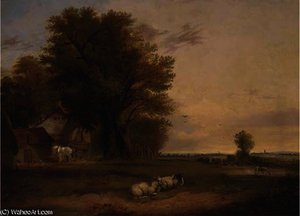
Στο μάτι της γκαλερί, το πιο διάσημο έργο του Edward Charles Williams είναι το A Gypsy Encampment. Ο A Tranquil Backwater και ο The Encampment ολοκληρώνουν το τρίο που κάθε μάτι αναγνωρίζει. Από τα 38 έργα του Edward Charles Williams στον κατάλογό μας, η γκαλερί παρουσιάζει παρακάτω τα 37 πιο διάσημα, όπου κάθε ένα είναι πρωτότυπο, με την χρονολογία του, το μουσείο του και το τι το κάνει μοναδικό.

1807 – 1881, London Περισσότερα έργα: Anglesey Abbey

Τα 10 κορυφαία έργα του Edward Charles Williams στη γκαλερέι

6
Spectacular Captain Soul: CAPTIVES OF THE COSMIC MAYFLOWER, Chapter 1 (1960) του Edward Charles Williams

Spectacular Captain Soul: CAPTIVES OF THE COSMIC MAYFLOWER, Chapter 1

1960 · Atlanta Contemporary, Atlanta

Charles Williams (1942-1998) was born in Blue Diamond, Kentucky, a place he described as a “little old country hick town in coal mining territory, eight miles from Hazard, Kentucky, back up in the hollow where the blacks lived.” As a child, Williams taught himself to draw by copying comic book figures like Superman, Dick Tracy, and Captain Marvel. Shown here is a of an early issue of Williams’ first original…

Πάينτα του Edward Charles Williams, κατάταξη από 11 έως 37

Τα θέματα που κίνησαν το ενδιαφέρον του Edward Charles Williams

Τα τέσσερα θέματα που εμφανίζονται πιο συχνά σε αυτά τα πρωτότυπα έργα, το καθένα με το εξαιρετικό του παράδειγμα.

Τα μουσεία που διατηρούν τα πρωτότυπα έργα του Edward Charles Williams

Τα 2 μουσεία που φιλοξενούν το μεγαλύτερο μέρος των έργων σε αυτήν τη σελίδα.

Μουσείο Πόλη Έργα του Edward Charles Williams Πάτρια από αυτή τη λίστα
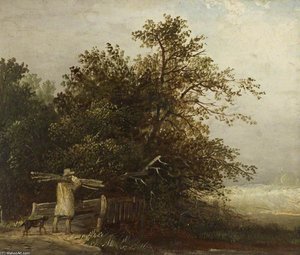
Anglesey AbbeyAnglesey Abbey 3 Mother And Child On A Track By A Coppice, A Country Lane, A Man Crossing A Bridge Carrying A Bundle Of Sticks
Atlanta Contemporary, AtlantaAtlanta Contemporary Atlanta 1 Spectacular Captain Soul: CAPTIVES OF THE COSMIC MAYFLOWER, Chapter 1

Οι πίνακες του Edward Charles Williams: οι απαντήσεις της γκαλερί

Ποιο έργο του Edward Charles Williams είναι το πιο διάσημο από όλα;Αποκαλύψτε την απάντηση

Το A Gypsy Encampment. Στη συνέχεια ακολουθούν το A Tranquil Backwater και το The Encampment.

Ποιες είναι τα 10 κορυφαία έργα του Edward Charles Williams;Αποκαλύψτε την απάντηση

A Gypsy Encampment, A Tranquil Backwater, The Encampment, Landscape -, Mother And Child On A Track By A Coppice, Spectacular Captain Soul: CAPTIVES OF THE COSMIC MAYFLOWER, Chapter 1, Noon Day Rest, Figures By A Cottage, Landscape και A Village In The New Forest. Η κατάταξη παραπάνω αναγράφει το έτος και το μουσείο για το κάθε έργο.

Πόσα έργα δημιούργησε ο/η Edward Charles Williams;Αποκαλύψτε την απάντηση

Ο κατάλογός μας περιλαμβάνει 38 έργα του Edward Charles Williams.

Πού εκτίθενται τα πιο διάσημα πρωτότυπα του Edward Charles Williams;Αποκαλύψτε την απάντηση

Κυρίως σε Anglesey Abbey και Atlanta Contemporary (Atlanta). Ο πίνακας μουσείου παραπάνω τους περιλαμβάνει όλους.

Ποια θέματα επέλεξε πιο συχνά ο Edward Charles Williams;Αποκαλύψτε την απάντηση

Landscape (12), Cottages (6) και Wood (5), σε συνολικά 37 έργα σε αυτήν τη σελίδα.

Ποια πρωτότυπα έργα του Edward Charles Williams διαθέτει το Anglesey Abbey;Αποκαλύψτε την απάντηση

Mother And Child On A Track By A Coppice, A Country Lane και A Man Crossing A Bridge Carrying A Bundle Of Sticks: το Anglesey Abbey διαθέτει 3 από τα έργα σε αυτήν τη σελίδα.

Edward Charles Williams: ο καλλιτέχνης

Edward Charles Williams: A Tranquil Vision of Victorian England

Edward Charles Williams (1807 – 1881) stands as a prominent figure within the Williams family of painters—a lineage celebrated for its dedication to capturing the serene beauty of rural landscapes during the Victorian era. Unlike many artists of his time consumed by grand narratives or dramatic portraits, Williams focused intently on portraying the quiet dignity of English countryside, establishing himself as one of the foremost practitioners of this distinctive artistic style. His work reflects not only technical mastery but also a profound sensitivity to atmosphere and light—elements that continue to resonate with viewers today.
  • Early Life & Family: Born in London, Williams’s artistic inclination stemmed from his father, Edward Williams (1781–1855), who himself was a respected landscape painter. This familial connection instilled within him a deep appreciation for the art form and fostered an unwavering commitment to its pursuit. Despite lacking formal instruction beyond his father's tutelage, Williams absorbed invaluable knowledge through observation and practice—a testament to the enduring power of mentorship.
  • Style & Technique: Williams’s artistic style is characterized by meticulous detail and a masterful use of glazing techniques—methods employed by his father and subsequently adopted by him. These techniques allowed for subtle gradations of color, creating luminous effects that conveyed an unparalleled sense of realism. His canvases depict scenes of Cumberland, Kent, Surrey and the Thames with remarkable accuracy, capturing not merely visual appearances but also the intangible qualities of light and air.
  • Notable Works: Among Williams’s most celebrated paintings are “Mother And Child On A Track By A Coppice,” “Barges on the Thames at Dusk, With Windsor Castle Beyond” and “Springer in The Bracken.” Each piece exemplifies his signature style—a harmonious blend of observation, draughtsmanship, and atmospheric rendering. Sadly, three of these works remain unaccounted for after World War II, highlighting the fragility of artistic heritage.
  • Influence & Legacy: Williams’s contribution to landscape painting is undeniable. He helped solidify the Barnes School tradition—a movement that championed a particular aesthetic rooted in Dutch landscape art—and his paintings continue to inspire admiration for their understated elegance and profound connection to the natural world. His dedication to capturing the essence of rural England cemented his place as one of the most influential artists of his era.

Collaborations & Family Life

Williams’s artistic endeavors extended beyond solitary pursuits; he engaged in fruitful collaborations with fellow artist William Shayer, where he would meticulously render the landscape while Shayer skillfully incorporated figures and animals into the composition—a technique that further enriched his artistic vision. His personal life was marked by marriage to Mary Ann Challenger in 1839, followed by the birth of their daughter Alice Williams shortly thereafter. Despite experiencing tragedy with Mary Ann’s untimely death in 1857, Williams persevered and married Sarah Susanna Horley ten years later—establishing a stable family unit that nurtured his artistic creativity.

Later Years & Artistic Evolution

Following the loss of his second wife, Williams experienced a notable shift in his artistic focus—moving away from expansive vistas towards smaller canvases depicting intimate scenes of domestic life. These paintings reflect a contemplative mood and convey a palpable sense of melancholy—a characteristic that has fueled ongoing scholarly debate regarding the psychological undercurrents informing his oeuvre. The disappearance of three of his later works underscores the challenges faced by preserving artistic treasures amidst turbulent historical periods.

Recognition & Enduring Appeal

Williams’s paintings are now highly sought after by collectors and museums alike—a testament to their enduring aesthetic qualities and their ability to evoke a timeless appreciation for the beauty of rural England. His meticulous draughtsmanship, combined with his masterful use of glazing techniques, ensures that his landscapes continue to captivate audiences worldwide—solidifying his legacy as one of the most revered artists of the Victorian era.