


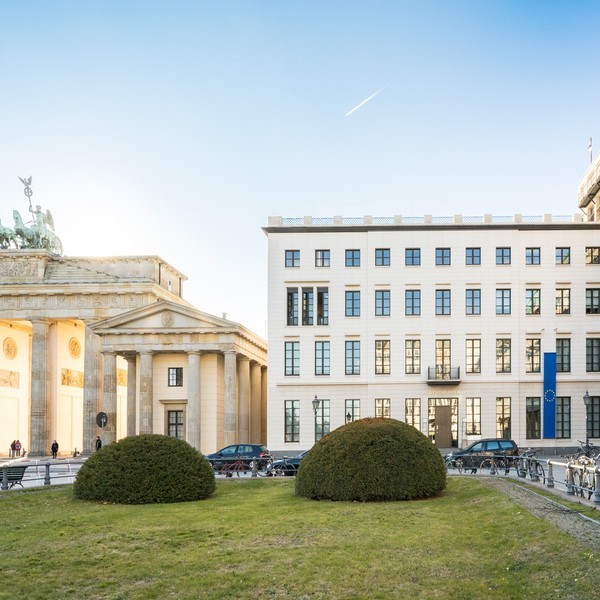
Ein Leuchtfeuer deutscher Kunst und des Gedenkens
Eingebettet in das pulsierende Herz Berlins, unmittelbar neben dem ikonischen Brandenburger Tor, steht die Stiftung Brandenburger Tor als ein tiefgreifendes Zeugnis für den beständigen künstlerischen Geist Deutschlands und seine Fähigkeit zur Wiedergeburt. Mehr als nur eine bloße Sammlung von Artefakten, dient diese Institution als lebenswichtige Brücke zwischen den schweren Schatten der Geschichte und dem lebendigen Licht des zeitgenössischen kulturellen Dialogs. Die Stiftung residiert in den ehrwürdigen Mauern des Max Liebermann Haus , eines Bauwerks, das selbst ein Meisterwerk der Moderne ist. Entworfen von der legendären Erich Mendelsohn im Jahr 192ﻤ, bietet dieses vom Bauhaus inspirierte Anwesen ein architektonisches Erlebnis, das durch sein hoch aufragendes Atrium und weitläufige Fenster definiert wird. Diese laden das wechselnde Berliner Licht dazu ein, über die Oberflächen zu tanzen, und spiegeln so die Mission des Museums wider, die Evolution der deutschen Identität zu beleuchten.
Meisterwerke der Emotion und Identität
Die Seele der Sammlung liegt in ihrer akribischen Kuration deutscher Meisterwerke, die die transformativen Epochen von der Romantik bis hin zur rohen Intensität des Expressionismus umspannen. Besucher sind eingeladen, durch eine Erzählung nationaler Emotionen zu wandern und dabei auf Werke von Größen zu treffen, welche die Grenzen der Wahrnehmung neu definierten. Man kann die Institution nicht betreten, ohne von der Ausdruckskraft eines Ernst Ludwig Kirchner berührt zu werden. Sein monumentales Gemälde, Brandenburger Tor in Berlin , fängt das historische Monument der Stadt mit einem Gefühl feierlicher Erhabenheit ein und nutzt kühne, rhythmische Pinselstriche sowie eine gedämpfte Palette, um das psychologische Gewicht der Vergangenheit einer Nation zu vermitteln.
Im Gegensatz zur urbanen Spannung, die in Kirchners Werk zu finden ist, bietet die Sammlung die feine Präzision von Max Liebermann , dessen Porträtserien meisterhaft die inneren Leben seiner Motive entlarven und menschliche Verletzlichkeit durch subtiles Licht und Schatten offenbaren. Diese Werke schaffen, zusammen mit den provokanten Stücken von Otto Dix und Georg Baselitz , einen Dialog, der sowohl zutiefst persönlich als auch weitgehend historisch ist. Für den Sammler oder den Innenarchitekten stellt die Institution einen Gipfel ästhetischer Inspiration dar und bietet einen tiefen Einblick in die Frage, wie Bewegung, Farbe und Form den Zeitgeist einer Ära verkörpern können.
Ein lebendiger Dialog mit der Gegenwart
Was die Stiftung Brandenburger Tor wahrhaft auszeichnet, ist ihre Weigerung, innerhalb der Grenzen der Vergangenheit statisch zu bleiben. Während sie die Meister des deutschen Erbes ehrt, lebt die Stiftung von der Energie der Gegenwart durch temporäre Ausstellungen, die drängende soziale und politische Themen aufgreifen. Diese kuratierten Schauen dienen als intellektuelle Schmelztiegel, die kritische Reflexionen über zeitgenössische Fragen anregen und einen Raum schaffen, in dem Kunst auf Aktivismus trifft. Durch ihre internationalen Partnerschaften und robusten Bildungsinitiativen pflegt die Stiftung weiterhin eine globale Wertschätzung für die transformative Kraft der Kunst und stellt sicher, dass das Erbe deutscher Kreativität eine lebendige, atmende Kraft in der modernen Welt bleibt.


