Ein verlorenes Juwel Winterthurs: Das Vermächtnis des Museums Briner und Kern
Im Herzen von Winterthur, Schweiz, existierte einst ein Refugium spezialisierter Schönheit, bekannt als das Museum Briner und Kern. Obwohl seine Türen für die Öffentlichkeit dauerhaft geschlossen geblieben sind, bleibt das Museum ein bewegendes Kapitel in den Annalen der europäischen Kunstgeschichte. Es repräsentiert eine einzigartige Vision der Bewahrung, die darauf abzielte, die Kluft zwischen nordeuropäamerikanischer Meisterschaft und schweizerischer kultureller Identität zu überbrücken. Es war nicht bloß eine Galerie, sondern ein kuratierter Dialog zwischen den Epochen, in dem die dramatischen Schatten des Goldenen Zeitalters der Niederlande auf die zarte Präzision der Schweizer Porträtkunst trafen. Für den anspruchsvollen Sammler oder Liebhaber feinster Details beschwört die Erinnerung an das Museum ein wunderbares Gefühl der Intimität herauf – ein Ort, an dem Kunst nicht in überwältigender Breite, sondern mit einer tiefgründigen, konzentrierten Tiefe präsentiert wurde, die zur stillen Kontemplation einlud.
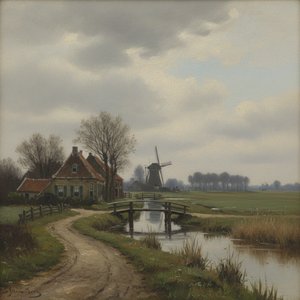
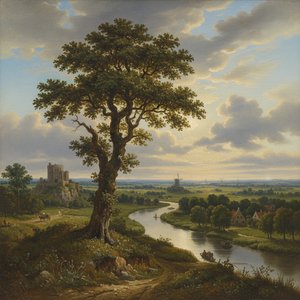
Die Seele der Sammlung lag in ihrer atemberaubenden Meisterschaft der niederländischen Alten Meister. Besucher wurden durch Werke, die durch die Technik des Chiaroscuro gekennzeichnet waren, in das siebzehnte Jahrhundert versetzt, wo Licht und Schatten über die Leinwand tanzen, um die Vergänglichkeit des Daseins zu offenbaren. Das Museum beherbergte Schätze, welche die Essenz der Vanitas verkörperten – Mahnmale der Sterblichkeit, gehüllt in opulente Texturen. Von den akribischen Genreszenen Pieter de Hoochs und Adriaen van Ostade bis hin zu den atmosphärischen Landschaften Jacob van Ruisdaels bot jedes Stück ein Fenster in eine Welt von bemerkenswertem Realismus und psychologischer Komplexität. Diese Gemälde, mit ihrer Fähigkeit, alltägliche Häuslichkeit in etwas Tiefgründiges zu verwandeln, boten ein unvergleichliches Erlebnis für all jene, die nach der stillen Brillanz der barocken Ästhetik suchten.
Miniaturwunder und schweizerische Identität
Jenseits der großformatigen Leinwände der niederländischen Meister bewahrte das Museum Briner und Kern einen höchst unverwechselbaren und bezaubernden Schatz: eine außergewöhnliche Zusammenstellung von Miniaturmalereien. Diese winzigen Wunderwerke, oft auf Elfenbein oder Schildpatt ausgeführt, verlangten den Schöpfern ein fast übermenschliches Maß an Präzision ab. Sie zu betrachten bedeutete, den Triumph des Könnens über die Größe mitzuerleben, während sich winzige mythologische Erzählungen und intime Porträts mit erstaunlicher Klarheit entfalteten. Diese Faszination für das Minimale wurde durch einen engagierten Fokus auf die Schweizer Kunst des 18. und 19. Jahrhunderts ergänzt.
Durch Werke von Künstlern wie Johann Christian Zellner feierte das Museum die Entwicklung einer nationalen Identität und webte Themen alpiner Landschaften und klassischer Porträtkunst zusammen, welche den wechselnden Geist der Schweizer Landschaft widerspiegelten. Die Sammlung war ein lebenswichtiges Depot für die Vermächtnisse von Jakob Briner und Emil Kern und schuf eine Umgebung, in der Gelehrte sich tiefgehend mit Nischennarrativen der Geschichte auseinandersetzen konnten. Während die Institution mit der Last der finanziellen Nachhaltigkeit kämpfte und schließlich Ende 2014 schloss, bleibt ihr künstlerischer Geist durch ihr Erbe bestehen:
- Das Goldene Zeitalter der Niederlande: Eine tiefgründige Sammlung mit Meistern wie Rembrandt, Pieter Claesz, Jan Both und Samuel van Hoogstraten.
- Miniaturkunst: Eine unvergleichliche Sammlung winziger, detaillierter Werke auf kostbaren Materialien wie Elfenbein.
- Schweizer Erbe: Eine Feier der Schweizer Landschaften und Porträtkunst des 18. und 19. Jahrhunderts.
Heute bleibt die Erinnerung an diese Institution ein Zeugnis für die Kraft kuratierter Fokussierung. Während viele ihrer kostbaren Bestände neue Heimstätten gefunden haben – einige verweilen vorübergehend im geschätzten Oskar Reinhart Forum –, inspiriert das Wesen der Briner- und Kern-Sammlungen weiterhin all jene, die Schönheit im Akribischen und im Tiefgründigen finden.