Partido Nacionalista: The Enduring Legacy of Philippines’ Oldest Political Party
The Partido Nacionalista, established in 1907, stands as a singular testament to Philippine history—a political force that dominated the nation's trajectory for much of the twentieth century. More than just a party, it embodies a vision of Filipino identity rooted in independence and resilience against colonial rule, shaping the very contours of Southeast Asian politics. Its story is interwoven with figures like Manuel Quezon and Sergio Osmena, architects of the Commonwealth era and champions of constitutional reform, cementing its place as “The Grand Old Party.”
- Origins & Founding: Born amidst the fervor of Filipino nationalism following the Philippine-American War, the Partido Nacionalista emerged from a coalition of intellectuals and reformers determined to forge a path toward self-governance. Its initial leadership comprised prominent figures advocating for reforms within the American colonial administration.
- Ideological Core: At its heart lay a staunch commitment to republican ideals—a belief in popular sovereignty and constitutional government—contrasting sharply with the prevailing monarchical tendencies of Europe at the time. This conviction fueled debates about the nation’s future, prioritizing national unity over regional divisions.
- The Quezon Era & Commonwealth Governance: Manuel Quezon ascended to presidency in 1935, ushering in a period marked by careful negotiation with Washington and bolstering Filipino institutions. The Partido Nacionalista skillfully navigated these complexities, securing crucial international alliances during World War II and laying the groundwork for Philippine independence.
- Marcos’ Dominance & Transformation: Ferdinand Marcos seized power in 1965, transforming the Partido Nacionalista into a bastion of authoritarian rule—a move that profoundly impacted Filipino society and politics. Despite criticisms regarding human rights abuses, Marcos skillfully utilized propaganda to portray himself as defender of national interests.
- Contemporary Relevance: Though diminished in electoral prominence since Marcos’ downfall, the Partido Nacionalista continues to hold sway within Philippine political discourse. Its enduring influence stems from its historical role in shaping Filipino identity and its steadfast adherence to conservative principles—a legacy that persists into the 21st century.
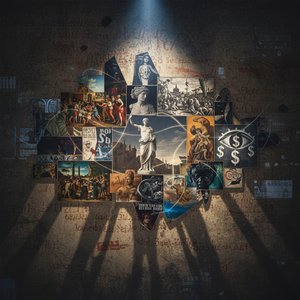
Artistic Influences & Symbolism
The Partido Nacionalista’s visual representation often incorporated elements of Philippine heraldry, reflecting a desire for national unity and honoring ancestral traditions.
Color palettes favored bold hues—particularly red and blue—symbols of courage and patriotism—reflecting the party's commitment to defending Filipino sovereignty.
Imagery frequently depicted scenes of Filipino heroism—drawing inspiration from historical narratives of resistance against colonial oppression—affirming a collective memory of struggle and triumph.
Notable Achievements & Historical Impact
The Partido Nacionalista spearheaded the drafting and ratification of the Philippine Constitution in 1935, establishing a framework for democratic governance that endured through decades of political upheaval.
Its leadership during World War II ensured the survival of Filipino institutions amidst Japanese occupation—a feat attributed to strategic alliances and unwavering determination.
The Partido Nacionalista’s stewardship of Philippine economic development fostered industrial growth and improved living standards—albeit unevenly distributed—leaving an indelible mark on the nation's socioeconomic landscape.
Legacy & Enduring Symbolism
Despite facing challenges in recent electoral cycles, the Partido Nacionalista retains a powerful symbolic resonance within Filipino culture—representing continuity of tradition and steadfast defense of national values.
Its enduring presence serves as a reminder of the formative role played by nationalist thinkers and activists in shaping Philippine history—a legacy that continues to inspire debates about the nation’s future direction.
Contemporary Debate & Future Prospects
Ongoing discussions center on the Partido Nacionalista's role in addressing pressing social issues—such as poverty alleviation and economic inequality—and its capacity to adapt to evolving political dynamics.
Analysts contend that the party’s future hinges upon its ability to forge alliances across ideological divides—a task complicated by deep divisions within Philippine society.