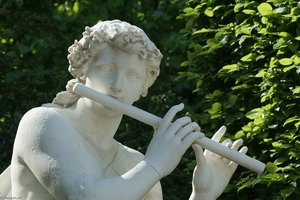
Der Bildhauer von Versailles: Das Leben und das Erbe von Jean-Baptiste Tuby
Im goldenen Zeitalter des französischen Barock hallen nur wenige Namen mit so viel Grandezza und architektonischem Glanz wider wie der von Jean-Baptiste Tuby. Geboren 1635 in Rom als Giambattista Tubi, waren seine Ursprünge tief in der klassischen Meisterschaft Italiens verwurzelt. Diese römische Erziehung verlieh ihm ein tiefgreifendes Fundament in den humanistischen Idealen der Antike und förderte eine künstlerische Sensibilität, die später die visuelle Sprache des französischen Hofes definieren sollte. Ausgebildet unter dem legendären Alessandro Algardi, verinnerlichte Tuby eine Technik, die auf akribischer Beobachtung und anatomischer Präzierung beruhte – Qualitäten, die es ihm ermöglichten, die Brücke zwischen italienischem Dynamismus und dem aufkommenden französischen Klassizismus zu schlagen.
Sein Weg von den Straßen Roms bis in das Herz der französischen Monarchie ist ein Zeugnis seines außergewöhnlichen Talents. Nach seiner Ankunft in Frankreich nach 1660 wurde Tubys Karriere durch die Schirmherrschaft von Ludwig XIV. rasant vorangetrieben. Zunächst von der prestigeträchtigen Gobelin-Manufaktur unter der Leitung von Charles Le Brun engagiert, wandelte er sich von einem dekorativen Künstler zu einem preisgekrönten Bildhauer von unvergleichlichem Einfluss. Seine Einbürgerung als französischer Staatsbürger im Jahr 1672 markierte mehr als nur eine Änderung des rechtlichen Status; sie signalisierte seine vollständige Integration in den künstlerischen Motor, der die Vision des Sonnenkönigs von absoluter Macht und ewigem Ruhm antrieb.
Ein Meister der Bewegung und der mythologischen Pracht
Das wahre Genie Tubys liegt in seiner Fähigkeit, kaltem Stein und schwerer Bronze Leben einzuhauchen. Sein skulpturaler Stil ist ein atemberaubender Dialog zwischen der überschwänglichen Energie des Barock und der disziplinierten Eleganz des Louis-quatorze-Stils. Im Gegensatz zu vielen seiner Zeitgenossen, die zu starren, stilisierten Formen neigten, strebte Tuby einen strengen Realismus an. Er besaß die unheimliche Fähigkeit, die subtile Spannung eines Muskels, die fließende Anmut einer Geste und das eigentliche Wesen der Bewegung einzufangen, wodurch er seinen Werken eine spürbare, lebendige Energie verlieh, die ihr materielles Gewicht zu überwinden scheint.
Nirgends ist diese Meisterschaft deutlicher zu erkennen als in den Gärten von Versailles. Tuby war maßgeblich an der Gestaltung der Landschaft des berühmtesten Palastes der Welt beteiligt und schuf monumentale Werke, die als allegorische Erweiterungen der Göttlichkeit des Königs dienten. Zu seinen bedeutendsten Beiträgen gehören:
- Das Apollobecken: Eine spektakuläre vergoldete Bleiskulptur von Apollo und seinem Streitwagen, die als Zentrum des mythologischen Dramas fungiert.
- Die Flussstatuen: Die kraftvollen Bronzefiguren der Flüsse Saône und Rhône, die das zentrale Becken mit ihrer gebieterischen Präsenz verankern.
- Mythologische Allegorien: Eine Serie komplizierter Skulpturen mit Figuren wie Flora, die dazu geschaffen wurden, die üppigen Bouquets und abgeschlossenen Gärten des Parks zu beleben.
Historische Bedeutung und ein fortwährender künstlerischer Geist
Über die Brunnen von Versailles hinaus reichte Tubys Wirken bis in das Sakrale und das Gedenkende. Er arbeitete mit anderen Titanen der Ära, wie etwa Antoine Coysevox, zusammen, um tiefgründige Werke wie das Grabmal von Mazarin zu vollenden. Seine Fähigkeit, sowohl die öffentlichen, theatralischen Anforderungen königlicher Gärten als auch die ernsten, intimen Bedürfnisse von Grabmonumenten zu meistern, zeugt von einer bemerkenswerten Vielseitigkeit. Ob er nun Marmorvasen schnitzte oder Bronzestatuen für das Ehrenmal des Marschalls Turenne goss – seine Hand blieb in ihrem Streben nach Perfektion stets beständig.
Während er durch das späte siebzehnte Jahrhundert wirkte, wurde Tubys Werk zu einem Eckpfeiler der französischen Identität und half dabei, einen nationalen Stil zu etablieren, der sowohl anspruchsvoll als auch imposant war. Obwohl er 1700 in Paris verstarb, bleibt sein Erbe fest in das Gefüge der europäischen Geschichte eingeschrieben. Wer heute durch die Gärten von Versailles wandelt, begegnet dem Geist von Tubys Fantasie – einer Welt, in der Mythos und Realität durch die Präzision eines Meisters verschmelzen, der genau wusste, wie man das Ewige vergänglich erscheinen lässt.