Giuseppe Rusnati: Sculptor of Milanese Grandeur
Giuseppe Rusnati (1650 – 1713) occupies a prominent position within the annals of Lombard Baroque sculpture, representing the opulent artistic sensibilities of his time and leaving an unmistakable imprint upon some of Italy’s most revered architectural monuments. Born in Gallarate, nestled near Milan, Rusnati's artistic trajectory commenced under the watchful guidance of Ercole Ferrata, establishing him firmly within the influential artistic currents circulating throughout Northern Italy. This formative apprenticeship instilled foundational skills before he accepted a mentorship from Camillo Rusconi around 1673, fostering collaborative endeavors and deepening his comprehension of sculptural methodologies.
Rusnati’s renown ascended during his lifetime owing to prestigious commissions undertaken for esteemed institutions such as the Duomo di Milano and the Certosa di Pavia – projects that eloquently encapsulate the grandeur and ambition characteristic of Baroque artistic expression. His involvement in the Sacri Monti of Piedmont and Lombardy further solidified his legacy, contributing substantially to monumental religious sculptures conceived to elicit profound awe and fervent devotion. Particularly noteworthy was his role in embellishing Santa Maria della Passione in Milan with elaborate facades, demonstrating his unparalleled mastery of marble carving and sculptural composition techniques.
Rusnati’s artistic style is characterized by its dynamism and expressive realism—traits inextricably linked to the Baroque tradition. He skillfully deployed methods like contrapposto (offset weight distribution) to infuse figures with palpable movement and vitality, capturing subtle nuances of emotion and conveying spiritual depth. Drawing inspiration from luminaries such as Bernini and Caravaggio, Rusnati embraced dramatic illumination and theatrical staging to amplify visual impact and captivate viewers’ imaginations. His sculptures are celebrated for their meticulous detail and consummate craftsmanship—reflecting the highest attainable standards of artistic excellence.
Rusnati's contribution transcends individual artworks; he actively shaped the artistic panorama of Milanese Baroque. He nurtured a stimulating creative milieu where young sculptors like Camillo Rusconi could cultivate their talents, guaranteeing the continuation of Lombard sculptural prestige. His enduring influence resonates through subsequent generations of artists who venerated his stylistic innovations and embraced his unwavering commitment to portraying religious narratives with profound emotional resonance. Giuseppe Rusnati remains an artist whose sculptures continue to inspire admiration for their beauty and artistic integrity—testaments to a remarkable talent and a significant chapter in Italian art history.
- Notable Commissions: Duomo di Milano, Certosa di Pavia, Sacri Monti of Piedmont & Lombardy
- Influences: Ercole Ferrata, Camillo Rusconi, Bernini, Caravaggio
- Technique: Contrapposto, Dramatic Lighting
- Historical Significance: Embodied Baroque Grandeur; Shaped Milanese Artistic Landscape
Early Training and Influences
Rusnati’s formative years were marked by a rigorous apprenticeship under Ercole Ferrata, a celebrated sculptor whose teachings instilled in him the foundational principles of artistic technique and stylistic sensibility. This initial mentorship proved invaluable as it provided Rusnati with the bedrock upon which to construct his subsequent artistic endeavors. Simultaneously, he benefited from the guidance of Camillo Rusconi, fostering collaboration and broadening his understanding of sculptural approaches—a partnership that would prove instrumental in shaping his distinctive artistic voice. The influence of artists like Bernini and Caravaggio – masters renowned for their dramatic compositions and masterful use of light – profoundly impacted Rusnati’s stylistic inclinations, propelling him toward a theatrical aesthetic characterized by heightened visual impact and emotional engagement.
Major Achievements: Shaping Milanese Baroque
Rusnati achieved considerable renown during his lifetime primarily through his involvement in monumental architectural projects—most notably the Duomo di Milano and the Certosa di Pavia – endeavors that epitomized the grandeur and ambition emblematic of Baroque artistic aspiration. His contribution to the Sacri Monti of Piedmont and Lombardy further cemented his legacy, resulting in magnificent religious sculptures designed to inspire reverence and devotion amongst viewers. Furthermore, Rusnati played a pivotal role in adorning Santa Maria della Passione with elaborate facades—a testament to his unparalleled skill in marble carving and sculptural composition—establishing him as one of the foremost sculptors of his era.
Stylistic Characteristics
Rusnati’s artistic style is distinguished by its dynamism and expressive realism—traits deeply rooted in the Baroque tradition. He skillfully employed contrapposto (offset weight distribution) to imbue figures with movement and vitality, capturing subtle nuances of emotion and conveying spiritual depth. His sculptures are characterized by meticulous detail and consummate craftsmanship—reflecting the highest attainable standards of artistic excellence. Rusnati’s penchant for dramatic lighting and theatrical staging served to amplify visual impact and engage viewers' imaginations, mirroring the stylistic innovations championed by Bernini and Caravaggio.
Legacy
Giuseppe Rusnati’s enduring legacy extends beyond individual artworks; he fundamentally reshaped the artistic landscape of Milanese Baroque—inspiring subsequent generations of sculptors who admired his stylistic refinements and embraced his unwavering devotion to portraying religious narratives with profound emotional resonance. His sculptures continue to captivate audiences today, serving as timeless reminders of a remarkable talent and an indelible contribution to Italian art history.


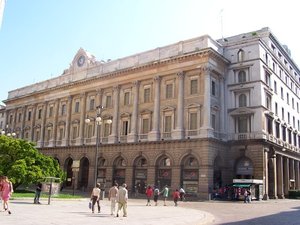 Veneranda Fabbrica del Duomo di Milano
