Giovanni Battista Fontana: A Pioneer of Austrian Baroque
Giovanni Battista Fontana (1524 – 25 September 1587) stands as a pivotal figure in the artistic landscape of Renaissance and Mannerism, transitioning seamlessly into the exuberant dynamism of the Baroque era. Born in Ala near Verona, Italy, Fontana’s formative years instilled within him an appreciation for the monumental grandeur of Titian and Veronese – masters whose stylistic innovations profoundly shaped his own artistic trajectory.
- Early Training & Influences: Fontana's artistic education was meticulously crafted around the precepts of Venetian luminism and Venetian painting. The canvases of Titian, renowned for his masterful use of color and atmospheric perspective, served as a cornerstone of his technique, while Veronese’s theatrical compositions instilled in him an understanding of dramatic narrative and opulent visual spectacle.
- Vienna & Habsburg Patronage: Fontana's artistic career gained considerable momentum through his appointment as court painter to Ferdinand II, Archduke of Austria in 1573. This prestigious patronage afforded him unparalleled access to resources and propelled him into the epicenter of Habsburg artistic ambition. His collaboration with Giulio Fontana on monumental frescoes within Schloß Schönbrunn solidified his reputation as a visionary artist.
- Schloß Schönbrunn & Frescoes: The chapel of Schloß Schönbrunn exemplifies Fontana’s genius—a breathtaking testament to Baroque grandeur. Together with his brother, Giulio Fontana, he undertook the ambitious task of adorning this imperial palace with fourteen scenes depicting the Passion of Christ. These frescoes are celebrated for their meticulous detail and emotive portrayal of biblical narratives.
- The Sphæristerion & Decorative Innovation: Fontana’s contribution to the Sphæristerion—a celestial observatory commissioned by Ferdinand II—demonstrates his fascination with scientific inquiry intertwined with artistic creativity. The intricate ceiling decorations showcased a masterful blend of geometric precision and symbolic representation, reflecting the intellectual fervor of the Habsburg court.
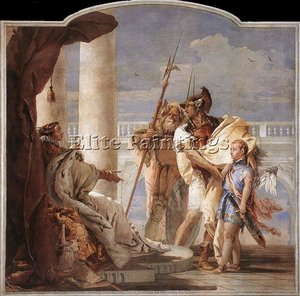
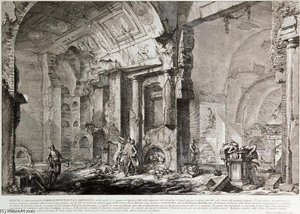
- Notable Engravings & Artistic Legacy: Beyond monumental frescoes, Fontana achieved considerable renown as an engraver. His prints—particularly “Thetis Consoling Achilles” and “Rachel Hiding The Idols From Her Father Laban”—are distinguished by their exceptional draughtsmanship and expressive tonal range. Fontana’s legacy extends beyond individual artworks; he championed the dissemination of artistic ideas through printmaking, establishing a precedent for visual storytelling that would resonate throughout subsequent generations.
Fontana's work embodies the spirit of the Baroque—a fervent embrace of theatricality, emotional intensity, and technical virtuosity. His frescoes at Schloß Schönbrunn and the Sphæristerion stand as enduring symbols of Habsburg artistic prestige, while his engravings continue to captivate audiences with their evocative beauty and profound psychological insight. Giovanni Battista Fontana remains an artist whose contributions indelibly shaped the visual culture of his time and cemented his place among the titans of European Baroque art.