Inhaltsverzeichnis


Wichtigste Fakten
- Mediums: zeichnung
- Nationality: Deutschland
- Vibe: minimalistisch
- Museums on this site: Bauhaus Dessau Foundation
- Room fit:
- büroambiente
- wohnbereich
- Movements: bauhaus-rückkehr
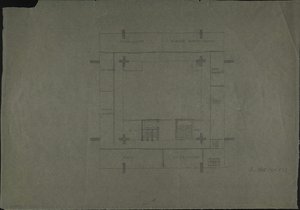
- Top-ranked work: 3. OG (Gestaltung für eine Auslandsvorstellung der DDR. Grundriss)
- Typical colors: grau
Für welches Werk ist Franz Ehrlich am bekanntesten?
Vor allem 3. OG; dann 4 Armlehnstuhl. Ein Tischbank.
Quiz
Jede Frage hat nur eine richtige Antwort.
Frage 1:
Franz Ehrlich wurde wo geboren?
Frage 2:
Welche Institution spielte eine entscheidende Rolle bei der Gestaltung von Franz Ehrlichs künstlerischer Perspektive?
Frage 3:
Welches Ereignis veränderte den Verlauf von Franz Ehrlichs künstlerischer Laufbahn erheblich?
Frage 4:
Welche der folgenden Projekte wird nicht als bedeutende Arbeit von Franz Ehrlich genannt?
Frage 5:
Bei welchem Konzentrationslager entwarf Franz Ehrlich das Schriftfeld "Jedem das Seine"?
Beiträge
Klassische Meisterwerke: 10 Kunstwerke für zeitlose Eleganz |
Entdecken Sie 10 klassische Meisterwerke von Da Vinci, Monet & Van Gogh! Erfahren Sie die Geschichten hinter berühmten Gemälden und lassen Sie sich für Ihre Wohnraumgestaltung inspirieren. Hochwertige Kunst-Reproduktionen auf .

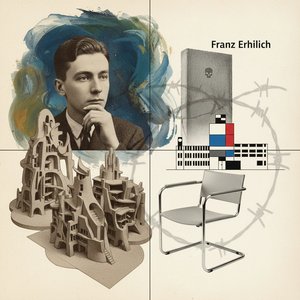
Franz Ehrlich: Bridging Expressionism, Bauhaus & the Shadows of History
Explore the life of Franz Ehrlich, a pivotal Bauhaus architect whose career spanned Expressionism, resistance during Nazi Germany, and GDR reconstruction. Discover his complex legacy & view museum-quality reproductions at OriginalUniqueArt.
Ernst Ludwig Kirchner: Urbane Ängste und die Fragmentierung der Moderne
Entdecken Sie das Werk von Ernst Ludwig Kirchner und die revolutionäre Kunst des Expressionismus! Analysieren Sie urbane Ängste, die 'Brücke' und Kirchners einzigartigen Stil. Expertenwissen & tiefe Einblicke.




Fragen & Antworten
Woher kommt Franz Ehrlich?
Deutschland
Wer ist Franz Ehrlich?
Early Life and Education Franz Ehrlich, a name synonymous with both architectural innovation and profound political engagement, was born in Reuth, Germany, in 1907. From his earliest years, a deep-seated passion for the arts ignited within him—a desire to translate vision into tangible form. This innate inclination led him to enroll at the prestigious Bauhaus school in Dessau, beginning in 1927. The Bauhaus represented more than just an educational institution; it was a crucible of artistic exp
Wann und wo wurde Franz Ehrlich geboren?
1907, Leipzig, Deutschland
Welche Farbpalette charakterisiert die Werke von Franz Ehrlich?
monochrom
Franz Ehrlich wurde wo geboren?
Reuth
Wie lange lebte Franz Ehrlich?
77 years (1907–1984)
In welchem Stil hat Franz Ehrlich gemalt?
bauhaus-rückkehr
Welches Ereignis veränderte den Verlauf von Franz Ehrlichs künstlerischer Laufbahn erheblich?
Seine Verhaftung und Inhaftierung durch die Nationalsozialisten
Welche der folgenden Projekte wird nicht als bedeutende Arbeit von Franz Ehrlich genannt?
Painting with Violin
Welche Themen prägen das Werk von Franz Ehrlich?
bauhaus influence, bauhaus design influence, architectural precision, bauhaus design principles, bauhaus principles, architectural design, bauhaus-designprinzipien, geometric abstraction, bauhaus-einfluss auf das design, graphic design precision