Introduction To step into a forest is to enter a sanctuary of shifting light and whispered secrets, a realm where the boundary between the earth and the sky becomes beautifully blurred. For centuries, the forest has served as one of the most profound...
The forest has long functioned as more than a mere collection of timber and leaf; it is a living, breathing sanctuary where the boundaries between the earth and sky become blurred. For centuries, artists have looked toward these wooded realms as mirrors for the human soul, seeking to capture the profound psychological weight found within an emerald labyrinth. These landscapes serve as sites of both primordial mystery and spiritual rebirth, documenting a shifting cultural consciousness that moves from viewing the woods as a place of danger to recognizing them as a vital, disappearing frontier.
In the broader history of natural representation, we see this evolution reflected in the way ecosystems are documented. The United Nations' Food and Agriculture Organization defines a forest by its canopy cover and tree density, yet for the painter, the definition is far more emotive. Whether it is the heavy, mist-drenched depths of a Northern landscape or the sun-drenched glades of a summer afternoon, the painted forest offers a psychological retreat from our increasingly urbanized existence.
Luminous Needles: Capturing Light and Atmosphere through Impressionism
A Symphony in Sunlight: Exploring Joaquín Sorolla’s “Pine Trees” Joaquín Sorolla y Bastida's "Pine Trees," painted in 1902, is more than just a depiction of a serene forest; it’s an embodiment of the Spanish artist’s signature style – a masterful orc...
The pursuit of capturing the fleeting vibration of atmosphere found its most profound expression in the works of the Impressionists. These artists sought to move beyond literal botanical accuracy, focusing instead on the dappled sunlight dancing across forest floors. By prioritizing the ephemeral effects of light, they transformed a single moment of shade into a complex study of color and movement.
This focus on light finds a significant historical echo in the work of Joaquín Sorolla y Bastida. In his 1902 work, Pine Trees, Sorolla orchestrates a symphony of sunlight, using the Mediterranean landscape to demonstrate how light can radiate directly from the canvas. His technique, characterized by a rapid brushstroke, builds layers of color that allow the sunlight to illuminate every needle and water reflection. This same dedication to atmospheric clarity is evident in Ivan Ivanovich Shishkin’s 1889 Pine Forest, where the vertical lines of the trees and the interplay of light create a sense of tranquil permanence.
Textured Solitude: The Emotional Resonance of Post-Impressionist Woods
A Window Into Soulful Landscape: Exploring Vincent van Gogh’s “Path Between Pine Trees” The painting "Path Between Pine Trees," created in 1889 by Vincent van Gogh during his confinement at Saint-Paul Asylum in Saint-Rémy, France, transcends mere dep...
As art moved into the Post-Impressionist era, the forest became a vehicle for deeper, more personal emotional expression. Artists began to reject the passive observation of earlier movements, instead using the texture of the landscape to convey internal states of being. The materiality of the paint itself—the thick, palpable layers of pigment—became as important as the subject matter.
A definitive example of this shift is found in Vincent van Gogh’s 1889 work, Path Between Pine Trees. Created during his time at Saint-Paul Asylum, this painting utilizes a heavy impasto technique to mirror the artist's turbulent inner life. The swirling patterns within the pine trunks suggest an instability that transcends mere landscape painting. This use of texture to communicate resilience and solitude provides a profound contrast to the more structured, light-focused approach of the earlier Impressionists, proving that the forest can be both a physical place and a psychological map.
Rhythmic Geometry: Spiritual Energy in Expressionist Forest Compositions
A Symphony of Stone and Spirit: The Living Gallery of Meiji Jingu To step into the Meiji Jingu Forest Festival of Art is to leave the frenetic pulse of Tokyo behind and enter a realm where the boundaries between human creativity and the natural world...
The transition into German Expressionism brought a further departure from naturalism, as the forest was reimagined as a rhythmic, geometric space of spiritual energy. Here, the woods were no longer just a setting but a pulsating symphony of life force, where colors were chosen for their emotional and cosmic resonance rather than their literal appearance.
This spiritualized view of nature is epiterminated in Franz Marc’s 1914 Deer in the Forest II. In this work, Marc employs a non-naturalistic palette of blues and greens to create a dreamscape where the forest vibrates with energy. The composition achieves a structural harmony through organic curves and interlocking shapes, much like the way contemporary installations at the Meiji Jingu Forest Festival of Art use the rugged textures of ancient trees to engage in a dialogue with the viewer. In both instances, the forest is treated as a living gallery where the boundaries between physical reality and spiritual perception dissolve.
Pastoral Permanence: Preserving the English Countryside through Landscape Painting
The Serene Embrace of Trees by a Landscape – A Munnings Masterpiece Sir Alfred James Munnings’s “Trees by a Landscape,” a captivating oil painting from around 1920, isn't merely a depiction of a rural scene; it’s an immersion into the heart of Englis...
In the British tradition, the depiction of woodlands often served a more commemorative purpose, acting as a way to preserve the beauty of a vanishing world. As industrialization began to erode rural life, painters sought to capture the quiet grandeur of the countryside, documenting the mature oaks and beeches that defined the English landscape.
This sense of preservation is mirrored in the archival work found at the New Forest Museum and Library in Lyndhurst. Just as the museum preserves the natural history of its UNESCO Biosphere Reserve through records and artifacts like Beatrice Potter’s 1908 embroidery, artists like Sir Alfred James Munnings used their canvases to hold onto a sense of tradition. His work, such as Trees by a Landscape, utilizes a cool palette and broken brushstrokes to convey the movement and texture of a landscape that was already beginning to face the pressures of modern change.
Curating the Wild: Integrating Forest Art into Modern Architectural Spaces
About Forest Lawn Museum Nestled within the serene grounds of Forest Lawn Memorial-Parks in Glendale, California, the Forest Lawn Museum offers a unique blend of art, history, and cultural enrichment. Established in 1952, the museum provides free adm...
Today, the integration of forest-themed art into high-end interiors is a study in environmental harmony. For the sophisticated collector or interior designer, selecting works that evoke the stillness of the woods allows for the creation of spaces that offer a vital connection to the earth's enduring rhythms. The challenge lies in balancing the heavy, tactile presence of classical oil paintings with the clean lines of contemporary architecture.
This balance is often achieved through the use of large-format works and strategic placement. Much like the Forest Lawn Museum uses its tranquil grounds to complement its collection of sculpture and stained glass, a well-curated room uses forest imagery to foster contemplation. Whether through the use of multi-panel group paintings that wrap around a corner or custom-commissioned murals that recreate the scale of a boreal forest, the goal remains the same: to bring the restorative power of the wild into the heart of the modern home. At OriginalUniqueArt.com, we specialize in these complex commissions, providing the expertise required to ensure that every brushstroke contributes to a cohesive and commanding architectural vision.
Erleben Sie die emotionale Kraft von Vincent van Gogh. Von der Sternennacht bis zu den Sonnenblumen – entdecken Sie 25 Meisterwerke des Postimpressionismus und hochwertige Kunstreproduktionen für Ihr Zuhause. Entdecken Sie alle Meisterwerke auf OriginalUniqueArt.com.
OStudio-AssistentOnline · antwortet innerhalb einer Minute
Hallo! Ich kann Ihnen dabei helfen, ein Kunstwerk auszuwählen, eine Bestellung zu verfolgen oder Fragen zur Garantie zu beantworten. Wie kann ich Ihnen heute behilflich sein?

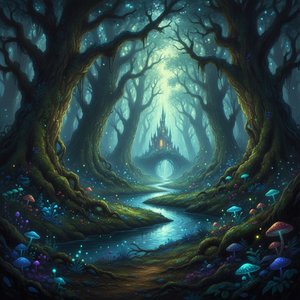 Enchanted Woodlands: Top 10 Masterpieces Exploring the Magic of Forests
 Pine Trees
 Path between Pine Trees
 Meiji Jingu Forest Festival of Art
 Trees by a Landscape
 Forest Lawn Museum


