The Roots of Order: Geometric Patterns in Ancient & Islamic Art
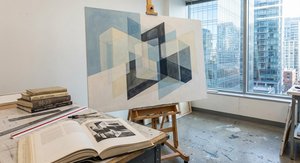
Geometric abstraction is a form of abstract art based on the use of geometric forms sometimes, though not always, placed in non-illusionistic space and combined into non-objective (non-representational) compositions. Although the genre was popularize...
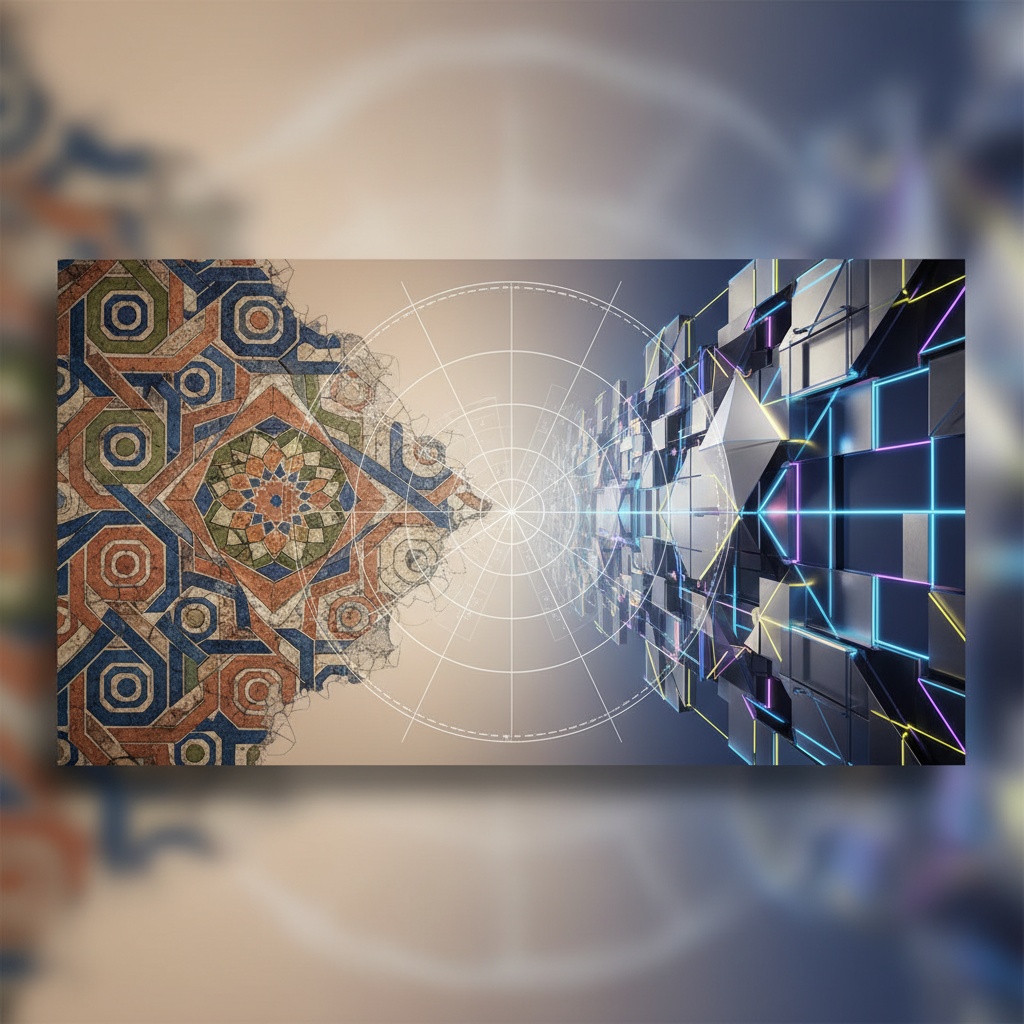
Before the advent of named movements and manifestos, a fascination with geometric forms permeated artistic expression across cultures. From the meticulously arranged mosaics of ancient Rome to the complex tilework adorning mosques, geometry wasn’t merely decorative; it was fundamental to worldview. In civilizations where figurative representation faced religious or philosophical constraints – most notably within Islam – geometric patterns flourished as a means of expressing spiritual concepts and cosmological order. The inherent mathematical precision offered a pathway to understanding the divine, mirroring perceived harmonies in the universe. These weren't simply aesthetic choices but visual embodiments of deeply held beliefs, utilizing repeating motifs, tessellations, and symmetrical designs that evoked infinity and transcendence. Consider the mesmerizing arabesques found throughout Islamic architecture; they are not random flourishes but carefully constructed systems reflecting principles of balance, proportion, and an infinite, interconnected reality. This early embrace of geometric abstraction laid a crucial foundation for later artistic developments, demonstrating a universal human impulse to find structure and meaning in form.
Cubism's Revolution: Deconstructing Form and Embracing Geometry
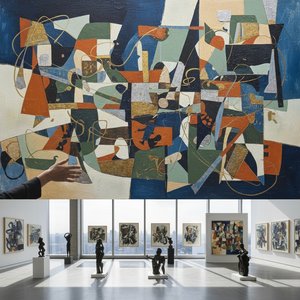
The early 20th century witnessed a seismic shift in artistic perception with the emergence of Cubism. Pioneered by Pablo Picasso and Georges Braque, this movement fundamentally challenged traditional notions of representation. Rather than striving to depict objects from a single viewpoint, Cubists fragmented forms into geometric shapes, analyzing them from multiple perspectives simultaneously. This deconstruction wasn’t an abandonment of reality but rather an attempt to represent it more comprehensively – to capture the totality of an object's presence. The initial phase, Analytic Cubism, reduced palettes to muted tones and focused on dissecting form with a linear grid structure. This process stripped away illusionistic space, emphasizing the two-dimensional surface of the canvas. Subsequently, Synthetic Cubism reintroduced color and collage elements, further flattening the picture plane and highlighting the constructed nature of art itself. This radical departure paved the way for pure abstraction, liberating artists from the constraints of mimetic representation and focusing attention on the inherent qualities of shape, line, and color.
Geometric Abstraction’s Golden Age: Mondrian, Malevich, and Beyond
Following Cubism's initial breakthroughs, geometric abstraction blossomed into a distinct movement with key figures like Piet Mondrian and Kazimir Malevich leading the charge. Mondrian, through his Neoplasticism, sought to distill art down to its most essential elements: vertical and horizontal lines combined with primary colors – red, blue, and yellow – against a white background. His compositions weren’t arbitrary arrangements but expressions of an underlying “absolute reality,” striving for universal harmony and spiritual purity. Simultaneously, Malevich in Russia developed Suprematism, pushing abstraction even further with non-objective forms floating in unstructured space. His iconic *Black Square* (1915) represented a complete rejection of representational imagery, aiming to achieve a pure, unadulterated artistic expression. These artists weren’t merely creating aesthetically pleasing compositions; they were attempting to define a new visual language capable of conveying profound philosophical and spiritual ideas. The influence of these pioneers extended beyond painting, impacting architecture, design, and typography.
Post-War Explorations: New Directions in Geometric Painting
The aftermath of World War II saw geometric abstraction evolve in diverse directions. While Mondrian’s legacy continued to inspire, artists began exploring new possibilities within the framework of non-representational form. Hard-edge painting emerged in America, characterized by precise, sharply defined shapes and clean lines executed with industrial techniques. Artists like Barnett Newman and Josef Albers focused on color field painting, emphasizing large areas of flat color and subtle variations in tone to evoke emotional responses. Simultaneously, Op Art (Optical Art) utilized geometric patterns to create illusions of movement and vibration, challenging the viewer’s perception of space and form. Salvador Dali's *Randomdot Correlogram - The Golden Fleece* (1977), though surrealist in its broader context, exemplifies this exploration of visual perception through meticulously arranged geometric elements. This period demonstrated a renewed interest in the psychological impact of color and form, moving beyond purely spiritual concerns to explore the subjective experience of viewing art.
Contemporary Resonance: Geometric Patterns in Today’s Art World
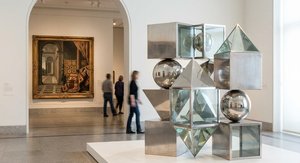
Geometric abstraction remains remarkably relevant in contemporary art. Artists continue to draw inspiration from its historical precedents while pushing boundaries with new materials, technologies, and conceptual approaches. David Klamen's compelling paintings offer postmodern explorations of experience and perception, often referencing the history of abstract painting through layered compositions and nuanced color palettes. The influence can also be seen in installations, digital art, and even street art, demonstrating its adaptability and enduring appeal. Furthermore, institutions like MACBA (Museum of Contemporary Art in Buenos Aires) actively showcase geometric abstraction alongside Latin American masterpieces by artists such as Lozza and Le Parc, highlighting the movement’s global reach and continued vitality. This ongoing engagement suggests that the fundamental principles of order, balance, and visual harmony inherent in geometric abstraction continue to resonate with both artists and audiences today.
Collecting Geometric Abstraction: Identifying Quality & Investment Potential
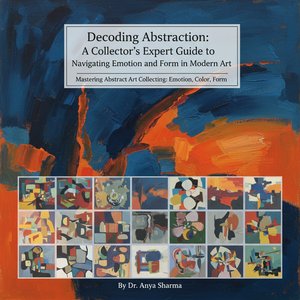
 Abstract Art's Evolution: A Collector's Guide to Its Impact & Investment Value
Explore the evolution of abstract art with . Discover key movements, influential artists & expert collecting advice. Invest in timeless masterpieces.
For collectors, geometric abstraction presents a compelling field with diverse opportunities. Identifying quality requires careful consideration beyond simply recognizing the style. Look for works that demonstrate a sophisticated understanding of composition – often employing principles like the golden ratio to create harmonious arrangements. The artist’s technical execution is crucial; clean lines, precise shapes, and thoughtful color choices are hallmarks of exceptional pieces. Researching an artist's historical context and influence is also essential. While established masters like Mondrian command high prices, emerging artists offer exciting potential for growth. Understanding the evolution of abstract art – as detailed in resources from institutions like MoMA – provides valuable insight into key movements and influential figures. Furthermore, exploring works exhibited at renowned museums such as the Buffalo AKG Art Museum can provide a benchmark for quality and aesthetic value. Ultimately, collecting geometric abstraction is about acquiring not just visually striking artworks but pieces that embody a rich history of artistic innovation and intellectual exploration. OriginalUniqueArt.com offers expert art consultation to guide collectors through this process, providing access to handmade oil paintings and museum-quality reproductions of iconic works, alongside personalized advice on selecting the perfect piece for your collection.