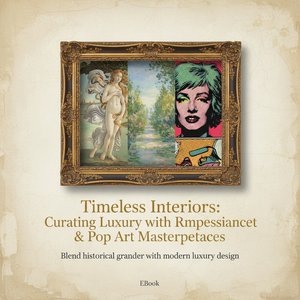
The Renaissance Foundation: Establishing Grandeur and Architectural Authority
In the realm of high-end interior design, true prestige is often anchored by the weight of history. To introduce Renaissance elements into a contemporary space is to invite an era of profound intellectual and aesthetic authority. This period was not merely about decoration; it was an exploration of humanism, proportion, and the divine geometry of nature. When a decorator selects a reproduction inspired by the masters of this age, they are doing more than hanging a painting—they are establishing a structural anchor for the room. The dramatic chiaroscary found in works reminiscent of Gian Lorenzo Bernini or the regal presence of classical portraiture provides a sense of permanence that fleeting trends cannot replicate. These pieces command attention through their balanced compositions and deep, resonant palettes, offering a foundation of stability upon which more modern layers can be built. By integrating these classical motifs, a room gains a sense of architectural gravity, transforming a mere living space into a curated sanctuary of cultural significance.Impressionist Light: Infusing Spaces with Atmosphere and Fluidity
If the Renaissance provides the bone and structure of an interior, Impressionism provides its breath and soul. Moving away from the rigid lines of classical authority, the Impressionist movement offers a masterclass in the manipulation of light and ephemeral atmosphere. For the freelance decorator, these works serve as essential tools for altering the perceived temperature and mood of a room. The soft, dappled sunlight characteristic of Claude Monet or the rhythmic, energetic brushstrokes seen in Expressionist masterpieces like Franz Marc’s "The Large Blue Horses" allow a space to feel fluid and alive. These paintings do not demand obedience; instead, they invite the eye to wander through layers of color and light. The beauty of Impressionism lies in its ability to soften hard architectural edges, introducing a sense of movement and organic grace. When placed strategically, these works can expand the perceived boundaries of a room, using light-drenched landscapes to create an illusion of infinite depth and tranquility.Pop Art Vibrancy: Injecting Modern Energy and Contemporary Contrast
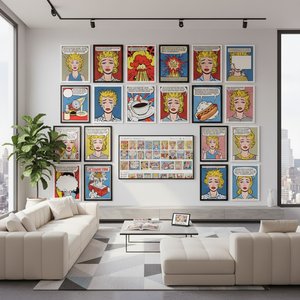
To prevent a classically inspired interior from feeling like a museum archive, one must introduce the pulse of the present. This is where Pop Art becomes an indispensable element in the decorator's repertoire. Pop Art serves as a brilliant counterpoint to the somber tones of the Old Masters and the ethereal softness of Impressionism. It brings a bold, graphic language that celebrates modern iconography, vibrant pigments, and high-contrast compositions. The introduction of such energy creates a sophisticated tension—a dialogue between the historical and the contemporary. This stylistic friction is precisely what defines modern luxury; it is the ability to juxtapose a 17th-century aesthetic with the unapologetic brightness of mid-century or contemporary pop influences. Such pieces act as focal points, injecting a sense of wit and cultural relevance that keeps an interior feeling fresh, dynamic, and decidedly unburdened by the past.Curating the Eclectic: Harmonizing Historical Eras in a Single Interior
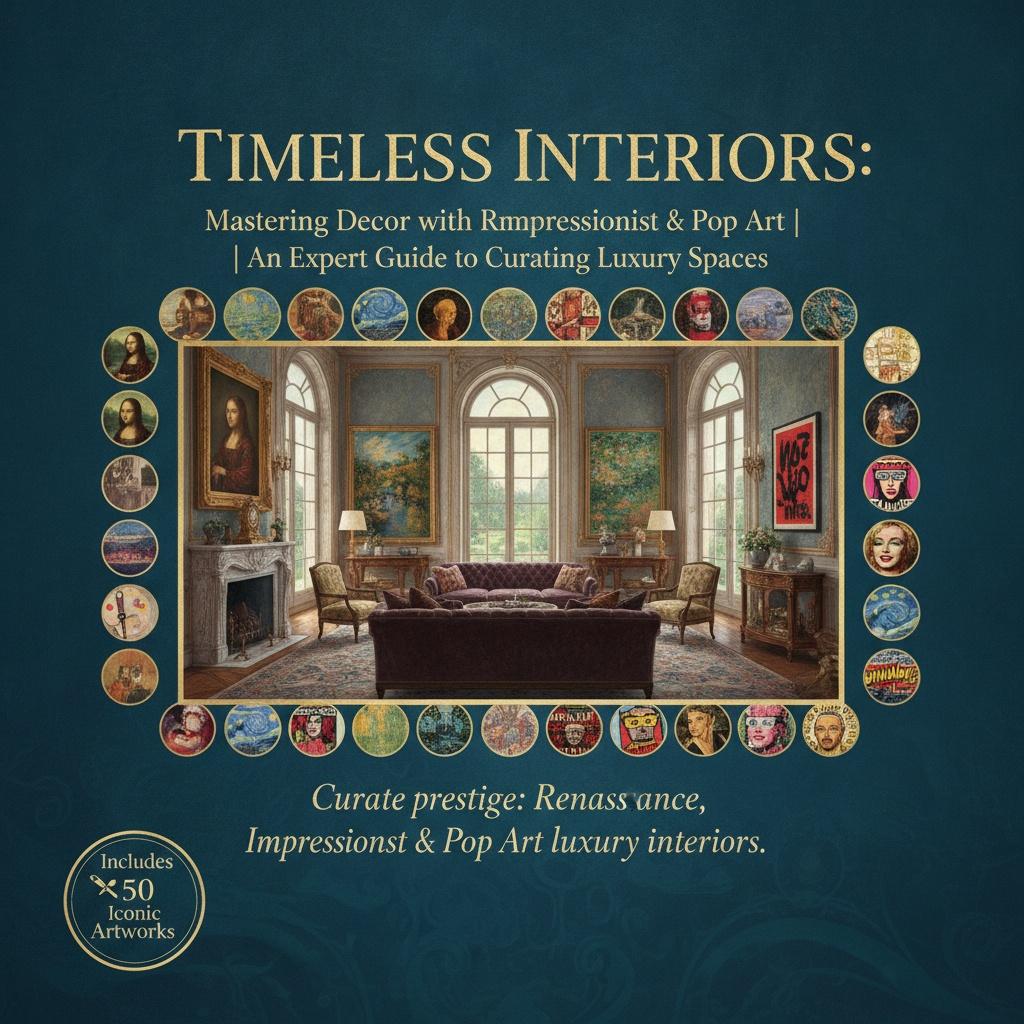
The true mark of a master decorator lies in the ability to harmonize disparate eras into a cohesive narrative. The challenge is not merely to place different styles in one room, but to weave them together so that they appear as a single, intentional composition. This requires an acute understanding of color theory and scale. One might pair the melancholic, elongated forms found in Amedeo Modigliani’s work with the structured grandeur of a Baroque-inspired frame, or use the bold primary colors of Pop Art to highlight the subtle textures of a Renaissance landscape. The key is to find common threads—perhaps a shared color palette or a recurring motif—that bridge the centuries. When executed with precision, this eclectic approach creates a layered, "collected" look that suggests a lifetime of curation rather than a single moment of shopping. It is in this intersection of time periods that the most memorable and sophisticated interiors are born.The Tactile Dimension: Elevating Design through Texture and Masterful Brushwork
Beyond color and composition, the physical presence of art provides a sensory dimension that is often overlooked in digital-first design. A truly luxurious interior engages the sense of touch through visual texture. This is where the distinction between a flat print and a Handmade Oil Reproduction becomes paramount. The depth provided by impasto techniques—where paint is applied thickly to create raised, three-dimensional ridges—adds a sculptural quality to the wall. These visible, tactile brushstrokes catch the light differently throughout the day, creating a "living" surface that responds to the environment. Whether it is the heavy, textured layers of a Van Gogh-inspired landscape or the smooth, luminous glazes of a classical portrait, the physical topography of the canvas lends an undeniable authenticity to the space. This tactile richness elevates the artwork from mere decoration to a centerpiece of craftsmanship, providing a sense of luxury that can be felt as much as it is seen.Strategic Curation: Professional Techniques for Selecting Timeless Masterpieces
For the professional decorator, selecting art is a strategic endeavor that requires both an eye for beauty and a technical understanding of longevity and placement. It begins with an assessment of the room's existing architecture and light sources. One must consider how a large-scale multi-panel set might animate a wide hallway or how a single, impactful portrait might anchor a study. Furthermore, the decorator must consider the science of preservation—ensuring that pigments are lightfast and that the materials used, such as heavy-duty cotton canvas and premium oils, will retain their brilliance for decades. The ultimate goal is to select pieces that do not merely fill a void but actively contribute to the room's story. By utilizing professional tools like digital mockups to preview compositions and consulting with experts on color analysis, the decorator can ensure that every selection is a deliberate, masterful contribution to a timeless interior landscape.About OriginalUniqueArt.com
OriginalUniqueArt.com is a global leader in fine art reproductions, specializing in bringing the world's most iconic masterpieces into modern homes and professional spaces. From 17th-century oil recreations to contemporary custom commissions, our platform connects collectors with highly skilled artists holding prestigious academy degrees. Whether you are looking for a bespoke "remix" of a personal photo or a museum-quality Giclée print, OriginalUniqueArt provides unparalleled quality, transparency through our digital tracking systems, and a 100% satisfaction guarantee to ensure your vision is realized with absolute excellence.