Introduction
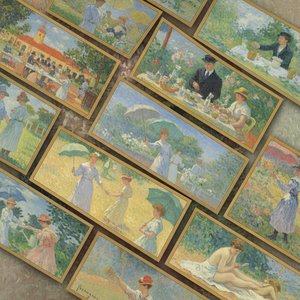
To step into the world of Impressionistic landscapes is to abandon the rigid boundaries of reality and embrace the fleeting dance of light and atmosphere. It is an invitation to witness a revolution that began in the late 19th century, where a group of visionary artists dared to move their easels out of the dim, controlled studios and into the unpredictable brilliance of the outdoors. They were not merely painting scenery; they were capturing the very pulse of a moment—the way sunlight shimmers across a lily pond, the soft haze of a morning mist, or the sudden, vibrant flicker of shadows at dusk.
Historically, this movement emerged as a profound rebellion against the strict, polished standards of the academic art world. Instead of precise lines and somber tones, these masters utilized broken brushstrokes and a luminous palette to convey sensory experiences. They sought to document the ephemeral, making the transient nature of time feel permanent on canvas. This shift changed the course of art history forever, paving the way for modernism by prioritizing perception over literal representation.
Today, these masterpieces remain deeply resonant because they speak a universal language of emotion and light. In our fast-paced, digital age, there is a profound, quiet power in looking at a canvas that celebrates the simple, unrepeatable beauty of a single afternoon. These works continue to inspire collectors and decorators alike, offering a sense of tranquility and organic texture that breathes life into any space.
In the following selection, we will guide you through ten definitive works that embody this movement. Each painting serves as a window into a different era of light, showcasing the technical mastery and emotional depth that continue to define the very essence of the Impressionistic landscape.
Rocks at Fontainebleau - Paul Cézanne
 Rocks at Fontainebleau - Paul Cézanne
In the quiet, shadowed corridors of the Fontainebleau Forest, Paul Cézanne captured a profound distillation of nature that transcends mere landscape painting. Rocks at Fontainebleau stands as an essential pillar in our selection of the top 10 masterpieces of the Impressionistic landscape movement because it represents the pivotal moment where fleeting light meets eternal form. While his contemporaries focused on the transient, Cézanne used these weathered boulders to build a structural language of earth tones, deep purples, and golden highlights, effectively bridging the gap between Impressionism and the birth of Cubism.
The painting’s power lies in its architectural weight; the rocks are not just stones, but sculptural masses that provide a sense of permanence and tranquility. This rhythmic interplay of light and shadow offers a meditative atmosphere that remains deeply influential in modern visual culture. Today, this transformative presence can be brought into any professional or personal space through high-fidelity oil reproductions, allowing you to anchor your home or office with the same enduring stability and monumental beauty found within Cézanne’s revolutionary vision.
House of the Customs Officer, Varengeville - Claude Monet
 House of the Customs Officer, Varengeville - Claude Monet
In House of the Customs Officer, Varengeville by Claude Monet, the viewer is immediately met with the palpable energy of thick, rhythmic impasto brushstrokes. Monet does not merely paint a coastal scene; he sculpts light itself upon the canvas. The weathered textures of the hilltop cabin and the rugged Normandy cliffs are rendered through rapid, visible applications of oil, where every stroke captures the salt-misted atmosphere of the Étretat coast. This technique—prioritizing the sensation of color over rigid form—is a cornerstone of the Impressionistic landscape movement, making this work a vital entry in our selection of the top 10 masterpieces that defined the era.
To experience such a piece is to feel the pulse of the sea and the warmth of the coastal sun. At OriginalUniqueArt.com, we are dedicated to preserving this tactile, three-dimensional quality for the discerning collector. Our hand-painted oil reproductions meticulously recreate these heavy textures and luminous layers, ensuring that the soul of Monet’s original vision—the very materiality of his genius—is brought into your professional or private space with uncompromising fidelity.
The green vineyard - vincent willem van gogh
 The green vineyard - vincent willem van gogh
In The Green Vineyard by Vincent van Gogh, the composition achieves a profound structural harmony that anchors its place among the top 10 masterpieces that defined the Impressionistic landscape art movement . The painting is built upon a rhythmic geometry of undulating rows and verdant shapes, where the organic lines of the vineyard create a balanced, sweeping motion across the canvas. This careful arrangement of figures and foliage provides a sense of timeless perfection, guiding the eye through a lush, emerald expanse that feels both alive and eternally still.
Beyond its historical significance, the artwork’s internal balance resonates with the principles of modern minimalist design . The way Van Gogh utilizes bold blocks of color and clear, directional movement offers a grounding element for contemporary spaces, mirroring the clean aesthetics found in high-end architectural interiors. As you observe the interplay of light and thick impasto textures, you experience more than just a landscape; you encounter a masterclass in visual stability and emotional depth that continues to inspire collectors and decorators worldwide.
Le parc de l - vincent willem van gogh
 Le parc de l - vincent willem van gogh
In Le parc de l’asile Saint-Rémy , Vincent van Gogh does not merely capture a landscape; he composes a visual sonata of resilience. Painted in 1889 during his convalescence at the Saint-Rémy asylum, this masterpiece transcends traditional Impressionistic boundaries through its profound emotional depth. The light here is not just illumination—it is a language of survival. Van Gogh uses thick, rhythmic impasto brushstrokes to sculpt the textures of towering pines and weathered stone, creating a palpable sense of movement that breathes life into the canvas.
The palette is a striking dialogue between melancholy and hope: deep emerald greens and ochre reds clash against a vibrant, rain-washed violet sky. Every element carries symbolic weight, from the lightning-struck tree reflecting his own vulnerability to the delicate rose bushes signaling enduring beauty. As you observe the balanced composition of figures wandering through this lush sanctuary, you feel the artist's attempt to reconcile inner turmoil with external splendor. This work remains a definitive pillar of the movement, inviting the viewer to find solace within its swirling, expressive energy.
Snow at Argenteuil (Neige à Argenteuil) - Claude Monet
 Snow at Argenteuil (Neige à Argenteuil) - Claude Monet
While many view the Impressionist movement through vibrant summer hues, Claude Monet’s 1875 masterpiece, Snow at Argenteuil , reveals a profound technical leap: the ability to find warmth within a frozen palette. To capture this fleeting moment, Monet moved beyond mere observation, utilizing thick impasto brushstrokes to mimic the physical weight of snow, breaking away from the flat, academic traditions of his era. This work is a cornerstone of the Top 10 Masterpieces That Defined the Impressionistic Landscape Art Movement because it proves that light is not just seen, but felt through texture and subtle color shifts—where unexpected blues and soft yellows dance across a white landscape.
The painting’s rhythmic energy and serene atmosphere offer more than historical value; they provide a sophisticated anchor for modern interiors. The tranquil stillness of this wintry scene is particularly effective for a professional study or home office, where the balanced composition and calming tones can inspire deep focus and a productive, refined atmosphere.
Path in the garden of the asylum - vincent willem van gogh
 Path in the garden of the asylum - vincent willem van gogh
In the autumn of 1889, amidst the heavy silence of Saint-Paul’s Hospital in Saint-Rémy, Vincent van Gogh captured more than just a landscape; he captured the very texture of human endurance. Path in the garden of the asylum serves as a profound window into a period of intense personal struggle and unparalleled artistic revelation. As one of the top masterpieces that defined the Impressionistic landscape art movement , this work transcends traditional boundaries to become an intimate psychological portrait.
The composition is a masterclass in directed movement, where a diagonal path leads the eye deep into a dense tangle of greenery, suggesting a journey toward serenity. Van Gogh’s signature use of impasto —the thick, sculptural application of oil paint—gives the foliage a tactile, living quality that makes the atmosphere feel palpable. The palette of earthy ochres and muted greens creates a rhythmic, vibrating energy. For the modern collector or professional decorator, this piece offers a commanding focal point, bringing a sense of historical depth, structural complexity, and reflective calm to any sophisticated interior space.
Étretat, mer agitée, 1883 - Claude Monet
 Étretat, mer agitée, 1883 - Claude Monet
To stand before a masterpiece is to witness a moment frozen in time, yet vibrating with life. In Étretat, mer agitée, 1883 by Claude Monet , we encounter the very heartbeat of the Impressionistic landscape movement. This work transcends mere coastal scenery, capturing the raw, kinetic energy of a Normandy storm through revolutionary technique. Monet abandons static realism for a visceral dialogue with nature, utilizing thick, textured impasto brushstrokes that allow the crashing waves and rugged cliffs to physically emerge from the canvas.
The palette is a masterclass in atmospheric light; deep violets and blues collide with sudden flashes of sunlight, creating a sense of ephemeral movement. By focusing on the interplay of shadow and salt spray, Monet transforms a turbulent sea into a profound symbol of human resilience. As one of the top 10 masterpieces defining this era, this painting remains a cornerstone for collectors. Its ability to evoke the scent of sea air and the roar of the tide ensures that its emotional resonance continues to transform modern interiors, bringing the untamed beauty of the natural world into the contemporary home.
Orchard in Blossom (Apricot Trees) - vincent willem van gogh
 Orchard in Blossom (Apricot Trees) - vincent willem van gogh
In the pantheon of the Top 10 Masterpieces That Defined the Impressionistic Landscape Art Movement , Vincent van Gogh’s Orchard in Blossom (Apricot Trees) stands as a profound symbol of renewal and vitality. Painted in Arles in 1888, this work transcends simple botanical observation to capture the very pulse of spring. Van Gogh utilizes his legendary impasto technique, where thick, sculptural strokes of white and pale pink blossoms emerge from the canvas, creating a tactile depth that mimics the organic texture of a living orchard.
The rhythmic arrangement of trees leads the eye toward a distant, tranquil farmhouse, establishing a sense of structural harmony and peace. This masterpiece earns its place among the greatest landscapes through its ability to translate raw emotion into light and color. For the modern collector or professional decorator, the painting offers more than mere decoration; it brings a sense of luminous optimism and quiet prestige to any space. It serves as a timeless reminder that even in the most fleeting moments of nature, there is an enduring beauty that continues to inspire human perception and contemporary interior curation.
Untitled (D2X2MZ) - Pierre-Auguste Renoir
 Untitled (D2X2MZ) - Pierre-Auguste Renoir
In Untitled (D2X2MZ) by Pierre-Auguste Renoir, the composition achieves a profound structural harmony that anchors its place among the top 10 masterpieces of the Impressionistic landscape movement. The painting is anchored by the rhythmic placement of mature trees in the foreground, which create a natural frame around the soft architectural silhouettes in the distance. This careful balance of organic shapes and vertical lines establishes a sense of timeless perfection, guiding the eye through a serene, dappled lightscape.
The internal equilibrium of Renoir’s work offers a striking parallel to modern minimalist design; the way he strips the landscape down to essential light and form provides a grounding element for clean, contemporary aesthetics. The lush greens and shimmering highlights evoke a sensory experience of warmth and tranquility, making it an ideal selection for sophisticated interiors. By prioritizing emotional resonance over rigid detail, Renoir captures a fleeting moment of peace that remains as visually impactful today as it was in 1905.
Landscape - Paul Cézanne
 Landscape - Paul Cézanne
In his 1890 masterpiece, Landscape , Paul Cézanne offers more than a view of the French countryside; he presents a profound meditation on structure and permanence. This evocative scene captures a tranquil Provençal village nestled among verdant slopes and ancient olive trees, where tiny figures and drifting birds animate a landscape that feels both intimate and eternal. While his contemporaries chased the fleeting light of Impressionism, Cézanne utilized synthetism —employing flattened planes and deliberate, textured brushstrokes to distill nature into essential geometric forms.
Owning this work by Paul Cézanne is not merely a purchase; it is an inheritance . His revolutionary approach, which laid the foundational groundwork for Cubism, brings a sense of architectural stability to any curated space. To feature a high-quality reproduction of this piece on your walls is to participate in a lineage of taste , transforming a modern interior into a private gallery where the structural integrity of the masters meets the contemporary collector.
Conclusion
To wander through the landscapes of the Impressionists is to do more than observe a moment in history; it is to witness the very breath of light captured upon canvas. These masterpieces are not merely static relics preserved behind museum glass, but living presences that continue to pulse with the rhythm of the natural world. They offer us a way to pause, inviting the soft glow of a Monet sunrise or the vibrant, dappled shadows of a Renoir garden into our most intimate spaces. When we bring these works into our homes, we do not just decorate a wall; we invite an enduring dialogue between the fleeting beauty of a single afternoon and the permanent sanctuary of our daily lives.
As the sun sets on our journey through these iconic vistas, let us carry forward the wonder they inspire—a reminder that even the most transient flicker of light can become an eternal source of grace. We invite you to find your own connection to this luminous era by exploring our full collection , where the textures and emotions of these legendary landscapes await to transform your surroundings into a sanctuary of timeless creativity.