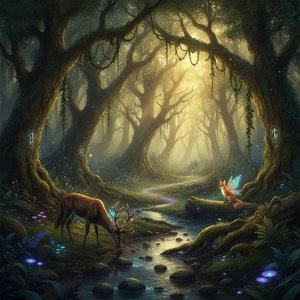
Introduction To step into a forest is to enter a sanctuary of shifting light and whispered secrets, a realm where the boundary between the earth and the sky becomes beautifully blurred. For centuries, the forest has served as one of the most profound...
To step into a forest is to enter a sanctuary where time slows, and the boundary between the earth and sky becomes blurred. For centuries, the woods have served as more than a mere collection of timber and leaf; they are living protagonists in a drama of texture and light. In the eyes of the masters, these emerald labyrinths offer a space of both primordial mystery and spiritual refuge. As we move through these painted realms, we find that the forest is rarely just a setting. Instead, it acts as a mirror for the human soul, capturing the delicate balance between growth and decay, shadow and luminescence.
The experience of viewing such works requires a departure from the frantic pace of modern life. Whether observing the heavy, brooding shadows of a Northern landscape or the sun-drenched glades of a summer afternoon, these paintings invite us to rediscover a quiet majesty. They provide a sensory experience that no photograph can replicate, offering the tactile depth of a brushstroke mimicking mossy bark or the ethereal glow of a clearing.
Intricate Shadows: The Flemish Baroque and the Art of Detail
The Enigmatic Embrace of the Forest To gaze upon this depiction of a forest landscape is to step across a threshold into a realm suspended between waking life and deep contemplation. It is an atmosphere made visible, a place where the towering vertic...
Moving deeper into the thicket, we encounter the meticulous craftsmanship of the Flemish tradition. In the works of artists like Jan Brueghel the Elder, the forest is an enigma to be unraveled through careful observation. His Forest landscape demonstrates a profound mastery of light and shadow, utilizing oil paint with a palpable richness that allows the viewer to feel the weight of the scene. Here, the foliage is rendered with an impasto-heavy application, giving the leaves and bark a sculptural quality.
This era of painting relies on the technique of chiaroscuro to sculpt dense thickets and intertwining branches. The light is not a harsh illumination but a diffused, ethereal glow filtering through a heavy canopy. This interplay between deep, velvety shadows and pockets of soft luminescence creates an immense sense of depth. A winding stream often acts as a liquid guide, promising passage deeper into the woods while suggesting that the journey itself is the true destination.
Expanding Horizons: Patinir and the Birth of the World Landscape
A Pioneer of the Northern Renaissance Landscape Joachim Patinir, a name often whispered alongside that of Albrecht Altdorfer as a foundational figure in landscape painting, emerged from the artistic milieu of the Low Countries during the early 16th c...
As we advance from the dense thickets toward more expansive views, we encounter the innovations of Joachim Patinir. A pioneer of the Northern Renaissance, Patinir fundamentally altered how we perceive the landscape. He moved beyond mere background detail to invent a way of seeing the world as an independent entity. His work often blended naturalistic detail with a lyrical fantasy, creating what became known as the "world landscape."
Influenced by the imaginative landscapes of Hieronymus Bosch, Patinir imbued his vistas with narrative power and symbolic depth. While he avoided the overt moralizing allegories of his predecessors, his compositions remained rich with meaning. By treating the landscape as a subject capable of conveying its own truth, he laid the groundwork for future generations to explore the forest not just as a place, but as a profound psychological space.
Fleeting Moments: Capturing Atmospheric Light in Impressionist Groves
Explore 'Landscape at Fontainebleau Forest' by Abbott Thayer (1876). This Impressionistic landscape showcases light & shadow in a serene forest scene, evoking peace and solitude.
Leaving the structured compositions of the past, we arrive at the dappled, sun-drenched groves of the Impressionists. For artists such as Claude Monet, Camille Pissarro, and Alfred Sisley, the forest was a living laboratory of color. They moved away from rigid studio traditions to practice en plein air painting, seeking to capture the fleeting vibrations of the atmosphere. Their focus was the way a single sunbeam piertonces a thicket or how mist clings to the mossy bark of an ancient oak.
This movement brought a new sensitivity to the nuances of light filtering through foliage. In Abbott Handerson Thayer’s Landscape at Fontainebleau Forest, we see this serene exploration of light and shadow. Similarly, Isaac Levitan’s Forest. Sunny Day. captures the tranquil beauty of a summer afternoon with lush, precise detail. These works eschew heavy, dark tones in favor of a more muted palette of greens, blues, and greys, creating a sense of depth and subtle shifts in light that feel both immediate and enduring.
The Pulse of Color: Expressionist Visions of the Forest Soul
As we move into the early 20th century, the forest undergoes a radical transformation. The quiet contemplation of the Impressionists gives way to the rhythmic, pulsating energy of German Expressionism. In Franz Marc’s Deer in the Forest II, the landscape is no longer a study of light but a symphony of life force. Marc abandons literal reality for a dreamscape where colors act as emotional protagonists.
In this work, blues and greens do not merely represent foliage; they vibrate with a cosmic energy. The thick, energetic brushstrokes create a dynamic environment where the boundaries between animals, birds, and trees dissolve into a singular, spiritual movement. This approach prioritates emotional truth over representation, using the forest as a medium to explore the intersection of nature and the divine. It is a vision of the woods that is both visceral and profoundly moving.
A Lasting Sanctuary: The Enduring Resonance of Forest Art
Our walk through these various woodland scenes concludes with a realization of why these works remain so vital in our contemporary age. As urban landscapes expand, the painted forest offers a necessary psychological retreat. These artworks act as windows to a wildness we often lose in our daily routines, reminding us of our ancestral connection to the natural world.
Whether it is the heavy texture of an oil reproduction or the delicate light of a classical landscape, these pieces provide a sense of peace that is increasingly rare. They invite us to pause, to breathe, and to reconnect with the rhythms of the earth. In the collections we curate at OriginalUniqueArt.com, we strive to preserve this tactile connection, offering hand-painted reproductions that capture the authentic impasto and visible brushwork of these great masters, ensuring their vision remains a living part of your own sanctuary.
Entdecken Sie 10 Meisterwerke des Impressionismus: Von Monets Lichtspielen bis zu Van Goghs Farben. Erleben Sie die Magie der Landschaftsmalerei und finden Sie museale Ölgemälde-Reproduktionen für Ihr Interieur. Entdecken Sie alle Meisterwerke auf OriginalUniqueArt.com.
Entdecken Sie 10 legendäre Waldlandschaften der Kunstgeschichte – von Van Gogh bis Cézanne. Erleben Sie die Magie von Licht und Schatten in meisterhaften Ölgemälden. Finden Sie museale Reproduktionen für Ihr Interieur auf OriginalUniqueArt.com. Jetzt die ganze Kollektion online entdecken!
Entdecken Sie 10 Meisterwerke des Impressionismus: Von Monets Lichtspielen bis zu Van Goghs Emotionen. Erleben Sie die Magie der Landschaftsmalerei und finden Sie museale Kunstreproduktionen für Ihr Zuhause. Entdecken Sie alle Meisterwerke auf OriginalUniqueArt.com.
OStudio-AssistentOnline · antwortet innerhalb einer Minute
Hallo! Ich kann Ihnen dabei helfen, ein Kunstwerk auszuwählen, eine Bestellung zu verfolgen oder Fragen zur Garantie zu beantworten. Wie kann ich Ihnen heute behilflich sein?

 Enchanted Woodlands: Top 10 Masterpieces Exploring the Magic of Forests
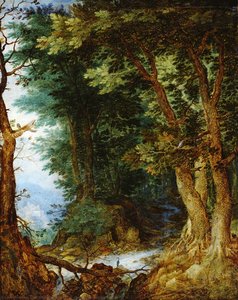 Forest landscape
 Joachim Patinir
 Landscape at Fontainebleau Forest