In echtem Maßstab anzeigen
 Versenden als Grußkarte
 Teilen
 Details anzeigen
 Leitfaden öffnen

 Herunterladen
 Ähnliche Objekte
 Röntgenaufnahme
 Diashow
 Besucherstatistiken
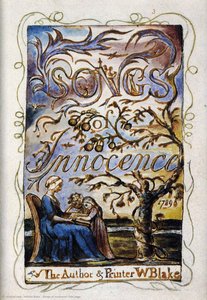
Archangel Raphael with Adam and Eve
 Aquarell
- Wandkunst
- Romantic Symbolism
 1808
1808- 19. Jahrhundert
 50.0 x 40.0 cm
 Mehr anzeigen
Handgefertigte Ölreproduktion
Handgemaltes Ölgemälde auf Leinwand in Ihrer Wunschgröße und mit Rahmen, auf Bestellung von unseren Künstlern angefertigt. ( Zum Druck wechseln Zum digitalen Bild wechseln)




P118B €10

P118H €10

P118W €10

P438Z €10

P508JH €12

P508YH €12

P805H €10

P805Z €10

P919BZ €10

P919G €10

P919XJ €10

P959ZH €10

P968JZ €12

W106C €8

W218G €10

W218JH €8

W218Y €10

W307PJ €10

W316G €10

W316PJ €8

W316Y €10

W398PJ €8

W4111J €10

W500HY €15

W500JH €15

W692G €12

W849H €8

W940BG €15

W953PJ €8




Wählen Sie aus unseren vordefinierten Formaten, die den ursprünglichen Proportionen des Kunstwerks entsprechen.

Geben Sie die Breite und die Höhe an, die Sie für Ihren Rahmen oder Ihre Wand benötigen. Da dieses Werk handgemalt ist, kann der Künstler bei einer anderen Form etwas mehr um das Bild herum malen oder etwas abschneiden – Sie entscheiden. Wir senden Ihnen ein digitales Mockup zur Freigabe, bevor mit dem Malen begonnen wird. Das auf dieser Seite gezeigte Bild stellt nicht das tatsächliche Ergebnis dar – dies tut nur das Mockup.
Nach der Bestellung wird das OriginalUniqueArt.com-Team dem Kunden Anweisungen per E-Mail zusenden und eine Mockup-Vorschau bereitstellen.
Weltweiter Versand () in nur 3 bis 4 Wochen statt der üblichen 5 Wochen. (22 Oktober). Keine Kompromisse bei der Qualität.

Kostenloser weltweiter Expressversand

Hochwertige Leinenleinwand

Vollständiger Versicherungsschutz beim Versand

Zollgebühren-Rückerstattungsgarantie

Garantie für exakte Farbtreue

100-tägiges Rückgaberecht (nur bei Mängeln)

100% Geld-zurück-Garantie

Angebot für Mengenrabatt
 Die Glasoption ist nur für Größen unter 110 cm verfügbar.

Archangel Raphael with Adam and Eve
Reproduktionsmedium
Format der Reproduktion
-


Gesamtpreis
€ 263
A Visionary Encounter: Exploring William Blake’s “Archangel Raphael with Adam and Eve”
William Blake's "Archangel Raphael with Adam and Eve," completed in 1808, transcends mere depiction; it embodies a profound spiritual quest rendered in breathtaking watercolor. More than just an image of biblical narrative, this artwork stands as a cornerstone of Romantic idealism—a testament to Blake’s singular vision and his masterful manipulation of artistic language. Its enduring appeal lies not only in its aesthetic beauty but also in the layers of symbolism woven into every brushstroke, inviting contemplation on themes of innocence, redemption, and divine grace.Composition and Symbolism: A Landscape of Mythic Significance
The painting’s arrangement is deliberately complex, prioritizing emotional resonance over strict realism. Blake positions Adam seated upon a chair—a gesture signifying humility and vulnerability—facing upwards towards Raphael, who dominates the composition with his commanding presence and radiant white robe. Eve stands beside him, gazing intently at Raphael, embodying feminine receptivity and the allure of divine revelation. Crucially, flanking the central figures are two additional figures: one holding an apple – representing temptation and the acquisition of knowledge – and the other bearing a bowl overflowing with fruit—symbolizing abundance and spiritual nourishment. These subtle additions elevate the scene beyond a simple retelling of Genesis, suggesting a broader narrative concerning humanity’s relationship with God and the consequences of disobedience. The backdrop is dominated by stylized mountains and trees, meticulously rendered in watercolor to create an ethereal landscape that reinforces the painting's mystical atmosphere.Blake’s Watercolor Technique: Capturing Dreamlike Atmosphere
Blake’s distinctive watercolor technique—characterized by delicate washes and luminous glazing—is instrumental in conveying the artwork’s dreamlike quality. He eschewed conventional academic precision, prioritizing expressive color and tonal variation to evoke a sense of otherworldly beauty. The artist skillfully utilizes layering and blending to achieve subtle gradations of hue, capturing the diffused light of Edenic paradise with remarkable sensitivity. This technique allows for an unparalleled level of nuance—revealing textures and contours that would be impossible to achieve with oil paint alone. Furthermore, Blake’s meticulous attention to detail extends beyond mere visual representation; he imbues every element of the composition with symbolic weight, reinforcing the painting's overarching message.Historical Context: Romanticism and Spiritual Rebellion
“Archangel Raphael with Adam and Eve” emerged during the height of Romanticism—a movement that championed emotion, imagination, and individualism as antidotes to Enlightenment rationalism. Blake’s work was profoundly influenced by Neo-Romanticism, which sought to revive the fervor and idealism of the original Romantic era. Rejecting the constraints of established religious dogma, Blake drew inspiration from esoteric traditions and mystical philosophies, believing in the transformative power of visionary experience. This conviction fueled his artistic endeavors—driving him to explore uncharted territories of symbolism and allegory—and cementing his legacy as a prophet of the imagination.Emotional Impact: An Invitation to Contemplation
Ultimately, “Archangel Raphael with Adam and Eve” transcends its formal attributes to deliver an emotionally resonant statement about human spirituality. The painting’s serene beauty juxtaposed with its symbolic depth compels viewers to confront fundamental questions concerning morality, faith, and the pursuit of enlightenment. Blake's masterful portrayal captures a moment of profound grace—a glimpse into the divine realm—leaving audiences captivated by its timeless allure and prompting ongoing reflection on the enduring significance of biblical narratives. Its ethereal palette and intricate composition continue to inspire artists and collectors alike, securing its place as an icon of Romantic art and spiritual contemplation.Fragen & Antworten
Wie verbinden sich Emotion und Anlass bei "Archangel Raphael with Adam and Eve" von William Blake?
„Archangel Raphael with Adam and Eve“ vermittelt ein Spirituell Gefühl und die empfohlene Geschenkidee ist Hochzeit.
In welchem Jahr wurde "Archangel Raphael with Adam and Eve" geschaffen?
Die Entstehung von "Archangel Raphael with Adam and Eve" von William Blake wird auf 1808 datiert.
Für welchen Anlass wird "Archangel Raphael with Adam and Eve" von William Blake als Geschenk empfohlen?
"Archangel Raphael with Adam and Eve" wird als Geschenk für Hochzeit empfohlen.
Biografie des Künstlers
ein Leben, das von einem kreativen Geist geprägt ist
William Blake, ein visionärer Künstler, Dichter und Grafiker, hat eine unvergessliche Spur in der Kunstwelt hinterlassen. Geboren in London am 28. November 1757 und gestorben am 12. August 1827, war Blakes Leben ein Beweis für seinen tiefgreifenden kreativen Geist.Frühes Leben und Einflüsse
Blakes frühe Jahre waren von einer tiefen Verbindung zur Kunst geprägt. Sein Vater, William Blake Sr., ein Hosier, und seine Mutter, Catherine Wright, beeinflussten seine spirituellen und künstlerischen Neigungen. Dies führte zu seiner Lehre bei Francisco Bartolozzi, einem Kupferstecher.Künstlerische Entwicklung und bedeutende Werke
Blakes künstlerischer Weg führte durch verschiedene Medien wie Malerei, Poesie und Grafik. Zu seinen bekanntesten Werken gehören:- The Tyger (1795) - Ein Meisterwerk der romantischen Literatur, das Blakes einzigartige Mischung aus Mystik und Realität zeigt.
- The Sickle (1803) - Ein eindringliches Beispiel für seine Druckkunstfähigkeiten, das seine tiefe Verbindung zur Natur widerspiegelt.
- The Ghost of a Flea (ca. 1819–1820) - Ein Beweis für Blakes innovativen Ansatz in der Kunst, der die Grenzen zwischen Realität und Fantasie verwischt.
Museen mit Blakes Werken
- Blake Museum, Vereinigtes Königreich - Ein Muss für jeden Blake-Enthusiasten, das eine umfangreiche Sammlung seiner Werke beherbergt. [https://OriginalUniqueArt.com/@/william-blake](https://OriginalUniqueArt.com/@/william-blake)
- Fulham Public Library, Vereinigtes Königreich - Obwohl es sich nicht ausschließlich um ein Blake-Museum handelt, beherbergt es mehrere seiner bemerkenswerten Werke und bietet so eine einzigartige Perspektive auf die britische Kunst. [https://OriginalUniqueArt.com/@@/a@d3bma9-discovering-the-artworks-of-fulham-public-library-united-kingdom](https://OriginalUniqueArt.com/@@/a@d3bma9-discovering-the-artworks-of-fulham-public-library-united-kingdom)
Vermächtnis und Einfluss
Blakes Einfluss auf die britische Kunst ist unbestreitbar. Seine einzigartige Mischung aus Mystik, Prophezeiung und Vorstellungskraft hat Generationen von Künstlern inspiriert. Als Vorläufer der Romantik hat Blakes Werk bis heute eine einfache Kategorisierung verwehrt und ihn zu einem Grundstein der britischen Literatur und Kunst gemacht.Weitere Informationen
Für mehr über William Blake und seine Werke erfahren Sie:
William Blake
1757 - 1827 , Vereinigtes Königreich
Eckdaten zum Künstler
- Beeinflusste Künstler:
- Dante Gabriel Rossetti
- William Holman Hunt
- Bemerkenswerte Werke:
- The Tyger
- Das Sichelwerk
- Der Geist der Wahrheit
- Einflussreiche Künstler:
- Raphael
- Michelangelo
- Geburtsdatum: 1757-11-28
- Geburtsort: London, Vereinigtes Königreich
- Künstlerische Bewegung: Romantik
- Nationalität: Britisch
- Todatum: 1827-08-12
- Vollständiger Name: William Blake
Verwandte Artikel
Raphael: Die 25 Meisterwerke des Renaissance-Genies – Kunst für Ihr Zuhause
Entdecken Sie die 25 schönsten Meisterwerke von Raphael! Tauchen Sie ein in die Welt der Renaissance-Kunst, erfahren Sie faszinierende Geschichten und lassen Sie sich von den Farben und Kompositionen inspirieren. Hochwertige Reproduktionen auf OriginalUniqueArt.com.
John Ottis Adams: Capturing Rural Indiana's Luminist Spirit
Explore the serene landscapes of John Ottis Adams, a key American Impressionist of the Hoosier Group. Discover his Luminist style & forgotten legacy with OriginalUniqueArt.
Reginald Grenville Eves: Bridging Portraiture & Modern British Landscape Painting
Explore the life & work of Reginald Grenville Eves, a leading British portraitist who transitioned to captivating landscape painting. Discover his legacy and prominent works at OriginalUniqueArt.

Sir William Blake Richmond: Ästhetizismus und Symbolismus – Eine Vision zwischen Präraffaelitismus und Renaissance-Ideal
Entdecken Sie das faszinierende Werk von Sir William Blake Richmond – ein Pionier des Ästhetizismus und Symbolismus. Erfahren Sie mehr über seine Mosaiken in St. Paul’s Cathedral, seinen Einfluss auf die Arts and Crafts Bewegung und sein Vermächtnis als Slade Professor.

William Blake: Romantische Vision und mystischer Genius der Imagination
Entdecken Sie das faszinierende Werk von William Blake – einem revolutionären Künstler und Dichter der Romantik. Erfahren Sie mehr über seine mystischen Visionen, einzigartige Techniken und bleibenden Einfluss auf Kunst und Literatur.