

 In echtem Maßstab anzeigen
 Versenden als Grußkarte
 Teilen
 Details anzeigen
 Leitfaden öffnen

 Herunterladen
 Ähnliche Objekte
 Röntgenaufnahme
 Diashow
 Besucherstatistiken
The Abandoned Doll


 Mehr anzeigen
Handgefertigte Ölreproduktion
Handgemaltes Ölgemälde auf Leinwand in Ihrer Wunschgröße und mit Rahmen, auf Bestellung von unseren Künstlern angefertigt. ( Zum Druck wechseln Zum digitalen Bild wechseln)




P118B €10

P118H €10

P118W €10

P438Z €10

P508JH €12

P508YH €12

P805H €10

P805Z €10

P919BZ €10

P919G €10

P919XJ €10

P959ZH €10

P968JZ €12

W106C €8

W218G €10

W218JH €8

W218Y €10

W307PJ €10

W316G €10

W316PJ €8

W316Y €10

W398PJ €8

W4111J €10

W500HY €15

W500JH €15

W692G €12

W849H €8

W940BG €15

W953PJ €8




Wählen Sie aus unseren vordefinierten Formaten, die den ursprünglichen Proportionen des Kunstwerks entsprechen.

Geben Sie die Breite und die Höhe an, die Sie für Ihren Rahmen oder Ihre Wand benötigen. Da dieses Werk handgemalt ist, kann der Künstler bei einer anderen Form etwas mehr um das Bild herum malen oder etwas abschneiden – Sie entscheiden. Wir senden Ihnen ein digitales Mockup zur Freigabe, bevor mit dem Malen begonnen wird. Das auf dieser Seite gezeigte Bild stellt nicht das tatsächliche Ergebnis dar – dies tut nur das Mockup.
Nach der Bestellung wird das OriginalUniqueArt.com-Team dem Kunden Anweisungen per E-Mail zusenden und eine Mockup-Vorschau bereitstellen.
Weltweiter Versand () in nur 3 bis 4 Wochen statt der üblichen 5 Wochen. (22 Oktober). Keine Kompromisse bei der Qualität.

Kostenloser weltweiter Expressversand

Hochwertige Leinenleinwand

Vollständiger Versicherungsschutz beim Versand

Zollgebühren-Rückerstattungsgarantie

Garantie für exakte Farbtreue

100-tägiges Rückgaberecht (nur bei Mängeln)

100% Geld-zurück-Garantie

Angebot für Mengenrabatt
 Die Glasoption ist nur für Größen unter 110 cm verfügbar.

The Abandoned Doll
Reproduktionsmedium
Format der Reproduktion
-


Gesamtpreis
€ 285
A Poignant Encounter with Transition
In the quiet, sun-drenched intimacy of Suzanne Valadon’s 1921 masterpiece, The Abandoned Doll, we are invited into a private world that transcends mere domesticity. This oil on canvas is far more than a simple depiction of caregiving; it is a profound psychological study of change and the bittersweet passage of time. The scene captures Marie Cola, Valadon's niece, alongside her young daughter Gilberte, in a moment that feels suspended between the innocence of childhood and the complexities of adulthood. As the eye wanders through the sparsely furnished room, one is struck by the palpable sense of transition—a theme that resonates deeply with anyone who has ever felt the weight of growing up or the melancholy of leaving the past behind.
The composition is masterfully executed, utilizing a style that sits at the vibrant intersection of Post-Impressionism and the early, expressive energy of Fauvism. Valadon rejects the soft, hazy edges of her predecessors in favor of bold, saturated colors and striking dark outlines that lend each figure a sculptural presence. The palette is rich with reds, yellows, and deep blues, creating a dramatic contrast that heightens the emotional temperature of the room. Through the skillful application of impasto, particularly visible in the textured patterns of the rug and the heavy folds of the couch, Valadon provides a tactile dimension to the work. This physical richness makes the painting feel alive, as if the very air within the room possesses a weight and warmth that can be felt by the viewer.
Symbolism and the Weight of Memory
Every element within this frame serves a deeper narrative purpose, weaving a complex web of symbolism that rewards close contemplation. The most striking emblem is, of course, the doll lying discarded on the floor near the bed. It stands as a potent metaphor for abandoned childhood innocence, a silent witness to the inevitable march toward maturity. This sense of loss is mirrored in the visual connection between the pink bow in Gilberte’s hair and the matching bow on the doll, a subtle artistic thread that binds the child to her former self even as she moves away from it. The presence of the nude reclining figure introduces an element of vulnerability and raw beauty, reflecting the artist's interest in portraying the female form with an honesty that was radical for its time.
For the discerning collector or interior designer, The Abandoned Doll offers much more than aesthetic beauty; it provides a focal point of intellectual and emotional depth. The painting’s ability to command attention through its heavy contours and luminous light makes it an extraordinary piece for any curated space. Whether placed in a contemporary setting to provide a soulful contrast or within a classical gallery arrangement, the work acts as a conversation starter. It invites viewers to reflect on their own journeys of transformation, making it not just a decorative object, but a profound piece of storytelling that brings a sense of history, resilience, and human truth into the home.
Fragen & Antworten
Wie lässt sich "The Abandoned Doll" von Suzanne Valadon in der Inneneinrichtung verwenden?
Die Verwendung (Accent) und der Raum (Living Room) sind die zwei Empfehlungen für "The Abandoned Doll" von Suzanne Valadon.
Wie stellt "The Abandoned Doll" von Suzanne Valadon eine Verbindung zwischen Post-Impressionism und dem Heimatland des Künstlers her?
"The Abandoned Doll" wurde von Suzanne Valadon geschaffen, der in Frankreich geboren wurde, und ist der Post-Impressionism-Bewegung zuzuordnen. Die Herkunft des Künstlers verbindet das Werk mit der Post-Impressionism, wie sie von Künstlern aus Frankreich praktiziert wird.
Welche Farbpalette und welches Gefühl vereint "The Abandoned Doll"?
"The Abandoned Doll" von Suzanne Valadon vereint eine Earthy Farbpalette mit einem Melancholic Ton.
Biografie des Künstlers
Frühes Leben und Karriere
- Geboren: Bénesse-sur-Gartempe, Frankreich (1865)
- Gestorben: 1938
- Marie-Clémentine Valadon, später bekannt als Suzanne Valadon, wuchs in Armut mit ihrer Mutter auf. Sie kannte ihren Vater nicht.
- Mit 18 Jahren brachte sie Maurice Utrillo zur Welt, dessen Vater unbekannt ist. Miguel Utrillo unterzeichnete später Papiere, die ihn als seinen Sohn anerkennen.
- Valadon bildete sich selbst aus, indem sie Künstler beobachtete und Toulouse-Lautrecs Bücher las.
- Sie arbeitete als Modell für verschiedene Künstler und erlangte so Einblicke in die Kunstwelt.
Künstlerischer Stil und bemerkenswerte Werke
- Valadons Stil zeichnet sich durch kräftige Linienzeichnungen und feine Gemälde aus.
- Sie war bekannt für ihre offenen weiblichen Aktzeichnungen, die Frauenkörper aus einer Frauensicht darstellen.
- Bemerkenswerte Werke sind: Le Canard, Nu à la draperie blanche, Nu debout und Bouquet de fleurs dans un vase empire.
- Ihre Gemälde zeigen ihren einzigartigen Stil und ihre meisterhafte Technik.
Einflüsse und Entwicklung
- Frühe Einflüsse: Toulouse-Lautrecs Schriften und Beobachtungen von Künstlern bei der Arbeit.
- Beziehung zu Erik Satie: Eine kurze Affäre, die zu einem gemeinsamen Wohnraum führte und wahrscheinlich ihre künstlerische Entwicklung beeinflusste.
- Entwicklung: Valadon wechselte vom Künstlerinnenmodell zur anerkannten Malerin und stellte damit Konventionen in der Kunstwelt in Frage. Ihre Arbeit entwickelte sich von beobachtungsbasierten Zeichnungen zu ausdrucksstärkeren Gemälden, die Themen wie Weiblichkeit, Alterung und Sexualität erforschten.
Wichtige Errungenschaften und historische Bedeutung
- Im Jahr 1894 wurde Valadon als erste Malerin in die Société Nationale des Beaux-Arts aufgenommen.
- Sie stellte traditionelle Darstellungen von Frauen in der Kunst in Frage, indem sie sie mit Ehrlichkeit und Verletzlichkeit porträtierte.
- Ihre Arbeit gilt als Vorläufer feministischer Kunstbewegungen.
- Valadons Vermächtnis geht über ihre eigenen Werke hinaus und ebnet den Weg für zukünftige Generationen von Künstlerinnen.
- Kunsthistoriker wie Patricia Mathews haben ihre Beiträge zur postimpressionistischen Bewegung anerkannt.
Vermächtnis und Wirkung
- Suzanne Valadons Geschichte ist ein Beweis für die Kraft der Kunst, Zeit zu überwinden und zukünftige Generationen zu inspirieren.
- Ihre kühnen und offenen weiblichen Aktzeichnungen inspirieren weiterhin Künstler heute.
- Sie bleibt eine wichtige Figur im Postimpressionismus und wird für ihre einzigartige Perspektive und ihr künstlerisches Talent gefeiert.

Suzanne Valadon
1865 - 1938 , Frankreich
Eckdaten zum Künstler
- Bemerkenswerte Werke:
- Le Canard
- Nu à la draperie blanche
- Nu debout
- Bouquet de fleurs
- Einflussreiche Künstler:
- Toulouse-Lautrec
- Erik Satie
- Geburtsdatum: 23. September 1865
- Geburtsort: Bénesse-sur-Gartempe, Frankreich
- Künstlerische Richtung: Postimpressionismus
- Nationalität: Französisch
- Todatum: 7. April 1938
- Vollständiger Name: Suzanne Valadon
Verwandte Artikel
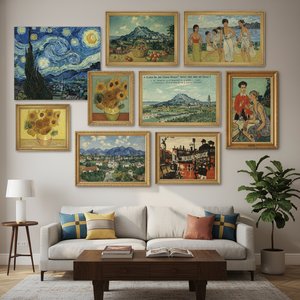
Postimpressionismus: Die 10 Meisterwerke, die eine Ära prägten –
Entdecken Sie die 10 Meisterwerke des Postimpressionismus! Van Gogh, Cézanne & Co. – ihre Geschichten, Techniken und zeitlose Schönheit. Kunstdrucke in Museumsqualiät auf . Jetzt entdecken!

Beyond Impressionism: How Post-Impressionism Revolutionized Modern Art through Emotion and Structure
Explore the profound evolution of art from Impressionism to Post-Impressionism. Discover how masters like Van Gogh revolutionized color and emotion, shaping modern art history through structural innovation and expressive technique.
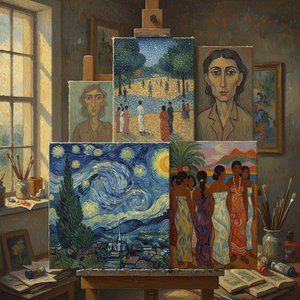
Jenseits des Impressionismus: Die emotionale Tiefe der postimpressionistischen Malerei
Entdecken Sie die emotionale Tiefe des Postimpressionismus! Analysieren Sie Cézanne, van Gogh, Gauguin & Seurat. Expertenwissen über Kunstgeschichte und Einfluss auf die Moderne.

Impressionismus und Postimpressionismus: Eine vergleichende Analyse
Entdecken Sie die Welt des Impressionismus und Postimpressionismus! Expertenwissen über Künstler wie Monet, Van Gogh & Cézanne. Jetzt lesen!

Impressionismus vs. Post-Impressionismus: Eine exklusive Reise durch Licht, Farbe und die Revolution der Emotionen
Entdecken Sie die faszinierende Differenz zwischen Impressionismus und Post-Impressionismus. Erfahren Sie alles über die Revolution von Licht und Emotion durch die Augen der Meister. OriginalUniqueArt bietet Ihnen exklusive, handgemalte Ölgemälde in höchster Museumsqualität für Ihr Zuhause.
