- Startseite

- Ölgemälde-Reproduktion
- puccio di simone
- Madonna and Child Enthroned with Saints and Angels, and Saints Anthony Abbot and Venantius [entire triptych]
![Madonna And Child Enthroned With Saints And Angels, And Saints Anthony Abbot And Venantius [entire Triptych] — Puccio Di Simone](/media/artworks/images/full/2b/4a/2b4a9a0494954deeb3b53bfefae9f389.Jpg)
 Druck bestellen Bild kaufen
 Versenden
 Teilen
 Details anzeigen
 Zu Favoriten hinzufügen

 Herunterladen
 Ähnliche Objekte
 Röntgenaufnahme
 Diashow anzeigen
Madonna and Child Enthroned with Saints and Angels, and Saints Anthony Abbot and Venantius [entire triptych]


 Weiterlesen
Handgefertigte Öl-Reproduktion
Handgemaltes Ölgemälde auf Leinwand in Ihrer Wunschgröße und mit Rahmen, auf Bestellung von unseren Künstlern angefertigt.




P118B $10

P118H $10

P118W $10

P438Z $10

P508JH $12

P508YH $12

P805H $10

P805Z $10

P919BZ $10

P919G $10

P919XJ $10

P959ZH $10

P968JZ $12

W106C $8

W218G $10

W218JH $8

W218Y $10

W307PJ $10

W316G $10

W316PJ $8

W316Y $10

W398PJ $8

W4111J $10

W500HY $15

W500JH $15

W692G $12

W849H $8

W940BG $15

W953PJ $8




Wählen Sie aus unseren vordefinierten Größen, die den ursprünglichen Proportionen des Kunstwerks entsprechen.

Sie können Ihre eigenen Maße eingeben, um einen bestimmten Rahmen oder Platz auszufüllen. Wenn die gewählte Größe nicht den Proportionen des Originalbildes entspricht, werden wir das Kunstwerk entweder beschneiden oder das Gemälde durch zusätzliche, handgemalte Elemente erweitern. Ein digitales Mockup wird Ihnen zur Genehmigung zugesandt, bevor die Produktion beginnt.
Bitte beachten Sie, dass die Bildschirmvorschau nicht die tatsächliche Beschneidung oder Erweiterung widerspiegelt. Nur das Mockup zeigt die endgültige Komposition exakt an.
Obwohl Sondermaße verfügbar sind, empfehlen wir, eine Größe aus der vordefinierten Liste zu wählen, um die ursprünglichen Proportionen beizubehalten.
Nach der Bestellung wird das OriginalUniqueArt.com-Team dem Kunden Anweisungen per E-Mail zusenden und eine Mockup-Vorschau bereitstellen.
Weltweiter Versand () in nur 3 bis 4 Wochen statt der üblichen 5 Wochen. (20 Juli). Keine Kompromisse bei der Qualität.

Kostenloser weltweiter Expressversand

Hochwertige Leinenleinwand

Umfassender Versicherungsschutz beim Versand

Zollsteuer-Rückerstattungsgarantie

Garantie für echte Farbtreue

60-Tage-Rückgaberecht (nur bei Mängeln)

100% Geld-zurück-Garantie

Mengenrabatt verfügbar
 Die Glasoption ist nur in Größen unter 110 cm verfügbar.

Madonna and Child Enthroned with Saints and Angels, and Saints Anthony Abbot and Venantius [entire triptych]
Art der Reproduktion
Größe der Reproduktion
-


Endpreis aller Optionen
-
Beschreibung des Kunstwerks
A Celestial Gathering in Gold and Grace
In the quiet, hallowed atmosphere of the mid-14th century, Puccio di Simone crafted a vision of the divine that transcends the mere boundaries of wood and pigment. His triptych, Madonna and Child Enthroned with Saints and Angels, is not simply an altarpiece; it is a window into a celestial court where the earthly and the eternal converge. At the heart of this three-paneled masterpiece sits the Virgin Mary, her presence defined by a profound, tender intimacy. As she gazes upon the Christ Child, her hand gently lifting his chin, the viewer is drawn into a moment of quiet, maternal devotion that feels startlingly human despite the surrounding splendor. The central panel vibrates with life, populated by a multitude of figures whose overlapping gold halos create a shimmering, rhythmic pattern, suggesting a crowded, joyous assembly of the holy.
The artistry of di Simone is characterized by a striking use of color and texture that commands attention in any setting. The Virgin’s mantle, a deep and regal lapis-blue, provides a breathtaking contrast to the radiant gold background, while the intricate gold starbursts upon her shoulder serve as celestial markers of her status. The Christ Child, draped in garments of patterned blue and gold against a warm, sunset orange, holds a small bird—a poignant symbol of the soul and the passion to come. This interplay of rich, saturated pigments and the luminous, flat gold leaf creates a sense of "shadowed realism," where the figures possess a weight and psychological depth that foreshadows the great Renaissance masters, yet remain anchored in the ethereal beauty of the Gothic tradition.
Symbolism and the Language of Devotion
Every element within this triptych serves as a silent sermon, designed to guide the faithful through layers of theological meaning. The presence of Saint Anthony Abbot, identifiable by his wooden crutch, and Saint Venantius adds a layer of intercessory power to the composition, offering protection and strength to the devotee. The very architecture of the painting—the rounded, pointed arches and the spiraling columns that frame the wings—mimics the grandeur of a cathedral, inviting the viewer to step into a sacred space. Even the inscriptions, such as SCA MARIA MATER DEI, act as rhythmic anchors, grounding the visual splendor in the immutable truths of the era.
For the discerning collector or interior designer, this work offers more than just historical significance; it provides an emotional anchor for a space. The triptych’s ability to balance intense, concentrated detail with a sense of vast, golden emptiness makes it a versatile piece for high-end reproduction. Whether placed in a room characterized by classical elegance or used as a focal point in a contemporary gallery setting, the painting radiates a sense of timelessness and peace. It is an invitation to contemplation, a masterpiece that brings the profound weight of history and the delicate beauty of spiritual devotion into the modern home.
Biografie des Künstlers
The Shadowed Realism of Puccio di Simone
Puccio di Simone, a name whispered among connoisseurs of early Renaissance art, remains an elusive figure despite the potent emotional resonance of his work. Born in Florence around 1320, and passing away circa 1362, his life is shrouded in the mists of medieval record, known more through surviving paintings than documented biography. He wasn’t a master celebrated with extensive workshop records or patron commissions like Giotto; instead, Puccio carved out a unique space for himself, painting primarily altarpieces and devotional panels that betray a profound understanding of human psychology and a strikingly modern sensibility. His art isn't about grand narratives but intimate moments of faith, grief, and contemplation – rendered with an almost unsettling realism that foreshadows the artistic currents of centuries to come. He operated within the Florentine tradition, yet his style diverges from the prevailing sweetness and decorative elegance, opting instead for a more somber, introspective approach.Early Influences and Artistic Development
Puccio’s formative years were undoubtedly shaped by the artistic landscape of Florence in the early 14th century. The influence of Giotto is palpable – not in direct imitation, but in Puccio's adoption of naturalism and spatial awareness. However, while Giotto sought to monumentalize his figures and imbue them with a sense of classical dignity, Puccio’s characters are often smaller in scale, more vulnerable, and deeply embedded within their emotional states.- Giotto's Naturalism: Puccio absorbed the lessons of Giotto regarding realistic depiction of form and volume.
- Byzantine Tradition: The lingering influence of Byzantine art is evident in his use of gold leaf, elongated figures, and symbolic color palettes, though he moved away from its rigid formality.
- Local Florentine Styles: He was also influenced by other contemporary artists working in Florence, absorbing elements of their techniques and compositional approaches.
Major Works and Characteristic Style
While a definitive catalogue raisonné of Puccio di Simone's work remains elusive due to attribution challenges, several paintings are consistently recognized as his hand. The Maestà (Virgin Enthroned) panels, scattered across various collections, showcase his signature style: figures with elongated faces and expressive eyes, often set against a gold background that emphasizes their isolation. His use of color is restrained yet powerful – deep blues, rich reds, and somber browns creating an atmosphere of quiet contemplation. The Crucifixion, for example, isn’t a scene of dramatic spectacle but a poignant depiction of human suffering, with Christ portrayed as vulnerable and deeply affected by his ordeal. His figures aren't heroic; they are profoundly *human*. Another defining characteristic is the psychological depth he imbues in his portraits. Even within religious contexts, his subjects seem to possess inner lives, their gazes conveying a sense of weariness, faith, or quiet desperation. This focus on emotional realism sets him apart from many of his contemporaries and anticipates the humanist concerns of the later Renaissance.Historical Significance and Legacy
Puccio di Simone’s historical significance lies not in widespread fame but in his pioneering approach to psychological portraiture and realistic depiction of emotion. He operated at a crucial transitional moment in art history, bridging the gap between the Byzantine tradition and the emerging Renaissance naturalism. While he didn't found a school or attract numerous followers, his work exerted a subtle yet profound influence on subsequent generations of artists. His emphasis on individual expression, even within religious iconography, paved the way for the more individualized portraits that would become characteristic of the 15th and 16th centuries. He represents a quiet revolution in art – a shift from idealized representation to an exploration of the complexities of the human condition. His paintings are not merely devotional objects; they are windows into the souls of his subjects, offering a glimpse of their inner lives and inviting viewers to contemplate their own mortality and faith. The rediscovery and re-evaluation of Puccio di Simone’s work in recent decades have cemented his place as a significant, if often overlooked, figure in the history of Italian art – a master of shadowed realism whose haunting images continue to resonate with contemporary audiences.
puccio di simone
1320 - 1362
Kurzinfos
- Artistic Movement Or Style: Gothic
- Artists Or Movements Influenced By This Artist: ['Giovanni da Milano']
- Artists Who Influenced This Artist: ['Bernardo Daddi']
- Date Of Death: 1362
- Full Name: Puccio di Simone
- Nationality: Italian
- Notable Artworks:
- Coronation of the Virgin
- Madonna
- St Anthony altarpiece
- Place Of Birth: Florence
Ähnliche Artikel
Raphael: Die 25 Meisterwerke des Renaissance-Genies – Kunst für Ihr Zuhause
Entdecken Sie die 25 schönsten Meisterwerke von Raphael! Tauchen Sie ein in die Welt der Renaissance-Kunst, erfahren Sie faszinierende Geschichten und lassen Sie sich von den Farben und Kompositionen inspirieren. Hochwertige Reproduktionen auf OriginalUniqueArt.com.
The Allure of Gold in Art History: Symbolism, Technique & Cultural Significance
Explore the rich history of gold in art! Discover symbolism, techniques & cultural significance from ancient civilizations to Klimt's masterpieces. Expert insights for collectors at OriginalUniqueArt.
Golden Splendor: An Editorial Journey Through Art's Most Radiant Masterpieces
Embark on a visual journey through the world's most radiant masterpieces. Discover how gold leaf, impasto textures, and gilded tones define luxury in fine art, from Byzantine icons to modern abstracts. Explore the eternal allure of gold in curated, museum-quality art collections.
Goldene Meisterwerke: Die Top 10 berühmtesten Gemälde mit Blattgold – OriginalUniqueArt
Entdecken Sie die Top 10 Gemälde, die von Blattgold verzaubern! Von Klimt bis zur Renaissance – erfahren Sie die Geschichten hinter ikonischen Kunstwerke & lassen Sie sich für Ihre Wohnraumgestaltung inspirieren. Hochwertige Reproduktionen auf OriginalUniqueArt.com.
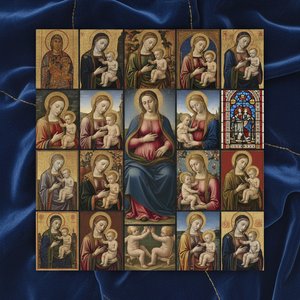
Divine Love: A Curated Guide to the Most Iconic Madonna and Child Masterpieces in Art History
Embark on a sophisticated journey through art history with our curated guide to the most iconic Madonna and Child masterpieces. Discover the profound beauty, theological depth, and enduring legacy of these sacred Renaissance treasures.

