

 Vorschau anzeigen
 Versenden
 Teilen
 Details anzeigen
 Leitfaden

 Herunterladen
 Ähnliche Objekte
 Röntgenaufnahme
 Diashow
 Statistiken
St Stephen
 Acrylic On Canvas
- WallArt
- Renaissance/Baroque
 67.0 x 50.0 cm
 Museo del Prado
 Weiterlesen
Handgefertigte Ölreproduktion
Handgemaltes Ölgemälde auf Leinwand in Ihrer Wunschgröße und mit Rahmen, auf Bestellung von unseren Künstlern angefertigt. ( Zum Druck wechseln Zum digitalen Bild wechseln)




P118B €10

P118H €10

P118W €10

P438Z €10

P508JH €12

P508YH €12

P805H €10

P805Z €10

P919BZ €10

P919G €10

P919XJ €10

P959ZH €10

P968JZ €12

W106C €8

W218G €10

W218JH €8

W218Y €10

W307PJ €10

W316G €10

W316PJ €8

W316Y €10

W398PJ €8

W4111J €10

W500HY €15

W500JH €15

W692G €12

W849H €8

W940BG €15

W953PJ €8




Wählen Sie aus unseren vordefinierten Formaten, die den ursprünglichen Proportionen des Kunstwerks entsprechen.

Geben Sie die Breite und die Höhe an, die Sie für Ihren Rahmen oder Ihre Wand benötigen. Da dieses Werk handgemalt ist, kann der Künstler bei einer anderen Form etwas mehr um das Bild herum malen oder etwas abschneiden – Sie entscheiden. Wir senden Ihnen ein digitales Mockup zur Freigabe, bevor mit dem Malen begonnen wird. Das auf dieser Seite gezeigte Bild stellt nicht das tatsächliche Ergebnis dar – dies tut nur das Mockup.
Nach der Bestellung wird das OriginalUniqueArt.com-Team dem Kunden Anweisungen per E-Mail zusenden und eine Mockup-Vorschau bereitstellen.
Weltweiter Versand () in nur 3 bis 4 Wochen statt der üblichen 5 Wochen. (25 Oktober). Keine Kompromisse bei der Qualität.

Kostenloser weltweiter Expressversand

Hochwertige Leinenleinwand

Umfassender Versicherungsschutz beim Versand

Zollgebühren-Rückerstattungsgarantie

Garantie für exakte Farbtreue

100 Tage Rückgaberecht (nur bei Mängeln)

100% Geld-zurück-Garantie

Mengenrabatt verfügbar
 Die Glasoption ist nur für Größen unter 110 cm verfügbar.

St Stephen
Art der Reproduktion
Format der Reproduktion
-


Endpreis
€ 263
The Silent Witness: Luis de Morales’s St Stephen
Luis de Morales's "St Stephen" isn’t merely a painting; it’s a profound distillation of faith, sorrow, and the quiet dignity of martyrdom. Executed in the late 16th century during a period of fervent religious fervor in Badajoz, Spain, this work stands as a testament to the artist’s extraordinary ability to imbue biblical scenes with palpable emotion and anatomical realism—a hallmark of his distinctive style. The painting depicts St Stephen, the first Christian martyr, not in grand, triumphant pose, but rather in a moment of contemplative stillness, a figure rendered with an almost unnerving intimacy that draws the viewer into his inner world.
Morales’s artistic lineage is deeply rooted in the traditions of Spanish religious art, yet he transcends mere imitation. He masterfully blends elements of the Renaissance and Baroque, employing a meticulous attention to detail reminiscent of Flemish painting—particularly evident in the rendering of St Stephen's skin, which exhibits a remarkable sensitivity to light and shadow – pores, wrinkles, and subtle variations in tone that suggest both age and suffering. The composition is deliberately restrained, focusing entirely on the figure of the saint, set against a subtly rendered landscape that hints at the desolate terrain where he met his tragic end.
A Study in Light and Shadow: Technique and Materials
The painting’s power resides significantly in Morales's masterful manipulation of light. He utilizes *chiaroscuro*—the dramatic contrast between light and dark—to sculpt St Stephen’s form, emphasizing his vulnerability and the weight of his impending fate. The muted palette – dominated by earthy browns, ochres, and subtle blues – contributes to a sense of solemnity and gravity. The artist employed oil on panel, a technique favored for its ability to achieve rich colors and nuanced textures. Close examination reveals an incredibly detailed surface, achieved through countless layers of thin glazes—a painstaking process that speaks volumes about Morales’s dedication to his craft.
Notably, the painting's execution suggests a deep understanding of human anatomy, a skill honed through years of observation and study. The pose is naturalistic, conveying a sense of quiet resignation rather than dramatic anguish. The artist doesn’t shy away from depicting the physical realities of martyrdom – the bald head, the weathered face, the simple garment—transforming a biblical narrative into a deeply human experience.
Symbolism and Spiritual Resonance
Beyond its technical brilliance, “St Stephen” is rich in symbolic meaning. The saint’s posture, with his hand resting gently on his chest, evokes the image of Christ's sacrifice. The presence of the three stones—a direct reference to his brutal execution—underscores the painting’s central theme: unwavering faith in the face of persecution. The rocky landscape, sparsely populated and bathed in a melancholic light, serves as a potent metaphor for the desolate spiritual journey undertaken by those who choose to follow Christ.
Furthermore, St Stephen's baldness is not merely a detail of representation; it’s a deliberate allusion to his role as a deacon, signifying his service and humility. The painting invites contemplation on themes of sacrifice, faith, and the enduring power of spiritual conviction—themes that resonated deeply with viewers during Morales’s time and continue to hold profound significance today.
A Legacy of Devotion: Reproduction and Artistic Value
Reproductions of “St Stephen” offer a remarkable opportunity to experience the depth and emotional resonance of this extraordinary work. The meticulous detail, combined with Morales's masterful use of light and shadow, ensures that these reproductions capture the essence of the original painting—a testament to the artist’s skill and vision. Whether displayed in a private residence or a public space, this image serves as a powerful reminder of the enduring legacy of Spanish religious art and the timeless themes it explores.
Consider commissioning a hand-painted reproduction from OriginalUniqueArt.com – an authentic recreation that honors Morales’s artistic legacy while bringing his profound vision into your home or studio. It's more than just a picture; it’s a window into the soul of a master artist and a celebration of faith, sacrifice, and the enduring power of human spirit.
Fragen & Antworten
Wie fügt sich „St Stephen“ in die Themen und den Stil von Luis de Morales ein?
Innerhalb des Gesamtwerks von Luis de Morales steht „St Stephen“ im Stil der Renaissance/Baroque und greift die Themen religious devotion, renaissance realism, spanish piety, morales’ style, martyrdom, biblical narrative”, “devotional imagery, spiritual focus” auf.
Wer ist der Urheber von "St Stephen" und welcher Stilrichtung ist das Werk zuzuordnen?
"St Stephen" ist das Werk von Luis de Morales aus der Epoche des Renaissance/Baroque.
Welche Form und Maße hat "St Stephen" von Luis de Morales?
Das Format von „St Stephen“ ist Portrait und das Original hat die Maße 67 x 50 cm. Beides ist bei der Planung einer Reproduktion hilfreich.
Künstlerbiografie
Luis de Morales: Der göttliche Maler von Badajoz
Luis de Morales (ca. 1509 – 9. Mai 1586), der liebevoll als „El Divino“ bekannt wurde, zählt zu den am meisten verehrten Gestalten der spanischen Renaissance-Kunst. Er war ein Maler, dessen tiefe Spiritualität und erstaunlicher Realismus das Publikum zu Lebzeiten fesselte und noch Jahrhunderte später Bewunderung hervorruft. Geboren in Badajoz, Extremadura, entfaltete sich Morales’ künstlerische Reise vor dem Hintergrund aufstrebender humanistischer Ideale und religiösen Eifers. Dies formte ihn zu einem unvergleichlichen Meister der Andachtsbilder und festigte sein Erbe als der quintessenzielle Künstler seiner Epoche.- Frühes Leben & Einflüsse: Über Morales’ formative Jahre ist wenig zweifelsfrei bekannt, abgeselement von dokumentierten Aufzeichnungen, die darauf hinweisen, dass er um 1509 in Badajoz geboren wurde. Seine künstlerische Ausbildung begann wahrscheinlich unter der Anleitung von Hernando Sturmio, einem flämischen Maler, der sich in Badajoz niedergelassen hatte, und möglicherweise unter Pedro de Campaña, einem bedeutenden Künstler aus Sevilla – Orte, die für ihre lebendigen künstlerischen Traditionen während der Renaissance berühmt waren.
- Die lombardische Schule & florentinische Echos: Morales’ frühe Werke tragen unverkennbare Spuren der lombardischen Schule Leonardo da Vincis – charakterisiert durch subtiles Sfumato (verschwommene Konturen) und atmosphärische Perspektive. Gleichzeitig absorbierte er Einflüsse von Michelangelo, dessen monumentale Skulpturen ihm ein meisterhaftes Verständnis für Anatomie und ausdrucksstarke Gestik vermittelten. Diese prägenden Erfahrungen beeinflussten seine künstlerische Sensibilität tiefgreifend.
Eine Ära der anatomischen Präzision und spirituellen Tiefe
Das künstlerische Schaffen von Morales lässt sich grob in zwei verschiedene Perioden unterteilen, die sich in ihrer stilistischen Entwicklung und den intellektuellen Strömungen widerspiegeln. Die erste Phase, etwa von 1539 bis 1560, war geprägt von einer fortwährenden Auseinandersetzung mit der florentinischen Ästhetik – insbesondere Michelangelos anatomischer Strenge –, was zu Gemälden führte, die von spürbarer Emotion und dramatischer Spannung durchdrungen waren. Werke wie La Virgen del Pajarito sind beispielhaft für diesen frühen Stil, da sie akribische Details zeigen und eine tiefe spirituelle Kontemplation vermitteln.- Die zweite Blütezeit: Nach seiner Heirat mit Leonor de Chaves und dem anschließenden Umzug nach Alcántara erlebte Morales eine bemerkenswerte künstlerische Renaissance. In dieser Zeit schuf er Meisterwerke, welche die Grenzen der Renaissance-Technik verschoben – insbesondere im Hinblick auf die anatomische Genauigkeit –, wobei er sich von deutschen und flämischen Malern inspirieren ließ, die das Chiaroscuro (den Kontrast zwischen Licht und Dunkel) und die akribische Beobachtung der Natur pflegten.
- Bemerkenswerte Errungenschaften: Zu seinen am meisten gefeierten Gemälden gehören La Piedad (1560), untergebracht in der Kathedrale von Badajoz, eine atemberaubende Darstellung der Maria, die um den Tod Jesu trauert – ein Zeugnis für Morales’ unvergleichliches Geschick, tiefe Trauer darzustellen; San Juan de Ribera (1564) im Prado-Museum in Madrid sowie Ecce Homo, das in der Hispanic Society of America ausgestellt wird. Diese Werke stehen als bleibende Symbole für die Frömmigkeit und künstlerische Exzellenz der Renaissance.
Vermächtnis & Anerkennung
Der Einfluss von Luis de Morales reichte weit über sein eigenes Leben hinaus; er etablierte sich als Eckpfeiler der spanischen Renaissance-Kunst und sicherte sich seinen Platz unter den größten Malern seiner Generation. Seine unerschütterliche Hingabe an religiöse Themen – ausgedrückt mit atemberaubendem Realismus und durchdrungen von spürbarer Emotion – fand bei den Menschen in ganz Europa tiefen Widerhall. Heute befinden sich seine Gemälde in angesehenen Institutionen weltweit – darunter das Prado-Museum in Madrid und das Kingston Lacy House in Dorset –, was ihren dauerhaften künstlerischen Wert und ihre historische Bedeutung bezeugt. Das Erbe von Morales inspiriert bis heute Künstler und Gelehrte gleichermaßen und stellt sicher, dass „El Divino“ als Leuchtturm spiritueller Kunstfertigkeit für kommende Generationen bestehen bleibt.Ausgewählte Werke
- La Virgen del Pajarito (Die Jungfrau mit dem Vögelchen) (1546), aufbewahrt in der Kirche San Agustín, Madrid.
- La Piedad (1560), aufbewahrt in der Kathedrale von Badajoz.
- San Juan de Ribera (1564), im Prado-Museum, Madrid.
- Ecce Homo, in Kingston Lacy House (National Trust), Dorset, Großbritannien.
- Virgen de la leche (Stillende Madonna), im Prado-Museum.
- St. Jerome in the Wilderness (Hl. Hieronymus in der Wüste), in der National Gallery of Ireland, Dublin.

Luis de Morales
1509 - 1586 , Spanien
Kurzinfos
- Artistic Movement Or Style: Mannerismus
- Artists Who Influenced This Artist:
- Michelangelo
- Raphael Sanzio
- Leonardo da Vinci
- Date Of Birth: Um 1509
- Date Of Death: 1586
- Full Name: Luis de Morales
- Nationality: Spanier
- Notable Artworks:
- La Virgen del Pajarito
- La Piedad
- San Juan de Ribera
- Ecce Homo
- Place Of Birth: Badajoz, Spanien
Ähnliche Artikel
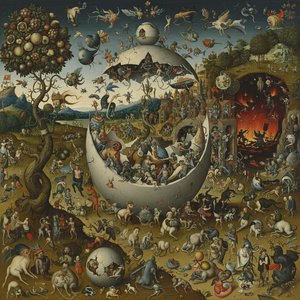
Hieronymus Bosch: Die 25 Meisterwerke des düsteren Genies – Kunst für Ihr Zuhause | OriginalUniqueArt
Entdecken Sie die 25 faszinierendsten Meisterwerke von Hieronymus Bosch! Tauchen Sie ein in die düstere Schönheit niederländischer Malerei, religiöse Symbolik und fantastische Welten. Hochwertige Kunstdrucke & Inspiration für Ihr Zuhause auf OriginalUniqueArt.com.

Goya: Die 25 Meisterwerke des spanischen Genies – Kunst für Ihr Zuhause | OriginalUniqueArt
Entdecken Sie die 25 Meisterwerke von Francisco Goya! Tauchen Sie ein in die düstere Romantik spanischer Malerei, Porträts & Historienbilder. Hochwertige Kunstdrucke auf OriginalUniqueArt.com – für Kunstliebhaber und stilvolles Wohnen.

Über uns
Entdecken Sie unsere Geschichte! Wir bringen Weltklasse-Kunst in Ihr Leben durch fachkundige Auswahl, individuelle Kreationen und kostenlose Vorschauen. Seit dem Jahr 2000 von Privatpersonen und Unternehmen geschätzt.

Öl auf Leinwand: Eine historische und technische Erkundung eines zeitlosen künstlerischen Mediums
Entdecken Sie die faszinierende Welt der Ölmalerei! Von historischen Techniken bis zur modernen Anwendung – wir bieten Expertenwissen, Restaurierungstipps und hochwertige Reproduktionen. Jetzt informieren!

El Greco: Die 25 Meisterwerke – Kunst für Ihr Zuhause | OriginalUniqueArt
Entdecken Sie die 25 bedeutendsten Meisterwerke von El Greco! Erleben Sie die spirituelle Tiefe und den dramatischen Stil des griechischen Malers. Hochwertige Kunstdrucke & Inspiration für Ihr Zuhause auf OriginalUniqueArt.com.

