Constructivism · 1924
Constructive-decorative composition (Dawit Kakabadse, 1924)
Dawit Kakabadse (1889–1952) schuf Constructive-decorative composition. Es stammt aus dem Jahr 1924. Es gehört zur Constructivism-Strömung. Die Maße sind 75 × 60 cm.
- 1924
- 75 × 60 cm

 Vorschau anzeigen

 Handgemaltes Ölgemälde
 Versenden
 Teilen
 Datenblatt


 Herunterladen
 Ähnliche Objekte
 Röntgenaufnahme
 Diashow
 Fragen & Antworten

 Statistiken
Constructive-decorative composition im Überblick
- Titel
- Constructive-decorative composition
- Künstler
- Dawit Kakabadse (1889–1952)
- Geburtsjahr des Künstlers
- Kutaisi, Georgien
- Datum
- 1924
- Maße
- 75 × 60 cm
- Bewegung
- Constructivism
- Motiv
- abstract composition, geometric forms, stylized bird”, “decorative art”, “muted palette”, “symbolic imagery”
Hochauflösende Bilder von Constructive-decorative composition

Gemeinfrei: Der Künstler verstarb im Jahr 1952.
Andere Formate, Ausschnitte und Zitierhinweise →Dawit Kakabadse, Constructive-decorative composition (1924). Gemeinfreiheit
Fragen zu Constructive-decorative composition, beantwortet
In welchem Jahr wurde "Constructive-decorative composition" von Dawit Kakabadse geschaffen?
"Constructive-decorative composition" stammt aus dem Jahr 1924. Dieses Datum ordnet das Werk in die Schaffensperiode von Dawit Kakabadse sowie in dessen Epoche ein.
Welche Maße hat das Originalwerk "Constructive-decorative composition"?
Das Originalwerk "Constructive-decorative composition" von Dawit Kakabadse hat die Maße 75 x 60 cm.
Welche Motive sind in "Constructive-decorative composition" von Dawit Kakabadse zu sehen?
Die Themen in "Constructive-decorative composition" von Dawit Kakabadse umfassen abstract composition, geometric forms, stylized bird”, “decorative art”, “muted palette”, “symbolic imagery”, “early 20th century” und fassen gemeinsam den Gegenstand des Kunstwerks zusammen.
Ist "Constructive-decorative composition" gemeinfrei?
"Constructive-decorative composition" von Dawit Kakabadse ist gemeinfrei – das Urheberrecht ist abgelaufen. Dieser Status bestimmt, wie das Bild des Werkes vervielfältigt werden darf.
Welchem Künstler wird "Constructive-decorative composition" zugeschrieben?
"Constructive-decorative composition" wird Dawit Kakabadse zugeschrieben.
Welcher Kunstrichtung lässt sich "Constructive-decorative composition" von Dawit Kakabadse zuordnen?
Die mit "Constructive-decorative composition" von Dawit Kakabadse verbundene Stilrichtung ist Constructivism. Diese Klassifizierung ordnet das Werk in den Kontext verwandter Künstler und Kunstwerke ein.
Aus welcher Schaffensperiode von Dawit Kakabadse stammt "Constructive-decorative composition"?
„Constructive-decorative composition“ entstammt der Early Period von Dawit Kakabadse. Diese Einordnung setzt das Werk in Bezug zur künstlerischen Entwicklung des Künstlers.
Wie alt war Dawit Kakabadse, als „Constructive-decorative composition“ geschaffen wurde?
Dawit Kakabadse schuf „Constructive-decorative composition“ im Alter von 35. Der Künstler wurde 1889 geboren, und das Werk datiert auf 1924.
Wie lässt sich der urheberrechtliche Status von "Constructive-decorative composition" von Dawit Kakabadse erklären?
Der Urheberrechtsstatus von "Constructive-decorative composition" – gemeinfrei – das Urheberrecht ist abgelaufen – ergibt sich aus dem Todesjahr des Künstlers im Jahr 1952.
Über den Künstler, Dawit Kakabadse

1889–1952, Georgien
Dawit Kakabadse
Einführung zu David Kakabadze David Kakabadze war ein bedeutender georgischer Avantgarde-Maler, Grafiker und Bühnenbildner. Geboren am 20. August 1889 in dem Dorf Kukhi in der Nähe der Stadt Khoni, sind Kakabdzes Werke bekannt für ihre innovative Interpretation von europäischer "linksliberaler" Kunst in Verbindung mit georgischen Traditionen. Frühes Leben und Ausbildung Kakabadze wurde in einer armen Bauernfamilie geboren.
Über Dawit Kakabadse Bemerkenswerte Werke von Dawit Kakabadse
Ebenfalls von Dawit Kakabadse
 Kubistische Komposition1920
 Paris1920
 Glaslose Stereocinematographie1922
 Skizze zur Erzeugung verschiedener Lichtstufen in einer einzelnen Glühbirne1925

Essays zu Constructive-decorative composition
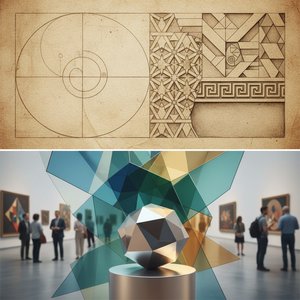 Geometric Design in Art: A Historical Survey & Contemporary Appeal for CollectorsExplore the enduring legacy of geometric abstraction! Discover key artists, historical movements & investment insights for discerning art c…
 Konstruktivismus: Die radikale Ästhetik der Geometrie und die Neudefinition der ModerneErfahren Sie alles über die radikale Ästhetik des Konstruktivismus und seine Meister. Jetzt die Geschichte der Moderne entdecken.
 Georgia O’Keeffe: Symbolismus und Landschaft – Eine Neudefinition der Moderne in der amerikanischen KunstEntdecken Sie Georgia O’Keeffes revolutionäre Kunst! Analysieren Sie ihren Symbolismus, ihre Landschaftsmalerei und ihren Einfluss auf die …