


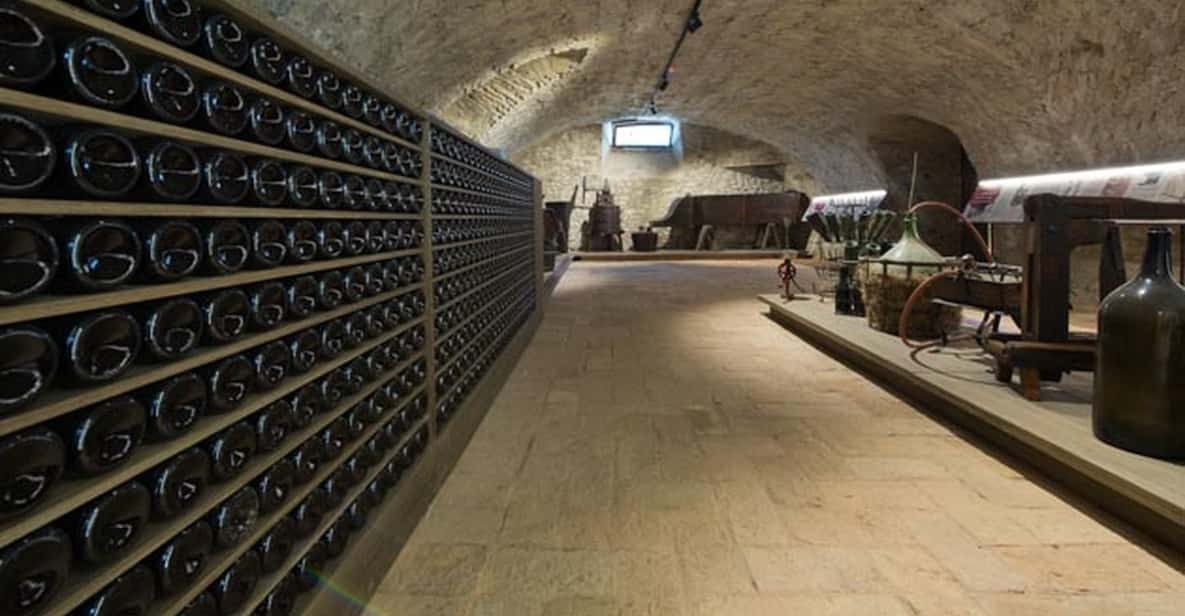
A Fortress of Flavors: Exploring the Wine Museum within Rocca Sanvitale
Nestled amidst the rolling hills of Emilia-Romagna, Italy, the Wine Museum of Sala Baganza isn’t merely a repository for ancient vintages and rustic tools; it's an immersive journey through centuries of tradition, artistry, and the very soul of Italian winemaking. Housed within the formidable yet elegant Rocca Sanvitale castle – a structure dating back to 1477 – the museum seamlessly blends historical grandeur with the region’s celebrated wine culture. The Rocca itself stands as a silent witness to shifting power dynamics and artistic flourishing; initially conceived as a defensive stronghold by Gilberto III Sanvitale, it later blossomed under the patronage of the Farnese family into a cultural hub adorned with frescoes by masters like Orazio Samacchini and Bernardino Campi. Stepping inside is akin to traversing time, encountering not just *how* wine was made, but also the social and economic context that shaped its production – a testament to the enduring connection between land, people, and liquid gold.
- A Historical Tapestry: The Rocca’s evolution mirrors the fortunes of the Sanvitale family and their subsequent patrons. From a stark military fortress to a lavishly decorated palace, each layer of construction tells a story of ambition, power, and artistic influence.
- Farnese Patronage: The arrival of the Farnese dynasty marked a turning point, transforming the Rocca into a center for art and culture. Their commitment to cultivating not only political power but also artistic and cultural life is evident in the exquisite frescoes that still grace its walls.
- Architectural Harmony: The castle’s design – a masterful blend of medieval strength and Renaissance elegance – provides a stunning backdrop for the museum's collection, creating an atmosphere that elevates the experience beyond simple display.
Echoes of the Past: A Collection Rooted in Tradition
The museum’s collection isn’t simply a display of objects; it’s a carefully curated narrative told through tangible remnants of the past. Visitors encounter an array of historical tools – vintage presses that once crushed grapes underfoot, weathered barrels that imparted their unique character to maturing wines, and delicate wine-related artifacts like intricately crafted corkscrews and decanters. These aren't isolated pieces; they are fragments of a living history, each whispering tales of generations dedicated to the art of winemaking. Delving into historical documents offers further insight, revealing detailed records that illuminate the evolution of viticulture in Sala Baganza and its surrounding territories. The museum thoughtfully presents not just *how* wine was made, but also the social and economic context that shaped its production – from medieval peasant practices to the sophisticated techniques employed by wealthy landowners.
- Ancient Tools: Witness firsthand the implements used in centuries-old winemaking processes, including presses, grape harvesting tools, and fermentation vessels.
- Barrels & Vessels: Examine a diverse collection of barrels and wine containers, each bearing witness to the unique aging characteristics imparted by its wood.
- Historical Documents: Explore archival materials that shed light on the evolution of viticulture in the region, revealing insights into farming practices, trade routes, and social customs.
Architecture as a Canvas: Rocca Sanvitale’s Enduring Legacy
The architectural setting is integral to the museum experience. Rocca Sanvitale isn't simply a container for exhibits; it actively participates in the storytelling. The castle’s walled courtyard and imposing towers evoke a sense of medieval fortitude, while the Renaissance-era frescoes within its halls speak to a period of artistic refinement. A particularly serene space is the Duchal Orchard Garden, beautifully restored to its original design as a productive orchard – a tranquil haven for reflection amidst the historical weight of the castle walls. The Farnese family’s transformation of the Rocca from fortress to palatial residence reflects their commitment to cultivating not only political power but also artistic and cultural life. The very stones seem imbued with stories, creating an atmosphere that enhances the appreciation of the wine heritage on display.
Highlights within the Rocca include:- The Great Hall: Featuring stunning frescoes by Orazio Samacchini depicting scenes of rural life and winemaking.
- The Duchal Orchard Garden: A meticulously restored orchard showcasing traditional fruit trees and agricultural practices.
- The Tower Room: Housing a remarkable collection of ancient wine bottles, including the famed “Speyer Wine Bottle,” one of the oldest known examples of preserved wine.
A Unique Convergence: History, Wine, and Scenic Beauty
What truly distinguishes the Wine Museum of Sala Baganza is its unique synthesis of historical preservation and celebration of local viticulture. It’s not a museum *about* a castle that *also* happens to have wine exhibits; it's an experience where the two are inextricably linked. The authenticity of the artifacts, combined with the breathtaking views overlooking the surrounding countryside, creates an unforgettable sensory encounter. The museum offers a rare glimpse into the soul of Emilia-Romagna – a region deeply connected to its land, its traditions, and its exquisite wines. Whether you’re a seasoned wine connoisseur or simply curious about Italy's rich cultural tapestry, a visit to this remarkable institution promises a journey that will linger long after you raise your glass.
Further research suggests the museum is continually evolving with new exhibits and events focused on regional winemaking traditions. Check their website for current programming.

