

A Tapestry of Human Ingenuity
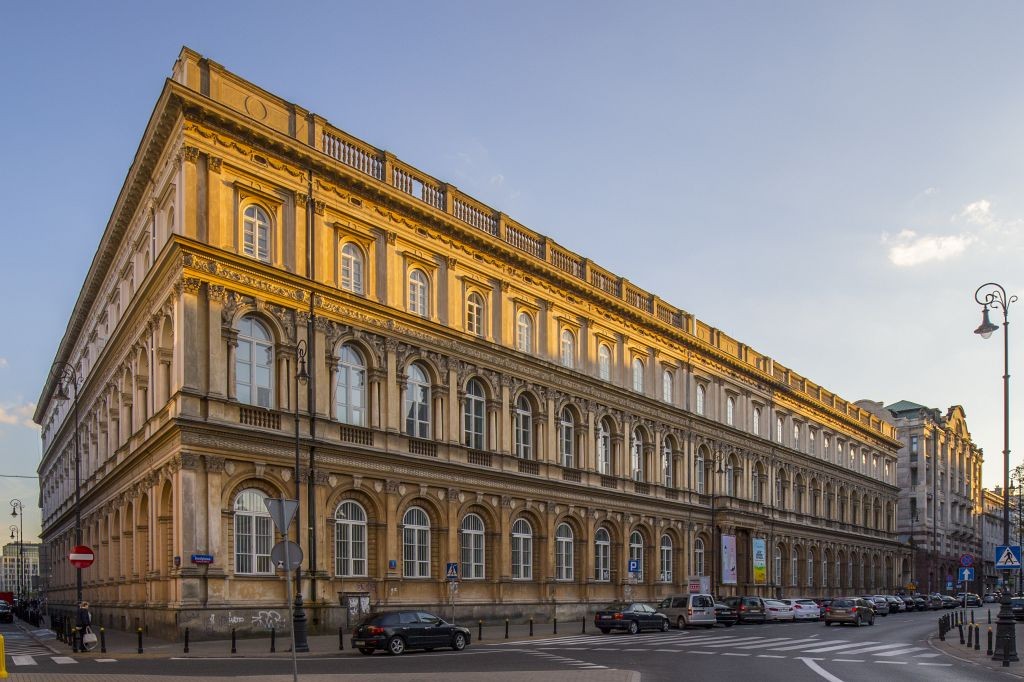
To enter The State Ethnographic Museum in Warsaw is to step beyond the boundaries of time and geography, embarking on a profound journey through the very heart of human creativity. Established in 1888, this venerable institution serves as much more than a mere repository for artifacts; it is a living chronicle of our shared existence. Nestled on Kredytowa Street, the museum acts as a guardian of Poland’s rich folk heritage, yet its gaze extends far beyond national borders, embracing a breathtaking panorama of global traditions that foster a deep sense of interconnectedness among all peoples.
A Kaleidoscope of Global Expression
The museum’s collection is an astonishing mosaic, where every object whispers a story of cultural evolution and artistic mastery. Within its halls, one finds the intimate details of Polish identity—intricately embroidered costumes that speak of regional pride and meticulously carved wooden pieces imbued with symbolic weight. This local foundation expands into a magnificent global narrative, presenting treasures that span continents. Visitors may find themselves captivated by the striking helmet masks of the Makonde tribe from Tanzania and Mozambique, or mesmerized by the delicate Christian symbolism found in European Easter eggs. The journey continues through the remarkable woven textiles of Oceania and the elaborate, earth-toned ceramics of Latin America, each piece offering a single, powerful window into the soul of its creators.
Architectural Resonance and Scholarly Depth
The physical presence of the museum is a deliberate reflection of its monumental purpose. The edifice exudes a sense of permanence and solidity, mirroring the institution's unwavering commitment to preserving heritage for generations yet unborn. Designed to prioritize the visitor’s contemplative experience, the interior utilizes natural light and spaciousness to create an immersive environment where history feels palpable. This architectural layout facilitates a seamless chronological narrative, guiding explorers through epochs of cultural development. Beyond its permanent displays, the museum remains a vibrant center for research and dialogue, hosting exhibitions that tackle contemporary issues such as the impact of globalization on indigenous traditions, thereby ensuring that ethnography remains a dynamic and vital field of study.
An Infinite Source of Aesthetic Inspiration
For the discerning collector and the visionary interior designer, the museum serves as an unparalleled treasury of visual references. The textures and patterns found within these ethnographic treasures offer endless possibilities for modern decoration. One might draw inspiration from:
- Bold geometric motifs derived from the striking textiles of Sub-Saharan Africa.
- Delicate floral arrangements and intricate embroidery techniques found in traditional Polish folk crafts.
- Organic textures and earthy palettes reflected in the ancient ceramics of indigenous Latin American cultures.
By studying these ancestral narratives, designers can create spaces that resonate with a profound sense of beauty and cultural depth, transforming modern interiors into much more than mere living spaces—they become reflections of a global heritage.