

A Symphony of Science and Soul: The Royal Victoria Infirmary Museum
In the bustling heart of Newcastle upon Tyne, where the pulse of modern medicine beats with relentless vigor, lies a sanctuary that transcends the clinical boundaries of a functioning teaching hospital. The Royal Victoria Infirmary Museum is not merely a repository of medical artifacts; it is a profound dialogue between the precision of science and the evocative power of art. For the discerning collector or the lover of historical narratives, this museum offers a rare glimpse into a world where anatomical discovery and aesthetic mastery were once inextricably linked. To wander through its halls is to experience a living chronicle of over two centuries of healing, where every canvas and specimen tells a story of human resilience and the eternal quest for knowledge.
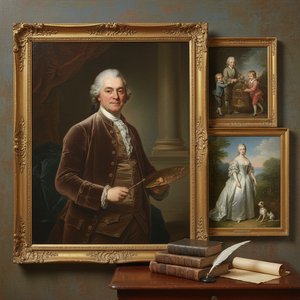
The true heartbeat of the collection resides in its extraordinary medical artistry, a curated selection of works that capture the Victorian era's intense fascination with scientific observation. Here, the brushstrokes of luminaries such as Joshua Reynolds and Francis Grant do more than decorate; they document. These masterpieces were conceived during a pivotal moment in history when artists sought to depict surgical procedures and anatomical studies with an unprecedented, almost haunting accuracy. For the art historian, these pieces represent a fascinating intersection of technique and truth, where the meticulous rendering of light and shadow serves to illuminate the complexities of the human form. The collection invites viewers to appreciate how the burgeoning aesthetic sensibilities of the nineteenth century were used to frame the often-stark realities of medical advancement.
The architectural context of the museum adds a layer of profound gravity to the viewing experience. The very foundations of the Royal Victoria Infirmary are steeped in history, resting upon land that once echoed with the footsteps of Roman settlers. As one moves through the space, the building itself acts as a monument to endurance and urban transformation. While the structure is primarily defined by its role as a cornerstone of Newcastle's industrial and healthcare heritage, its presence provides a rugged, historical backdrop that contrasts beautifully with the delicate nuances of the artworks within. This architectural resilience mirrors the evolution of the hospital itself—from its origins in 1771 as a pioneering voluntary institution to its current status as a vital pillar of the NHS.
What truly distinguishes this museum from the silent, static galleries of traditional institutions is its vibrant, breathing environment. Because it exists within the walls of an active, world-class trauma centre, there is an unparalleled intimacy to the experience. The proximity to contemporary practice allows for a dynamic interplay between the historical medical illustrations on the walls and the cutting-edge healthcare occurring just beyond the gallery doors. Recent exhibitions have masterfully explored these themes, weaving together narratives of patient experience, the evolution of surgical technique, and the delicate art of medical illustration. For interior designers seeking inspiration or scholars searching for depth, the museum offers a unique tapestry of human compassion, scientific rigor, and timeless beauty, proving that even in the pursuit of healing, art remains an essential companion.