Teatro Olimpico: A Renaissance Illusion Brought to Life
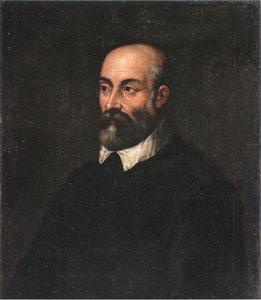
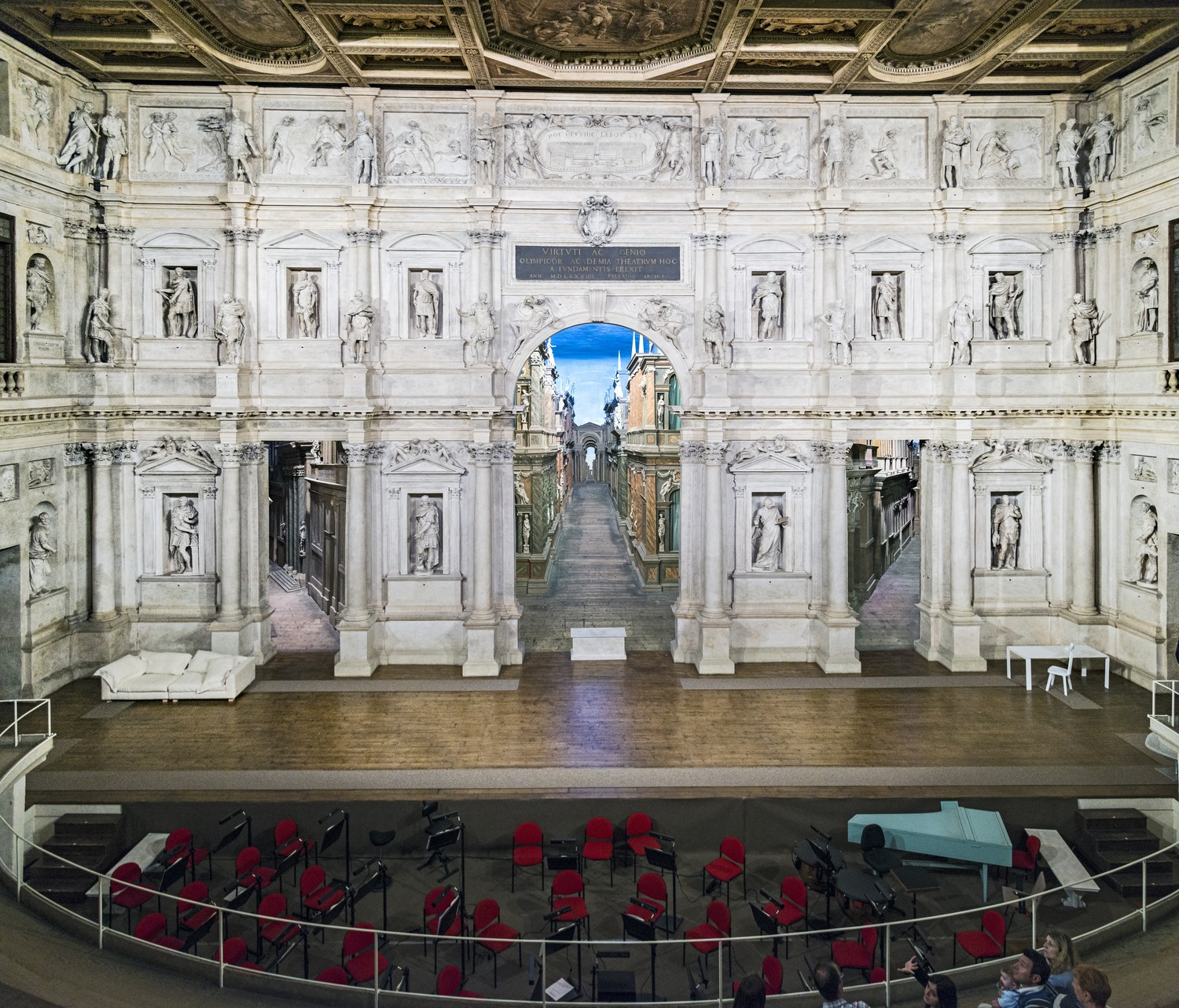
The Teatro Olimpico in Vicenza stands as an unparalleled testament to the ambition and ingenuity of Andrea Palladio and his contemporaries—a building that transcends mere architectural grandeur, immersing visitors in a meticulously crafted illusion of antiquity. Located in the Veneto region of Italy, this UNESCO World Heritage Site isn’t simply a theater; it's a living embodiment of Renaissance ideals concerning art, science, and humanist philosophy.A Roman Inspiration Like No Other
Palladio’s vision for Teatro Olimpico stemmed directly from his profound admiration for Roman amphitheaters—structures designed to inspire awe and convey grandeur through masterful engineering and spatial organization. Unlike the prevailing Baroque style prevalent at the time, Palladio opted for a classical aesthetic, prioritizing harmony and proportion as expressed in Vitruvius' *De Architectura*. The theater’s semi-circular auditorium echoes the curves of Roman arenas, creating an immediate connection to the glories of imperial Rome and establishing its foundational role within the broader artistic landscape.The Illusionistic Scenery: Scamozzi’s Genius
However, Teatro Olimpico’s true brilliance lies in its stage scenery—a breathtaking feat of illusionism conceived by Vincenzo Scamozzi. This monumental backdrop employs a technique known as *trompe l'œil*, meticulously crafted to deceive the eye and transport audiences into fantastical realms inspired by mythology and history. The expansive painted walls depict idealized landscapes, complete with distant mountains and winding roads, creating an astonishing sense of depth that defies conventional architectural limitations. This ambitious project represents one of the earliest surviving stage sets in the world, demonstrating Scamozzi’s mastery of perspective and his unwavering commitment to recreating the grandeur of ancient Rome.A Cultural Treasure: Performances and Historical Significance
Constructed between 1580 and 1585, Teatro Olimpico served as a venue for theatrical performances and court entertainments—a crucial element in fostering intellectual discourse and celebrating artistic achievement during the Renaissance. Its continued operation as a cultural center underscores its enduring legacy and ensures that visitors can experience firsthand the atmosphere of a bygone era. Today, Teatro Olimpico hosts concerts, opera productions, and educational programs, attracting scholars and enthusiasts from around the globe who appreciate its architectural splendor and its contribution to the history of theatrical art.Exploring Vicenza: Beyond the Theater
Vicenza itself—a city meticulously planned by Palladio—offers a captivating journey into the heart of Renaissance urban design. The Teatro Olimpico is just one facet of this UNESCO World Heritage Site, which encompasses numerous villas and churches showcasing Palladio’s architectural genius. Visiting Vicenza allows you to immerse yourself in an environment where art and architecture intertwine seamlessly, creating a unique cultural experience that honors Italy's artistic heritage.- Useful Links: Vicenza , LR Vicenza
- Collection Highlights: The Teatro Olimpico’s stage and scenery, Palladio's architectural details, Performances and Cultural Events.
- Additional Research: Townscape Madrid, Andrea Palladio, Teatro Olimpico