Southlands College: A Sanctuary of Leadership and Time
Nestled within the vibrant campus of Roehampton University in London, Southlands College offers a remarkably intimate glimpse into British educational history—a journey charted through its extraordinary collection of principal portraits. Currently closed to the public for conservation, this institution stands as a quiet testament to evolving leadership styles, shifting societal norms, and the enduring legacy of women in academia. More than simply a display of likenesses, these paintings are windows into the personalities and priorities that shaped Southlands College over nearly two centuries, revealing a fascinating visual timeline of institutional growth.
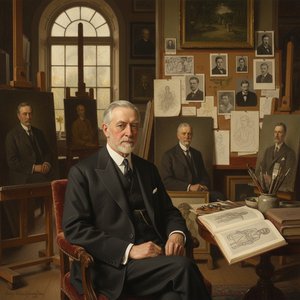
The core of the collection’s appeal lies in its meticulously curated series of formal portraits depicting each principal who guided the college. From Christina Elizabeth Brunyate (1918–1931), a pioneering figure in her time, to William Hart (1985-1993) and Michael Leigh (1993-2002), these individuals are not merely historical figures; they are rendered with a depth of character that invites contemplation. Each portrait—executed by various artists throughout the decades—offers subtle clues about their leadership philosophies, personal style, and the prevailing aesthetic sensibilities of their respective eras. The collection’s strength isn't just in its quantity but in the quality of representation, capturing not just outward appearances but also a sense of presence and authority.
A Historical Tapestry Woven Through Portraits
The portraits themselves are invaluable historical documents. They provide a compelling visual narrative of Southlands College’s evolution, mirroring changes in educational philosophy and institutional identity. Consider the shift from the more formal, almost regal depictions of earlier principals—reflecting the Victorian era's emphasis on tradition and decorum—to the slightly looser, more approachable styles adopted during the 20th century. These stylistic variations subtly illuminate the evolving role of women within academia and the changing expectations placed upon educational leadership.
The college’s history is inextricably linked to broader trends in British education. While detailed architectural records are scarce, its integration into the University of Roehampton suggests a campus rooted in a rich past. The site itself likely incorporates historic buildings, contributing to an atmosphere of continuity and scholarly tradition. Southlands College's story reflects the wider narrative of educational reform and the increasing prominence of women’s institutions – a theme powerfully illustrated by figures like Brunyate, who challenged conventional norms for female educators.
Unique in its Focused Scope
What truly distinguishes Southlands College is its remarkably focused collection. Unlike larger museums that boast sprawling, diverse holdings, this institution centers entirely on the individuals who shaped its legacy—the principals whose portraits form its heart. This deliberate curation allows for a profound and intimate understanding of the college’s identity, its values, and its place within the broader landscape of British education. The concentration creates an unparalleled opportunity to study leadership through a concentrated lens, offering insights unavailable in more generalized historical surveys.
Preserving a Legacy: Current Status & Future Potential
Currently inaccessible to the public for conservation work, Southlands College remains a vital resource for researchers, art historians, and anyone interested in Roehampton University’s history and London's educational heritage. The collection serves as an invaluable archive documenting leadership transitions and institutional shifts over time. The ongoing preservation efforts are crucial to safeguarding this unique visual record of British academic life. It is hoped that future exhibitions and scholarly publications will further illuminate the stories embedded within these remarkable portraits, ensuring that the legacy of Southlands College continues to inspire and inform.