A Tapestry of Resilience and Grandeur
Within the hallowed, soaring walls of Tulliallan Castle, history does not merely reside; it breathes. This Gothic Revival masterpiece, erected in 1827 for Lord Keith, serves as a breathtaking stage where the architectural elegance of Scotland’s Victorian era meets the profound weight of twentieth-century struggle. For those with an eye for historical depth and structural beauty, the castle offers more than just a view; it provides a sensory journey through time. The estate's expansive grounds, often visited by the vigilant oystercatcher, set a serene yet watchful tone, mirroring the very essence of the institution housed within its stone embrace.The architecture itself tells a story of transformation, having evolved from an aristocratic residence to a pivotal military headquarters. This transition from domestic splendor to a site of strategic importance creates an atmosphere of layered meaning, where every corridor and courtyard whispers tales of both prestige and purpose.
The Intersection of Duty and Remembrance
The true allure of the Scottish Police College lies in its unique ability to weave disparate threads of human experience into a single, cohesive narrative. It is a place where the disciplined evolution of law enforcement intersects with the poignant echoes of wartime defiance. During the dark days of World War II, these very halls served as the operational heart for the Free Polish Army—a sanctuary of hope and resistance against Nazi occupation.This juxtaposition creates an emotional landscape unlike any other museum experience. Visitors are invited to contemplate the delicate balance between the pursuit of societal order and the preservation of national freedom. The presence of Polish history within this Scottish landmark adds a layer of international significance, making the college a site of profound reverence for those who value the intersection of cultural heritage and global resilience.
Artifacts of Vigilance and Wisdom
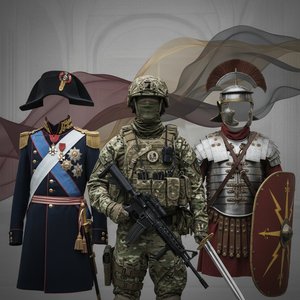
To wander through the college’s exhibits is to engage in a silent dialogue with the past. The collection transcends simple displays of equipment, presenting instead a curated study of human ingenuity and forensic evolution. One might encounter:- The intricate textures of bygone constable uniforms that reflect the changing social fabric of Scotland.
- Innovative investigative tools that mark the dawn of modern analytical science.
- Immersive crime scene reconstructions that challenge the observer to grapple with the ethical complexities of justice.