Schönbrunn Palace: A Legacy of Habsburg Grandeur
Schönbrunn Palace stands as an enduring testament to Austria’s imperial past—a sprawling baroque complex that embodies not merely architectural splendor but also the evolving tastes and ambitions of successive rulers, culminating in Emperor Franz Joseph I's final residence. Its story begins humbly enough, with Maximilian II acquiring a riverside estate in 1569 for hunting purposes, establishing what would become a magnificent symbol of dynastic power. The palace’s transformation into a baroque masterpiece commenced under Maria Theresa in the mid-18th century, reflecting her vision for Austria as a center of culture and elegance.
-
Architectural Significance:
Schönbrunn's design is a harmonious blend of Baroque grandeur and Neoclassical influences, spearheaded by architects Johann Bernhard Fischer von Erlach and Nicolaus Pacassi. Their meticulous planning ensured that every element contributed to the palace’s overall impression—a space both imposing and inviting.
-
Historical Context:
From its inception as a hunting lodge to its role in hosting pivotal moments like the Congress of Vienna, Schönbrunn witnessed Austria's transformation from an imperial stronghold to a cherished national landmark.
But Schönbrunn transcends mere architectural grandeur; it’s a *Gesamtkunstwerk*, a total work of art where architecture, gardens, and landscape design coalesce seamlessly. The meticulously sculpted gardens stretch for miles, offering breathtaking panoramic vistas of Vienna—a deliberate effort to showcase the Habsburg dynasty's wealth and influence. Ascending to the Gloriette, perched atop a hill overlooking the palace, rewards visitors with unparalleled views and embodies the Baroque ideal of elevating human perception.
-
The Gardens:
The expansive gardens are divided into formal and informal zones, featuring fountains, sculptures, and meticulously manicured lawns—a testament to the Habsburgs’ fascination with horticulture and their commitment to creating a sublime landscape experience.
-
Notable Sculptures:
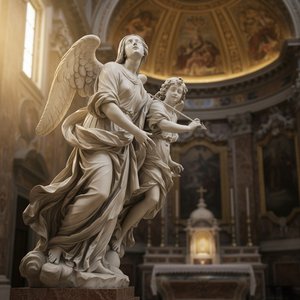
Among the many statues adorning the gardens are masterpieces by Christian Wilhelm Beyer and Johann Baptist Hagenauer, reflecting artistic trends of the era and celebrating historical figures.
The Palm House, established in 1752, represents a pioneering achievement in Victorian horticulture—housing exotic plants from around the globe and transporting visitors to tropical paradises. It stands as a tangible reminder of Austria’s engagement with scientific exploration and its role in shaping botanical knowledge. Furthermore, Schönbrunn houses Tiergarten Schönbrunn, the oldest zoo in the world, founded by Maria Theresa and continuing to evolve into a modern conservation center.
-
Tiergarten Schönbrunn:
Today's zoo is home to thousands of animals from diverse habitats—a legacy of Habsburg patronage for animal welfare and scientific research.
-
Contemporary Exhibitions:
Schönbrunn regularly hosts exhibitions exploring themes ranging from art history to science and technology, engaging visitors with fresh perspectives on cultural heritage.
Schönbrunn Palace has captivated artists throughout history—Gustav Klimt’s “Park of Schönbrunn” captures the serene beauty of the gardens, while Giovanni Antonio Canal's "Vienna Viewed from the Belvedere Palace" offers a glimpse into Vienna’s Baroque cityscape. The palace continues to inspire designers and architects today, its timeless elegance resonating across generations and serving as an enduring symbol of Austrian cultural identity. Its virtual reality experience allows visitors to immerse themselves in Schönbrunn’s history—a remarkable feat of innovation that honors its heritage while captivating a new audience.