

Schloss Nymphenburg: A Symphony of Baroque Grandeur and Rococo Elegance
Nestled in the heart of Munich, Germany, Schloss Nymphenburg stands as a testament to Bavarian royal history and artistic achievement. More than just a palace, it’s an immersive experience—a journey back to the opulent 18th century where art flourished alongside meticulously landscaped gardens and captivating tales of monarchs and their families unfolded. Today, visitors can explore its breathtaking interiors adorned with masterpieces by Bernardo Bellotto and Johann Baptist Zimmermann, immersing themselves in the legacy of Bavaria's golden age.A Royal Residence Steeped in History
Originally conceived as a summer retreat for Maximilian I, Elector of Bavaria, Schloss Nymphenburg quickly evolved into a symbol of Bavarian power and artistic patronage under subsequent rulers. Its construction began in 1664 and continued through the reigns of Ludwig II, cementing its place as one of Germany’s most important architectural monuments. The palace served not only as a residence but also as a focal point for cultural life, hosting royal celebrations and fostering connections between art and science—a deliberate ambition reflecting the Enlightenment ideals prevalent at the time.Visual Treasures: Bellotto's Vedute and Rococo Splendor
The palace’s artistic treasures are particularly noteworthy thanks to Bernardo Bellotto’s panoramic vedute paintings capturing Munich’s cityscape with remarkable precision. These monumental canvases offer a glimpse into the urban landscape of the era, showcasing the grandeur of Bavarian architecture and daily life. Alongside these vistas reside exquisite Rococo interiors—primarily housed in the Amalienburg hunting lodge—featuring intricately carved furniture, shimmering fabrics, and pastel hues that epitomize the stylistic sensibilities of the period. Johann Baptist Zimmermann’s ceiling frescoes within the palace exemplify the artistic mastery of his time, transporting viewers into fantastical realms of mythological narratives and decorative splendor.Architectural Marvel: Baroque Symmetry Meets Rococo Delight
Schloss Nymphenburg embodies Baroque architectural principles with its symmetrical façade and expansive gardens—a deliberate design intended to convey stability and majesty. However, nestled within these formal grounds is the Amalienburg pavilion, a jewel of Rococo art that introduces an element of playful elegance and ornamentation. The harmonious blend of Baroque grandeur and Rococo delicacy underscores the palace’s enduring appeal as a masterpiece of architectural and artistic innovation.Beyond Walls: Exhibitions and Ongoing Preservation
Schloss Nymphenburg continues to inspire visitors with its rich history and captivating collections. Regular exhibitions delve into various facets of Bavarian royal life, art history, and cultural heritage, providing insights into the lives of monarchs like Ludwig II and fostering appreciation for artistic traditions. Furthermore, ongoing conservation efforts ensure that Schloss Nymphenburg’s splendor remains accessible to future generations—a commitment to preserving this irreplaceable monument of German culture.- Visit: https://www.schloss-nymphenburg.de/englisch/tourist/index.htm
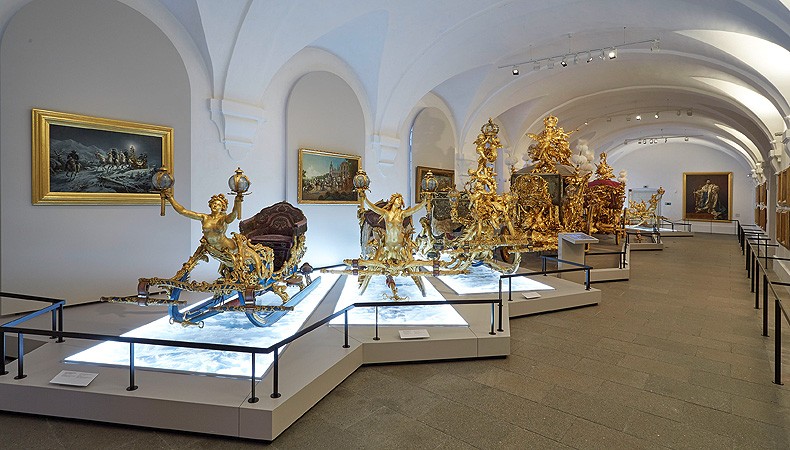
- Explore the Marstallmuseum Carriage Collection.
- Admire Bellotto’s Vedute paintings capturing Munich's beauty.