A Sanctuary of Heritage and Artistic Vision
Nestled within the medieval splendor of Toruń, Poland, the Museum of Nicolaus Copernicus University stands as much more than a mere repository for artifacts; it is an invitation to wander through a confluence of intellectual curiosity and profound artistic expression. To enter this institution is to step into a space where history breathes through meticulously preserved ceilings and grand, sweeping staircases that command reverence. The museum’s edifice, originally conceived as a branch of the National Bank of Poland, serves as a stunning testament to architectural preservation. Its Neo-Renaissance design, carefully safeguarded by municipal conservators, provides an unforgettable, stately backdrop that narrates tales of bygone eras even before one encounters the treasures within.
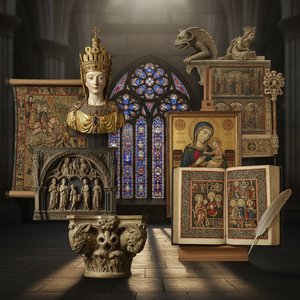
The collection itself defies geographical boundaries, presenting a breathtaking panorama that spans millennia and continents. Visitors are transported on a visual journey through time, encountering the delicate whispers of Roman glass and the ancient gravity of Greek ceramics. The museum’s halls hold a global tapestry of human creativity, ranging from pre-Columbian artifacts and African wood sculptures to the intricate beauty of Etruscan terracotta and captivating Hindu art. This vast diversity speaks to a universal human impulse: the drive to convey meaning and capture beauty through form. For the seasoned collector or the curious traveler, each piece offers a window into a different soul, making the museum a vital crossroads of world heritage.
A Narrative of Resilience and Scientific Legacy
Beyond its global reach, the museum holds a deeply personal connection to the Polish spirit, particularly through its poignant explorations of 20th-century history. One of its most moving narratives is found in exhibitions focusing on Polish artists who sought refuge and inspiration abroad during the tumultuous decades of the last century. These works illuminate a story of displacement, adaptation, and an unwavering artistic resilience that continues to inspire contemporary viewers. This theme of endurance is mirrored in the museum’s very identity, as it operates not only as a showcase for art but as an active research center deeply rooted in the heritage of Nicolaus Copernicus University.
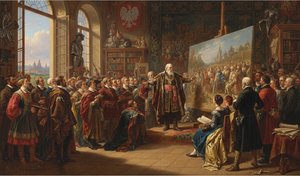
The museum also pays homage to its namesake through iconic portraits that capture the essence of the Renaissance. A monumental engraving by Felicjan Szczesny Kowarski, portraying Nicolaus Copernicus himself, exemplifies the artistic precision and scientific legacy that define the university’s foundation. This reverence for lineage extends to the university’s historical insignia—chains, sceptres, and rings representing successive rectors—displayed with solemnity in the Rectors’ Hall. Such objects embody a continuous line of academic leadership and artistic patronage, reminding us that the pursuit of knowledge and the appreciation of beauty are inextricably linked.
A Legacy of Patronage and Discovery
The extraordinary depth of the museum's collection is a testament to the remarkable benevolence of individuals who entrusted their life's passions to its care. The names of benefactors such as Wiesław Litewski, Aleksander Werner, and particularly Marek Żuławski resonate through the galleries. The widow of Żuławski, Maryla Żuławska, played a pivotal role by donating a significant body of work that delves into profound themes exploring the human condition with striking honesty. It is this spirit of generosity that allows the museum to remain a vibrant, living institution, offering a continuous evolution of styles from the 17th to the 20th centuries.
For the interior designer seeking inspiration or the art lover searching for hidden gems, the museum offers an unparalleled atmosphere of discovery. With admission being free—a deliberate gesture to foster widespread cultural engagement—the institution remains accessible to all who seek to be moved by the power of creativity. Whether you are drawn by the scholarly rigor of its research or the aesthetic splendor of its halls, the Museum of Nicolaus Copernicus University promises an experience where the walls whisper tales of history, artistry, and the eternal human quest for enlightenment.