


A Journey Through Spanish Sculpture: The Museo Nacional de Escultura in Valladolid
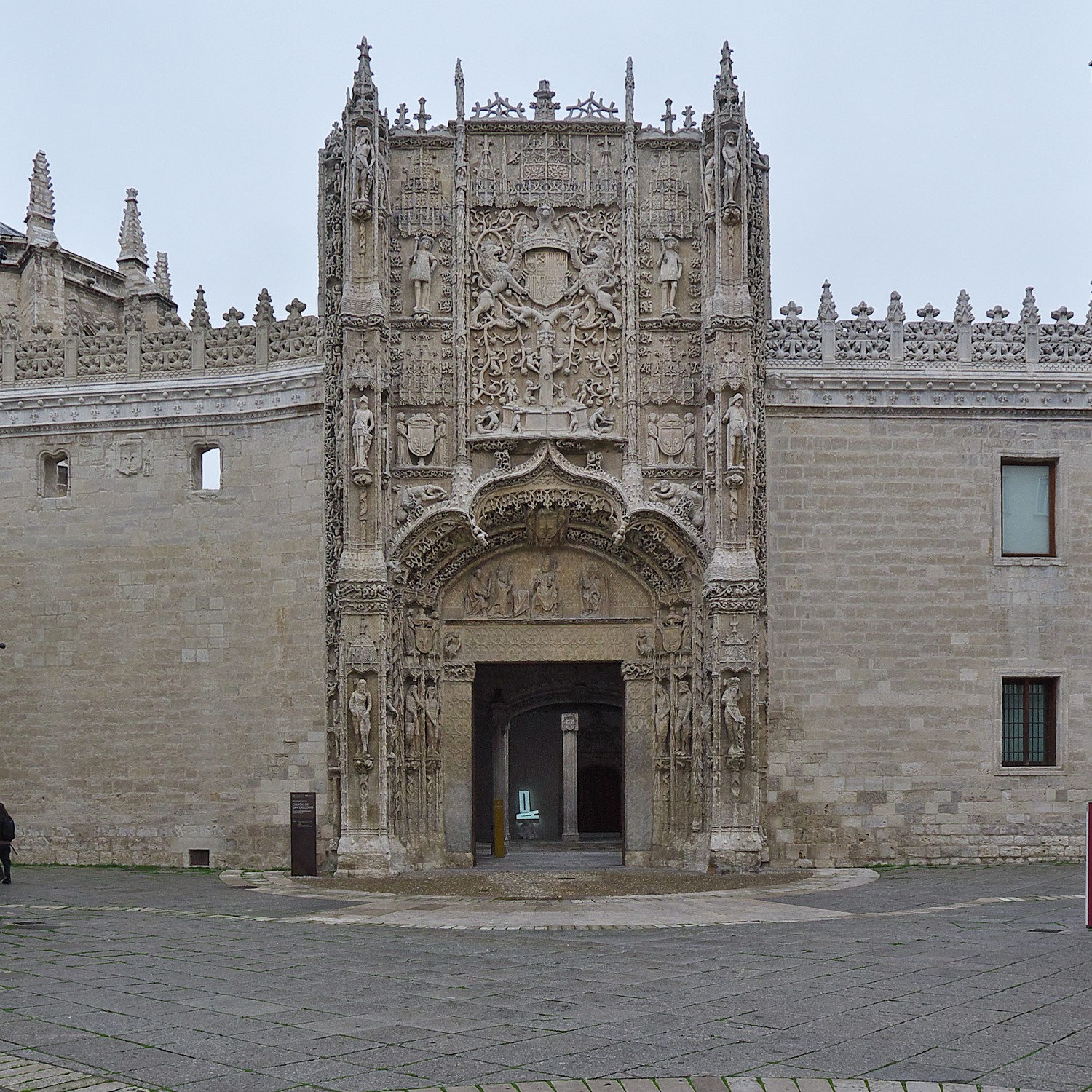
Nestled within the historic heart of Valladolid, Spain, lies a treasure trove for those captivated by the enduring power and profound beauty of sculpture – the Museo Nacional de Escultura. More than simply a repository of artworks, this museum offers an immersive experience, transporting visitors through centuries of Spanish artistic evolution, from the solemnity of the Middle Ages to the dramatic fervor of the Baroque. The museum’s unique location, spread across three magnificent historical buildings—the breathtaking Colegio de San Gregorio, the opulent Palacio de Villena, and the stately Palacio del Conde de Gondomar—adds a layer of architectural grandeur that perfectly complements its remarkable collection.
The story of the Museo Nacional de Escultura is inextricably linked to Spain’s own. Founded in 1842 as the Provincial Museum of Fine Arts, it initially focused on a broader range of artistic disciplines. However, a pivotal moment arrived in 1836 when religious art was confiscated from churches and monasteries across the region – an event that dramatically shaped the museum's trajectory. This unique origin story—rooted in the suppression of religious imagery—gives the collection a poignant narrative depth, revealing not just artistic skill but also the shifting social and political landscape of Spain. The museum’s core strength resides in its unparalleled collection of Spanish religious sculpture, a testament to the nation’s deep-seated faith and artistic tradition.
Masterpieces of Faith and Form
Within the museum's walls, visitors encounter an astonishing array of sculptures that vividly depict biblical scenes, saints, and devotional figures. The works of Alonso Berruguete, a pivotal figure in Spanish Renaissance sculpture, are particularly striking. His “Adoration of the Magi,” a monumental piece housed within the Colegio de San Gregorio, exemplifies the artist’s masterful use of form and emotion, capturing the awe and reverence of the scene with remarkable detail. Equally compelling is Juan de Juni's "Lamentation of Christ," a deeply moving portrayal of grief that showcases the Baroque era’s emphasis on emotional intensity. Gregorio Fernández’s sculptures, especially those depicting scenes from the Passion of Christ, are renowned for their dramatic realism and powerful storytelling—a testament to his skill in conveying human suffering and spiritual devotion.
Beyond these celebrated works, the museum boasts a rich collection spanning the Medieval period. Early Romanesque and Gothic examples offer a fascinating glimpse into the artistic foundations of Spanish sculpture, revealing the evolving stylistic influences that shaped subsequent generations of artists. The transition from the stylized forms of the Middle Ages to the more naturalistic depictions of the Renaissance is clearly illustrated through the museum’s holdings, providing a valuable educational experience for art enthusiasts.
Architectural Harmony and Historical Context
The architectural setting of the Museo Nacional de Escultura is as captivating as its collection. The Colegio de San Gregorio, with its soaring Gothic arches and intricate stonework, provides a dramatic backdrop for the sculptures housed within. The Palacio de Villena, a 16th-century palace, adds an element of Renaissance elegance to the museum’s ensemble, while the Palacio del Conde de Gondomar contributes further to the overall sense of historical grandeur. These buildings are not merely functional spaces; they are integral components of the museum's narrative, reflecting the evolving architectural styles and cultural values of different eras.
A Living Tradition: Holy Week and Beyond
The Museo Nacional de Escultura’s significance extends beyond its permanent collection. During Holy Week in Valladolid, a remarkable tradition unfolds as the museum lends over 100 sculptures to local brotherhoods for use in elaborate processions. This practice ensures that the art remains actively engaged with the community's religious traditions, demonstrating a vibrant connection between artistic heritage and contemporary faith. This commitment to preserving and celebrating Spanish cultural identity is a defining characteristic of the museum.
Planning Your Visit
The Museo Nacional de Escultura offers a truly unforgettable experience for art lovers and history enthusiasts alike. With its stunning collection, remarkable architectural setting, and rich historical context, it’s a must-see destination in Valladolid. For current opening hours and ticket information, please visit the official website .




