
A Fortress of Memory: The Soul of Brittany Within Stone
To step through the gates of the Musées du Château Des Ducs de Bretagne is to leave the modern bustle of Nantes behind and enter a realm where time breathes through granite and tufa. This magnificent edifice, a seamless marriage of medieval fortification and Renaissance elegance, serves as much more than a mere museum; it is a living chronicle of the Duchy of Brittany. As one wanders beneath the imposing towers and along the formidable defensive walls, there is a palpable sense of the weight of history. The architecture itself tells a story of transformation, where the rugged, protective shell of a 15th-century stronghold gradually softened into a sophisticated ducal palace, reflecting the shifting ambitions of the Dukes who once called these halls home.
The very fabric of the castle mirrors the complex identity of the region—a landscape defined by its fierce independence and its eventual, poignant integration into the French kingdom. The transition from the austere, defensive structures of the Middle Ages to the delicate loggias and refined interiors of the Renaissance period offers a visual journey through an era of blossoming cultural wealth. For the art lover and the historian alike, the castle stands as a monumental testament to the architectural duality of Brittany, where strength meets grace in every carved stone and courtyard.
A Tapestry of Human Drama and Artistic Splendor
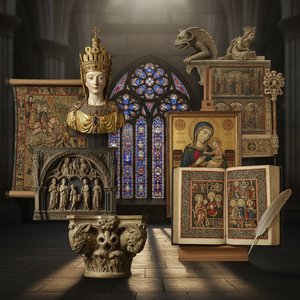
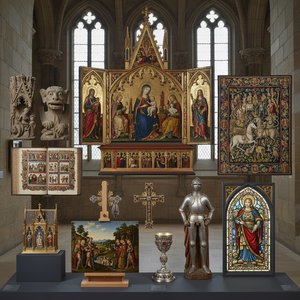
Within these storied walls, the collections weave a narrative that is as beautiful as it is deeply moving. The museum meticulously preserves the legacy of Anne of Brittany, a figure of immense historical gravity whose life as a queen twice over shaped the destiny of two nations. Through her influence, the halls are imbued with the spirit of a patroness who understood the power of art to cement political and cultural permanence. Visitors can encounter medieval weaponry that evokes the chivalric codes of old, alongside Renaissance masterpieces that capture the intellectual awakening of a new age.
Yet, the museum’s true depth lies in its courage to confront the shadows of the past. The collections do not merely celebrate glory; they offer an unflinching examination of Nantes’ profound and painful connection to the transatlantic slave trade. This essential, sobering dialogue ensures that the museum remains a place of reflection and education, making it a destination of immense importance for those seeking a complete understanding of global history. It is this balance—the ability to hold both the splendor of the Renaissance and the gravity of human struggle in equal measure—that gives the Château its unique, haunting resonance.
A Dynamic Stage for Contemporary Dialogue
While the permanent collections anchor the museum in the deep roots of Breton history, the Musées du Château Des Ducs de Bretagne refuses to remain a static relic of the past. It functions as a vibrant cultural hub, constantly revitalizing its halls with temporary exhibitions that bridge the gap between centuries. The recent, much-celebrated displays featuring the intricate woodblock prints of Hokusai demonstrate a bold commitment to international artistic dialogue, inviting collectors and enthusiasts to see the castle through a global lens. This infusion of contemporary and international art ensures that the museum remains a living, breathing entity.
For the interior designer or the connoisseur of fine spaces, the museum offers endless inspiration, from the dramatic interplay of light in its historic galleries to the curated tension between ancient stone and modern curation. It is a place where history is not merely studied but felt—an immersive experience that invites every visitor to contemplate their place within the long, winding tapestry of human existence.