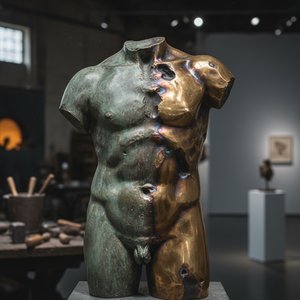
A Journey Through Time and Breton Soul: Exploring the Musée Départemental Dobrée
Nestled within a remarkably preserved medieval palace in the heart of Nantes, France, the Musée Départemental Dobrée is more than just a museum; it’s a captivating portal to the rich tapestry of Loire-Atlantique's history and artistic heritage. Originally conceived as the private residence of the esteemed collector Thomas Dobrée in the late 19th century, this architectural marvel seamlessly blends Romanesque revival aesthetics with elements of Breton tradition, creating an atmosphere that is both grand and intimately inviting. The museum’s evolution from a personal collection to a public institution reflects a profound commitment to preserving and sharing the region's diverse cultural legacy – a legacy encompassing archaeology, Breton art, antique collections, and a remarkable sculptural presence.
The heart of the Dobrée experience lies in its remarkably varied holdings. Visitors are immediately drawn into an archaeological journey spanning millennia, from prehistoric settlements revealing glimpses of early human life to Roman artifacts that whisper tales of imperial influence. However, it’s the museum's dedication to Breton art that truly sets it apart. This isn’t simply a display of regional crafts; it’s a vibrant celebration of a unique cultural identity, manifested in intricate folk art, evocative paintings depicting the rugged beauty of Brittany’s coastline and rural life, and sculptures imbued with the spirit of Breton mythology and tradition. The museum's collection includes significant works by Émile Alfred Dezaunay, whose seascapes capture the dramatic light and atmosphere of the Atlantic coast, and Charles-Auguste Lebourg, a sculptor whose monumental work on the Wallace Fountains in Paris is echoed in smaller, equally compelling pieces within the Dobrée’s walls. Beyond these prominent figures, one discovers a wealth of lesser-known artists who have contributed to the region's artistic identity.
A Palace of Layers: Architecture and Historical Context
The museum’s setting is as integral to its appeal as its collections. The palace itself – a testament to 15th-century architecture – stands as a powerful reminder of Nantes’s medieval past. Originally built as an episcopal manor, the structure underwent significant transformations under Thomas Dobrée, who envisioned it as a showcase for his burgeoning collection. This ambitious project resulted in a fascinating blend of architectural styles, reflecting Dobrée's eclectic tastes and his desire to create a space that was both aesthetically pleasing and historically resonant. The addition of the “Voltaire” building in the 20th century further expanded the museum’s capabilities, providing dedicated spaces for storage and conservation while maintaining the palace’s original character. The surrounding Anglo-Norman garden adds another layer of beauty and tranquility to this exceptional site, offering visitors a chance to connect with nature amidst the echoes of history.
Notable Acquisitions and Unique Features
Beyond its broad thematic scope, the Musée Dobrée boasts several particularly noteworthy acquisitions that warrant attention. The museum’s collection of antique furniture offers a fascinating glimpse into past lifestyles, showcasing craftsmanship from various periods and reflecting evolving tastes in design. The display of ceramics reveals the artistic traditions of Brittany and beyond, while the selection of decorative arts provides insights into the rituals and customs of bygone eras. However, perhaps one of the most poignant treasures is the reliquary containing Anne de Bretagne’s heart – a powerful symbol of Breton identity and a testament to the region's enduring connection to its royal past. The story surrounding this relic, including the daring 2018 theft and subsequent recovery, adds an element of intrigue and underscores the museum’s commitment to safeguarding its most precious artifacts.
Experiencing the Dobrée: A Holistic Approach
A visit to the Musée Départemental Dobrée is not merely a passive observation of objects; it's an immersive experience designed to stimulate curiosity and foster a deeper understanding of Loire-Atlantique’s multifaceted heritage. The museum’s curators have skillfully integrated archaeology, art, and history into a cohesive narrative, offering visitors a holistic perspective on the region’s evolution over centuries. The museum actively encourages engagement through interactive displays, informative signage, and guided tours – ensuring that all visitors, regardless of their background or expertise, can appreciate the richness and complexity of its collections. The museum's commitment to accessibility is evident in its efforts to cater to diverse audiences, including those with disabilities.
Planning Your Visit
Located at 18 Place Jean V, Nantes, the Musée Départemental Dobrée is easily accessible by public transport. The Copernic – Musées tram line offers direct access, as do several bus routes. Parking facilities are available nearby. The museum’s website ( https://www.musee-dobree.fr/ ) provides detailed information on opening hours, admission fees, and special events. Don't miss the opportunity to explore the surrounding area – Nantes is a vibrant city with a wealth of cultural attractions waiting to be discovered.