

A Cultural Beacon in the Pacific: The Soul of Honolulu Museum of Art
Nestled amidst the breathtaking beauty of Hawaiʻi, the Honolulu Museum of Art stands as a profound testament to artistic vision and cultural dialogue. Since its founding in 1922 by the visionary Anna Rice Cooke, this singular institution has evolved from modest beginnings into the largest and most comprehensive art museum on the islands. It serves not merely as a repository for masterpieces but as a living, breathing beacon of creativity that celebrates the harmonious fusion of Eastern and Western traditions. To step into its galleries is to embark on an immersive journey through centuries of human achievement, where the spirit of exploration is palpable in every brushstroke and sculpted form.
The museum’s extraordinary breadth is immediately apparent, offering a captivating panorama of global artistry that speaks to both the historian and the aesthete. Within its walls, the James A. Michener Collection presents one of the most significant assemblages of Japanese ukiyo-e woodblock prints in the United States, allowing viewers to wander through the delicate, ephemeral worlds of the Edo period. This Eastern elegance is beautifully juxtaposed with the refined craftsmanship of Chinese ceramics and the serene, meditative presence of Buddhist sculptures. Yet, the dialogue does not end at the Pacific shores; the halls are illuminated by the light of European masters, where the Impressionistic landscapes of Monet and the Post-Impressionist emotional depth of Gauguin and Picasso create a rich tapestry of color and form. For those drawn to the ancestral heritage of the islands, the significant collections of Native Hawaiian and Oceanic art offer a poignant and powerful connection to the natural pigments and masterful techniques of the region.
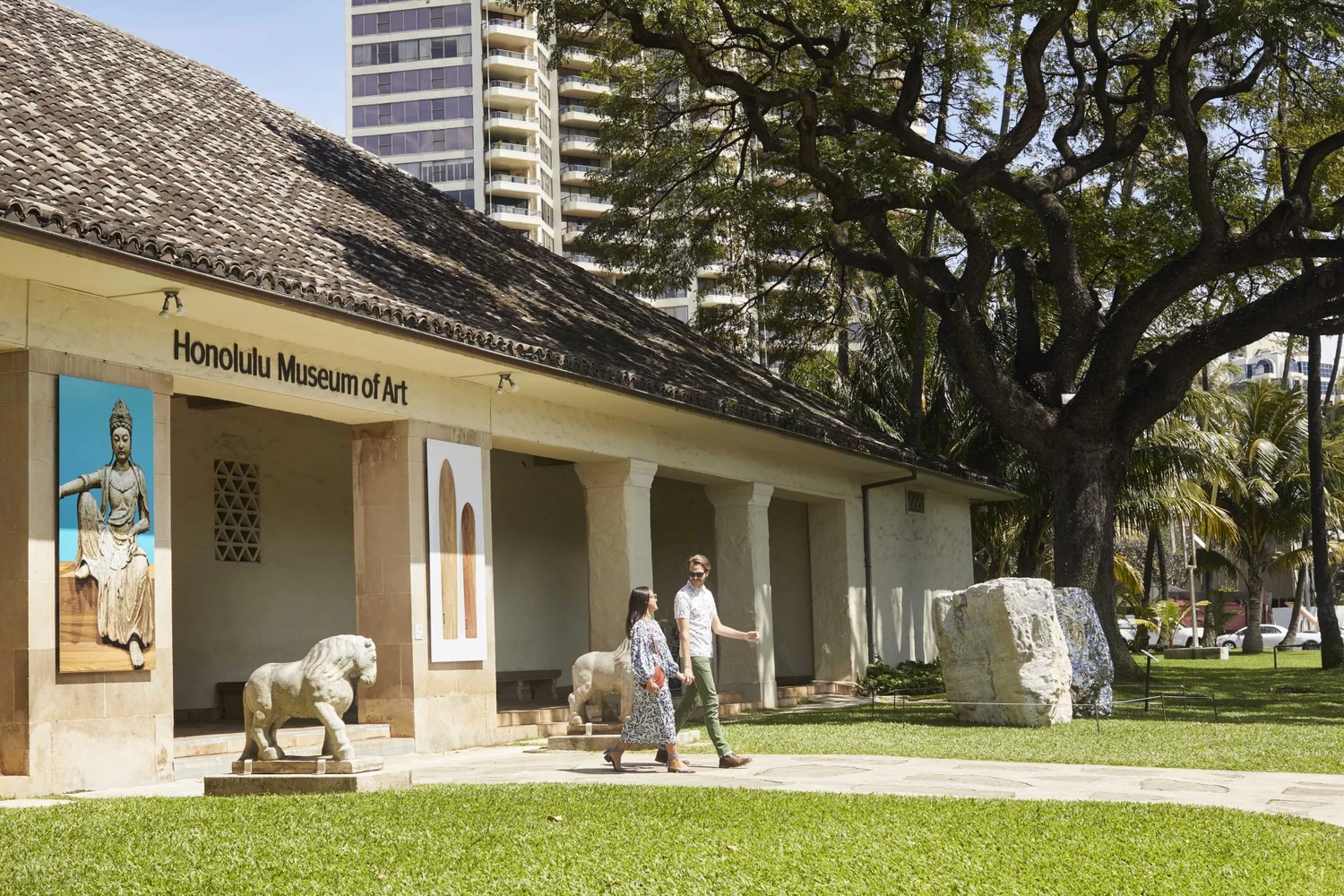
The architectural experience of the museum is itself an artistic endeavor, designed to elevate the visitor's sensory engagement. The museum strikes a perfect balance between intimacy and grandeur; historic buildings house quiet, contemplative spaces dedicated to timeless treasures, while the Henry R. Luce Pavilion Complex offers expansive, airy galleries bathed in radiant natural light. This luminosity provides a superb setting for both ambitious exhibitions and contemporary installations, making it a sanctuary for those seeking inspiration. The landscape further enhances this sense of peace, as open courtyards and tranquil ponds punctuate the grounds, creating pockets of serenity that encourage deep reflection and awe.
What truly distinguishes the Honolulu Museum of Art is its relentless commitment to innovation and its role as a conduit for cultural understanding. Recognized by the legendary J. Carter Brown as “the finest small museum in the United States,” the institution continues to push boundaries through dynamic educational programs and groundbreaking exhibitions that explore themes ranging from Pacific Islander history to global artistic influences. With the integration of the Spalding House , the museum has solidified its place at the vanguard of contemporary discourse. It remains a rare space where ancient traditions coexist seamlessly with modern sensibilities, inviting collectors, designers, and dreamers alike to delve into the narratives of our shared human condition.