

A Window into a Changing World: Hall i’ th’ Wood Museum
Nestled within the historic heart of Bolton, England, Hall i’ th’ Wood Museum isn't merely a repository of artifacts; it’s a meticulously preserved portal to 17th and 18th-century life. This charming manor house, a Grade I listed building dating back to the early sixteenth century, offers an intimate glimpse into a world shaped by innovation, industry, and evolving social customs. Originally conceived as a modest dwelling for a wealthy merchant family, Hall i’ th’ Wood evolved over centuries, absorbing layers of history and reflecting the changing fortunes of its occupants – a fascinating narrative woven within its timber-framed walls.
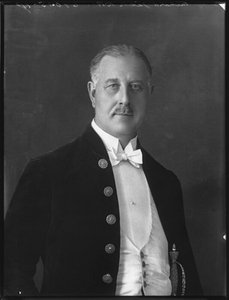
The museum's story is inextricably linked to Samuel Crompton, the brilliant inventor whose Spinning Mule revolutionized the textile industry. Crompton resided here in the late 18th century, and it was within these very rooms that he conceived of his groundbreaking machine – a testament to the intersection of domestic life and industrial progress. The house’s transformation from a private residence into a public museum is itself a poignant tale of philanthropy; Lord Leverhulme generously donated Hall i’ th’ Wood to Bolton in 1899, recognizing its significance as a tangible link to the town's rich heritage. The subsequent restoration efforts, spearheaded by Jonathan Simpson and Edward Ould, ensured that the building retained its authentic character while providing a suitable space for showcasing its treasures.
A Collection of Domestic Treasures
Step inside, and you’ll be immediately enveloped in an atmosphere of understated elegance. The museum's collection is dominated by a remarkably preserved assemblage of 17th and 18th-century furniture – not grand state pieces, but rather the everyday objects that defined domestic life during this period. You’ll find intricately carved chests of drawers, sturdy oak tables bearing witness to countless family meals, and comfortable upholstered chairs reflecting evolving notions of comfort and style. These aren't simply decorative items; they are silent storytellers, offering insights into the craftsmanship, social hierarchies, and material culture of the era.
Beyond furniture, the collection includes a diverse array of domestic implements – pewter tableware, linen fabrics, tools for spinning and weaving (a poignant reminder of Crompton’s legacy), and even children's toys. A particular highlight is a selection of portraits depicting members of the Brownlow family, the original owners of Hall i’ th’ Wood, providing valuable visual documentation of their lives and social standing. The museum also houses a small but significant collection of textiles, showcasing the intricate patterns and techniques employed in weaving during this period.
The Industrial Revolution's Echoes
Hall i’ th’ Wood isn’t just about the past; it serves as a powerful reminder of Bolton’s pivotal role in the Industrial Revolution. The museum skillfully connects the domestic setting with the broader economic and social transformations that swept through the region during the 18th and 19th centuries. Exhibits explore the impact of Crompton's invention on the town’s economy, its population growth, and the changing landscape of Bolton itself. The building’s evolution from a private residence to a public museum mirrors this broader narrative – a testament to the enduring legacy of innovation and progress.
Architectural Details & Historical Significance
The architecture of Hall i’ th’ Wood is as captivating as its contents. The original structure, built in 1591, showcases the characteristic features of early Tudor domestic architecture: a timber-framed skeleton clad with wattle and daub, topped by a sturdy stone-flagged roof. Subsequent additions, including the stone walls erected in 1648, demonstrate the evolving building techniques of the period. The interior spaces are thoughtfully arranged to evoke a sense of authenticity, with original fireplaces, exposed beams, and carefully restored flooring. The museum’s layout provides visitors with an immersive experience, allowing them to step back in time and imagine what life was like within these walls centuries ago.
A Unique Visitor Experience
Hall i’ th’ Wood offers a rare opportunity to connect with the past on a deeply personal level. The museum's intimate scale, combined with its rich collection and evocative atmosphere, creates a truly memorable experience. Currently closed for essential maintenance, visitors are encouraged to check the official website for updates on reopening dates – a testament to the ongoing commitment to preserving this invaluable piece of Bolton’s heritage. It stands as a quiet reminder that within the walls of Hall i' th' Wood, history isn’t just read; it’s felt.