A Hidden Gem of Ancient Rome: Santi Nereo e Achilleo
Nestled within the vibrant heart of Rome, a stone’s throw from the imposing grandeur of the Baths of Caracalla, lies a church often overlooked by the throngs of tourists – Santi Nereo e Achilleus. More than just a place of worship, this 4th-century basilica offers a remarkably intimate and layered journey through Roman history, early Christian art, and masterful craftsmanship. Its unassuming facade belies an interior brimming with frescoes that whisper tales of martyrdom, Cosmatesque artistry that echoes the splendor of imperial Rome, and relics steeped in legend. A visit to Santi Nereo e Achilleo is not merely a sightseeing excursion; it’s an immersion into a forgotten corner of the Eternal City, a poignant reminder of Rome's enduring legacy.
The basilica’s story begins with the *Titulus Fasciolae*, a title dating back to 337 AD, traditionally linked to St. Peter and his miraculous healing of a wound. Over centuries, this modest structure evolved under the patronage of various popes, undergoing significant rebuilding efforts in 814 by Pope Leo III and further restoration during the Renaissance period, notably under Cardinal Cesare Baronio around 1600. This layered history is palpable within its walls – a testament to Rome’s continuous transformation and adaptation through time. The church's unique position as a detached portion of the parish of Chiesa Nuova, served by the Oratorians, adds another layer of intrigue, suggesting a deliberate separation intended to foster contemplation and spiritual retreat.
Architectural Echoes: A Basilica Born of Layers
Santi Nereo e Achilleo’s architecture is a captivating blend of Roman practicality and Christian symbolism. The structure follows the classic basilica plan – a long nave flanked by two side aisles, creating a sense of spaciousness and reverence. While the original columns were replaced in the 15th century with octagonal pillars, they retain an undeniable connection to the building’s ancient roots. The most striking feature is undoubtedly the facade, which, despite its simplicity, anchors the church firmly within its Roman context. However, it's the interior that truly captivates – a space where echoes of different eras converge.
Of particular note is the ambo, a raised platform used for delivering sermons, constructed from a massive porphyry urn salvaged from the Baths of Caracalla. This repurposing of ancient materials speaks volumes about the church’s history and its ability to absorb elements of Rome's past. The choir screen showcases exquisite Cosmatesque inlays – intricate mosaics of semi-precious stones that exemplify Roman craftsmanship at its finest, a style reminiscent of the grandeur found in imperial palaces.
A Symphony of Color: Pomarancio’s Dramatic Frescoes
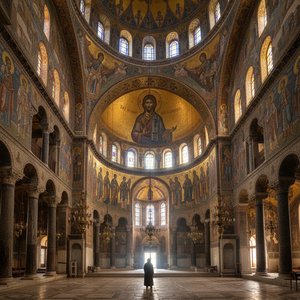
The nave of Santi Nereo e Achilleo is arguably its most celebrated feature – a breathtaking panorama of frescoes commissioned by Cardinal Baronio. These vibrant depictions, primarily executed by Niccolò Circignani (Pomarancio), are not merely decorative; they are dramatic narratives of martyrdom and faith. The scenes depict the violent deaths of Saints Nereus and Achilleus, rendered with an intensity that is both captivating and unsettling. Pomarancio’s masterful use of color, dynamic composition, and expressive figures creates a powerful visual experience, transporting viewers to the heart of these ancient stories.
The frescoes are particularly noteworthy for their emotional depth and realism – a departure from the more stylized depictions common in earlier Christian art. The dramatic lighting, the palpable sense of suffering, and the carefully rendered details all contribute to the overall impact of this remarkable artistic achievement. A close examination reveals subtle nuances in color and form that reward repeated viewing.
Treasures Within: Relics, Spolia, and a Glimpse into the Past
Beyond the frescoes, Santi Nereo e Achilleo houses a collection of treasures that further illuminate its rich history. The high altar is home to relics of Saints Nereus and Achilleus, originally brought from the Catacombs of Domitilla – tangible links to the saints themselves. Adding to this layer of significance are fragments of original mosaics dating back to the time of Pope Leo III, a testament to the church’s early Christian roots. These mosaics, though fragmented, offer a tantalizing glimpse into the artistic practices of the 9th century.
Furthermore, the incorporation of *spolia* – repurposed elements from earlier structures – is a defining characteristic of the basilica. A particularly striking example is the porphyry urn used as an ambo, salvaged from the Baths of Caracalla, demonstrating the church’s ability to absorb and integrate elements of Rome's vast architectural heritage. The presence of pagan stones within the altar area further underscores this fascinating blend of Roman and Christian traditions.
A Sanctuary of Serenity
Santi Nereo e Achilleo offers a rare opportunity to escape the bustle of modern Rome and step back in time. Open on Tuesdays and Thursdays, it provides a peaceful sanctuary where visitors can contemplate the church’s layered history and appreciate its artistic treasures. Its location near the Baths of Caracalla adds another dimension to the experience, creating a compelling juxtaposition between ancient Roman grandeur and religious significance. A visit to this hidden gem is an unforgettable journey into the heart of Rome's past – a testament to the enduring power of faith, art, and architecture.