A Hidden Sanctuary of Victorian Dreams: Exploring the Cecil French Bequest
Nestled within the elegant streets of Kensington, London, lies a remarkable secret – the Cecil French Bequest. More than just a museum, it’s a portal into the heart of Victorian England, a meticulously curated collection offering an intimate and profoundly moving glimpse into a pivotal era of artistic and social transformation. This unassuming space, largely overlooked by mainstream tourism, holds within its walls a treasure trove of paintings and drawings, primarily dominated by the captivating Pre-Raphaelite world of Edward Burne-Jones, but extending to encompass the broader spectrum of 19th-century British artistry. The Bequest’s quiet atmosphere and free admission make it an ideal destination for those seeking a contemplative experience far removed from the bustling crowds of larger institutions.
The story behind the collection is as intriguing as the art itself. Cecil French, born in Dublin in 1879, was not a formally trained artist but rather a collector with a discerning eye and an unwavering passion for Victorian aesthetics. He began his collecting journey in the early 20th century, drawn to the then-fading popularity of Pre-Raphaelite art – a movement that had once captivated the imagination of artists like Burne-Jones himself. French’s dedication wasn't driven by commercial gain; rather, he sought to preserve and celebrate this rich artistic heritage, amassing a remarkable 153 works through shrewd acquisitions and a deep appreciation for the period’s romanticism and symbolism. Upon his death in 1953, he bequeathed his entire collection to the Fulham Public Libraries, with the stipulation that it remain accessible to the public – a testament to his belief in the enduring value of art and its ability to connect generations.
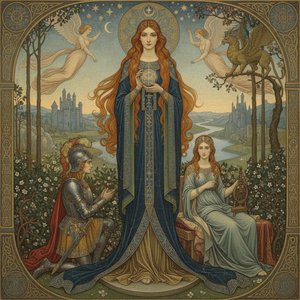
The heart of the Bequest’s appeal lies undoubtedly in its concentration on Edward Burne-Jones. Fifty-three works by this master painter are housed within its walls, offering an unparalleled opportunity to immerse oneself in his distinctive style. Burne-Jones's paintings are characterized by their lush color palettes, intricate details, and a profound engagement with mythology, folklore, and literary themes. His subjects—often drawn from the legends of Arthurian romance or classical antiquity—are rendered with a captivating blend of beauty and melancholy, reflecting the Victorian fascination with both idealized pasts and the complexities of human emotion. Beyond Burne-Jones, however, the collection reveals a broader tapestry of 19th-century British art, showcasing works by artists like Frederic Leighton, William Shackleton, and Charles Haslewood Shannon – each contributing to a nuanced understanding of the period’s artistic trends.
A Setting Steeped in History
The Cecil French Bequest occupies a modest building within Kensington, its architectural style deliberately understated. While specific details about the building's original construction are somewhat scarce, it is part of the Royal Borough of Kensington and Chelsea (RBKC) Museums network, benefiting from the borough’s commitment to preserving and showcasing local heritage. The location itself—a quiet corner of London—contributes significantly to the museum’s intimate atmosphere, allowing visitors to truly connect with the artworks on display. It's a space that feels both historically rooted and refreshingly unpretentious.
Notable Exhibitions & Unique Aspects
While the Bequest maintains a permanent collection, it periodically hosts special exhibitions that illuminate specific themes or artists within its holdings. These events often delve into the historical context surrounding the artworks, exploring their connections to Victorian society, literature, and culture. One particularly noteworthy exhibition explored the influence of the London Sketch Club on Burne-Jones’s work, highlighting the vibrant artistic community that flourished in Fulham during the late 19th century. The museum's unique focus—its dedication to a specific period and artist—sets it apart from larger museums with broader collections, offering visitors an opportunity for deep exploration and scholarly engagement.
Furthermore, the Bequest’s commitment to accessibility is truly commendable. Free admission ensures that art lovers of all backgrounds can experience this remarkable collection. The intimate setting fosters a sense of connection between the visitor and the artwork, encouraging contemplation and appreciation. It's a space designed not just for viewing, but for feeling—for allowing oneself to be transported back in time to the world of Victorian England.
A Legacy of Passion
The Cecil French Bequest stands as a testament to the power of private patronage and the enduring value of artistic preservation. It’s more than just a museum; it's a living legacy—a tangible reminder of Cecil French’s unwavering dedication to celebrating Victorian art. Visiting this hidden gem offers a rare opportunity to step back in time, immerse oneself in the captivating world of Burne-Jones and his contemporaries, and appreciate the beauty and complexity of a bygone era. It is a place where dreams linger, and the spirit of Victorian artistry continues to inspire.