
A Tapestry of Time: The Eternal Spirit of Cathédrale Saint-Sauveur
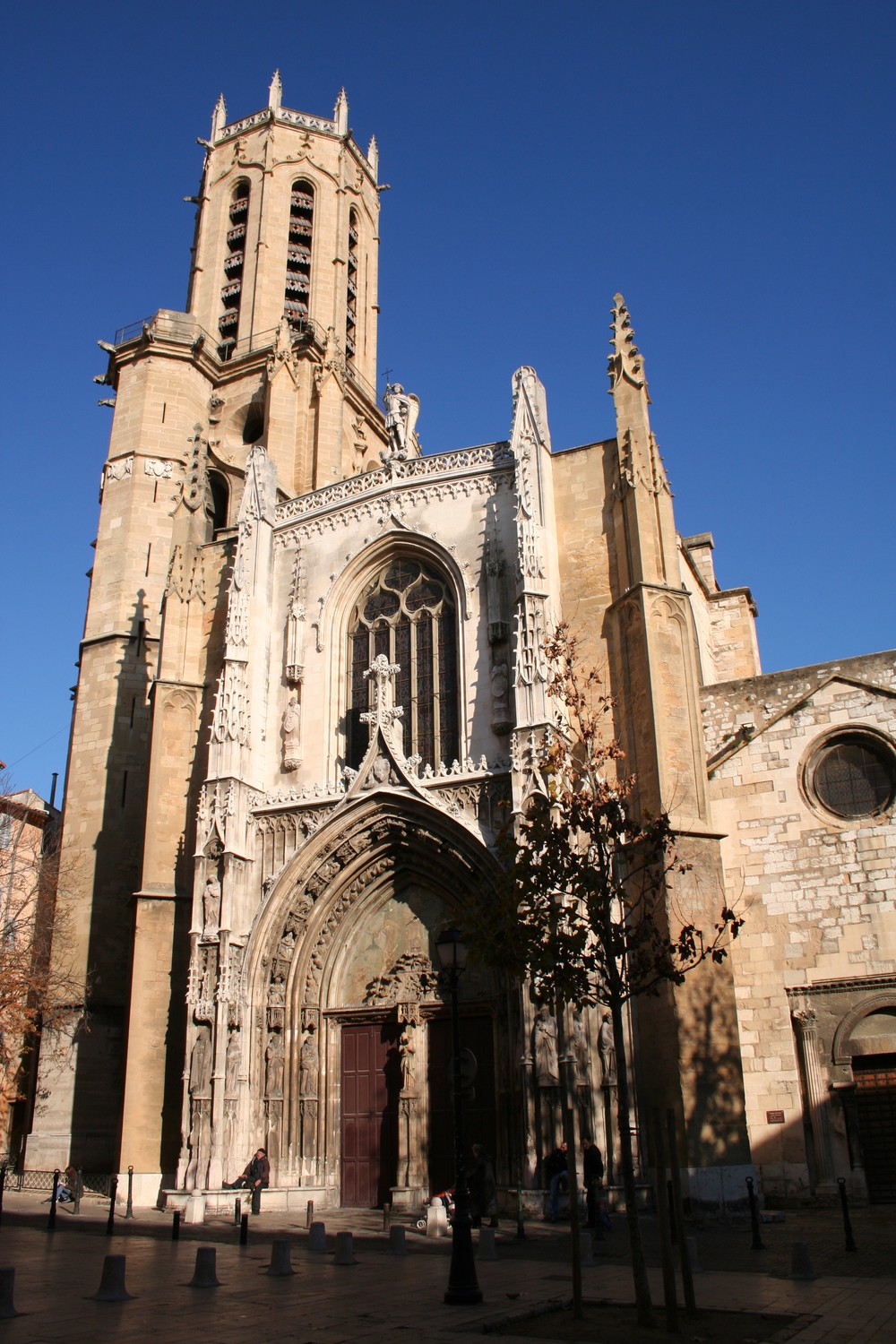
To step across the threshold of the Cathédrale Saint-Sauveur in Aix-en-Provence is to leave the vibrant, sun-drenched streets of Provence behind and enter a sanctuary where the centuries breathe in unison. This is not merely a monument of stone and mortar, but a living chronicle of human devotion and architectural metamorphosis. The cathedral’s foundations whisper of an even more ancient era, rooted deeply in the soil of a Roman temple dedicated to Apollo. As one wanders through its hallowed nave, the very air seems heavy with the weight of history, tracing a lineage that stretches from pagan rituals to the profound spiritual heights of the Christian era. It is a place where the architectural language shifts seamlessly, offering a rare opportunity to witness the dialogue between different epochs of human creativity.
The structural soul of the cathedral is a breathtaking mosaic of styles, a testament to the enduring ambitions of the bishops and artisans who shaped it. The sturdy, grounded presence of the Romanesque period provides a sense of primordial strength, with its thick walls and geometric simplicity acting as a foundation for the more ethereal aspirations that followed. As your eyes ascend, the heavy masonry gives way to the soaring, light-filled majesty of the Gothic era. Ribbed vaults reach toward the heavens like frozen prayers, drawing the gaze upward into a celestial expanse. This verticality is beautifully punctuated by magnificent stained glass windows, which act as luminous canvases. When the Provençal sun pierces through these colored panes, it transforms the interior into a kaleidoscope of divine light, casting dancing hues across the stone and breathing life into the biblical narratives depicted within the glass.
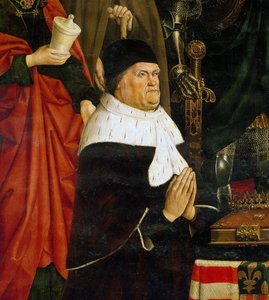
Beyond its structural grandeur, the cathedral serves as a precious reliquary for an array of artistic treasures that demand the attention of any true connoisseur. The collection is not housed in glass cases but is integrated into the very fabric of the building itself. Intricately carved sculptures, weathered by time yet retaining their emotive power, populate the niches and altars, portraying saints and biblical figures with a tactile realism that bridges the gap between the earthly and the divine. The later addition of Baroque flourishes introduces a dramatic, theatrical energy to the space; opulent ornamentation and sweeping curves inject a sense of movement and passion into the sanctuary. For the interior designer or art lover, these elements offer an unparalleled study in how texture, light, and ornament can coalesce to create an atmosphere of profound transcendence.
What truly distinguishes Cathédrale Saint-Sauveur is its role as a cultural heartbeat for Aix-en-Provence, standing at the intersection of sacred tradition and contemporary artistic life. It is a venue where the echoes of ancient liturgy meet the refined melodies of the world-renowned Festival d'Aix-en-Provence. This unique duality—as both a site of historical pilgrimage and a stage for international musical excellence—ensures that the cathedral remains a vibrant, breathing entity rather than a static relic. To visit Saint-Sauveur is to experience a rare convergence: a place where the architectural echoes of the Roman forum, the spiritual intensity of the Middle Ages, and the sophisticated artistry of the modern era all harmonize into a single, unforgettable encounter.