

A Journey Through Time: The Barts Hospital Museum
Nestled within the historic heart of St Bartholomew’s Hospital in London, the Barts Hospital Museum offers a profoundly moving and unexpectedly captivating experience – a journey through nearly nine centuries of medical history interwoven with architectural grandeur. More than simply a repository of artifacts, it's a testament to human resilience, innovation, and the enduring quest to understand and alleviate suffering. Founded in 1123 by Rahere, a former chaplain to Henry I, this institution stands as one of the oldest hospitals in the United Kingdom, its walls echoing with the stories of pioneering doctors, dedicated nurses, and countless patients who have sought care within its venerable halls. The museum’s current closure for renovation only adds to the anticipation surrounding its reopening in October 2025 – a period during which visitors can delve into research access.
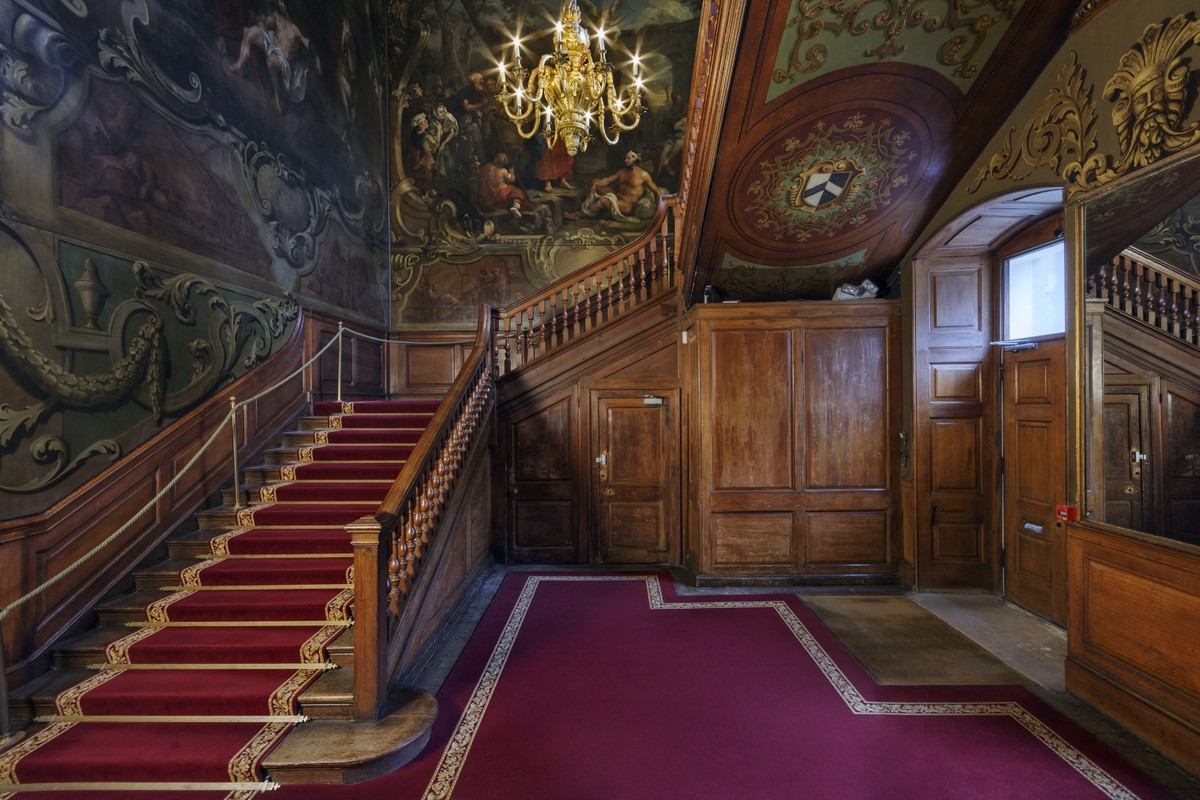
The museum's collection is remarkably diverse, extending far beyond the sterile image often associated with medical institutions. Here, you’ll discover an astonishing array of instruments—from early surgical tools crafted from bone and metal to intricate devices reflecting advancements in the 18th and 19th centuries. Apothecary jars, filled with dried herbs and curious ingredients used in traditional remedies, stand alongside anatomical specimens – a poignant reminder of the evolution of medical knowledge through observation and dissection. But it’s the artistic elements that truly elevate the experience. A particular highlight is the presence of works by William Hogarth, whose series of prints, “The Pool of Bethesda” and “The Good Samaritan,” offer insightful glimpses into 18th-century medical life, revealing not just the clinical realities but also the social context and prevailing beliefs surrounding healing. These aren’t simply displayed; they are integrated into the narrative, prompting reflection on the intersection of art, medicine, and human experience.
Architectural Echoes: The Henry VIII Gate and Beyond
The Barts Hospital Museum isn't housed in a sterile modern building; rather, it resides within the historic North Wing of St Bartholomew’s Hospital itself – a structure steeped in architectural significance. Dominating the entrance is the iconic Henry VIII Gate, a stunning example of Tudor architecture that immediately transports visitors back to the 16th century. This imposing gate, with its intricate detailing and robust construction, serves as a powerful symbol of the hospital's long and storied past, reflecting the power and ambition of King Henry VIII himself. The building’s evolution is fascinating – constructed over centuries, it represents a remarkable blend of architectural styles, from medieval to Georgian, each layer adding to the museum’s rich historical tapestry. The Great Hall, with its soaring ceilings and elegant proportions, exemplifies the grandeur of the hospital's earlier days, while later additions showcase the evolving aesthetic sensibilities of different eras.
Pioneering Stories: Doctors, Nurses, and the NHS
At its core, the Barts Hospital Museum is a celebration of human stories. It meticulously documents the progression of medical practices, treatments, and understanding throughout the centuries, revealing the remarkable individuals who shaped the field of medicine. The museum doesn’t just present facts; it breathes life into them through compelling narratives about doctors, nurses, and patients – figures whose dedication and ingenuity have profoundly impacted healthcare. The hospital's role as one of the founding hospitals of the National Health Service (NHS) is particularly significant, reflecting its enduring commitment to providing universal healthcare in Britain. Exploring these stories offers a profound appreciation for the sacrifices made by those who dedicated their lives to caring for others, and provides valuable context for understanding the evolution of modern medicine.
A Unique Perspective: Authenticity Within a Living Hospital
What truly distinguishes the Barts Hospital Museum is its unique location within a functioning hospital. This proximity creates an unparalleled sense of authenticity, allowing visitors to witness firsthand the ongoing legacy of care and innovation. The museum isn’t simply a static display; it's a living testament to the continuous evolution of healthcare. The juxtaposition of historical artifacts with contemporary medical practices offers a powerful reminder that medicine is not a fixed discipline but rather a dynamic field constantly shaped by new discoveries, technologies, and ethical considerations. This connection between past and present provides a valuable perspective on the challenges and triumphs of medical history, fostering a deeper understanding of the complexities of healthcare in the 21st century.
Looking Ahead: Reopening and Continued Legacy
While currently closed for renovation, the Barts Hospital Museum is scheduled to reopen in October 2025, promising an even richer and more immersive experience. The ongoing restoration efforts will undoubtedly enhance the museum’s presentation of its remarkable collection and historical narratives. The museum's enduring legacy extends beyond its physical walls, serving as a vital resource for medical historians, researchers, and anyone interested in exploring the fascinating intersection of art, medicine, and human history. It stands as a powerful reminder of London’s rich heritage and its continued role as a global center for innovation and healthcare.