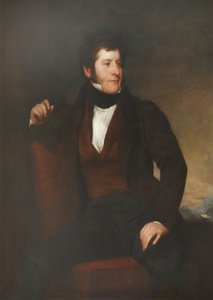
Portræt af Thomas Francis Dicksee

De 64 mest berømte Thomas Francis Dicksee-malerier, en galleriselektion

Opdateret november 2026 · rangeret efter vores popularitetsscore (søgninger, besøg og ordrer for hvert værk) · 73 værker af Thomas Francis Dicksee i vores katalog

Kort sagt

Af alle de originale værker, som Thomas Francis Dicksee efterlod, er det mest berømte Ophelia (1873), som er en del af samlingen på Touchstones Rochdale i Rochdale. Lige efter følger Charles Thomas Longley (1794–1868), Archbishop of Canterbury (1838) og George Stephenson (1781–1848) (1838). Vores katalog indeholder 73 værker af Thomas Francis Dicksee; galleriet har bevaret de 64 værker, som verden beundrer mest, hver vist med sin dato, sit museum og sin historie.

1818 – 1895, London Flest værker: National Portrait Gallery

Thomas Francis Dicksees top 10 malerier: galleriets udvalg

1
Ophelia (1873) af Thomas Francis Dicksee

Ophelia

1873 · Oil On Canvas · Touchstones Rochdale, Rochdale

In this 1873 oil on canvas, Thomas Francis Dicksee captures the tragic figure of Ophelia from the works of William Shakespeare. The British painter moves beyond mere portraiture to inhabit the psychological weight of the character from Hamlet. She sits amidst the natural world, a solitary presence defined by a quiet, heavy stillness. The subject is stripped of the courtly noise of Elsinore, left instead to the gravity of her…

2
Charles Thomas Longley (1794–1868), Archbishop of Canterbury (1838) af Thomas Francis Dicksee

Charles Thomas Longley (1794–1868), Archbishop of Canterbury

1838 · Oil On Canvas

A single light source descends from the upper left, carving the face of Charles Thomas Longley out of a heavy, dark void. The light catches the ridge of a nose and the soft texture of skin, casting the rest of the figure into a quiet, shadowed depth. He is a man of gravity, draped in the heavy folds of clerical robes that suggest the weight of his office. The fabric…

3
George Stephenson (1781–1848) (1838) af Thomas Francis Dicksee

George Stephenson (1781–1848)

1838 · Oil On Canvas · Institution of Mechanical Engineers, London

George Stephenson sits in a quiet moment of repose, his presence filling the frame with a heavy, settled authority. He is captured in a three-quarter view, seated within a chair that anchors him to the space. The light falls from the left, washing over his face and the crisp white of his collar, while the rest of his form recedes into a deep, shadowy background. This deliberate use of light…

4
Charles Druce (1762–1845) (1844) af Thomas Francis Dicksee

Charles Druce (1762–1845)

1844 · Oil On Canvas · Dulwich Picture Gallery, London

In this 1844 portrait, we find ourselves in the presence of Charles Druce, a man whose life spanned the late eighteenth and mid-nineteenth centuries. He is presented in a moment of quiet repose, seated within the deep red embrace of an armchair. The composition is intimate, with the subject occupying much of the vertical space, creating a sense of immediate, personal encounter. He is dressed in the somber, formal attire…

5
Sir George Cayley, 6th Bt (1840) af Thomas Francis Dicksee

Sir George Cayley, 6th Bt

1840 · Oil On Canvas · National Portrait Gallery, London

This oil painting by Thomas Francis Dicksee depicts Sir George Cayley, 6th Bt. Created about 1840, the portrait captures the likeness of the English engineer, inventor, and aviator. The subject is presented in a formal pose that reflects his historical standing. Cayley is recognized for his contributions to aeronautical engineering, having designed the first glider reported to carry a human aloft. His work in understanding the forces of flight has…

6
James Duffield Harding (1840) af Thomas Francis Dicksee

James Duffield Harding

1840 · Oil On Canvas · National Portrait Gallery, London

Thomas Francis Dicksee rendered this portrait of James Duffield Harding about 1840. The work presents the subject in a classical style, focusing on a bust-length depiction that emphasizes the individual's presence. Dicksee, a prominent Victorian portraitist, captures the sitter with a sense of formality and dignity.

7
Anne Page (1862) af Thomas Francis Dicksee

Anne Page

1862 · Oil On Canvas

The air in the room feels heavy with the scent of garden blooms and the cool metallic tang of polished silver. A young woman turns, her gaze catching the light as she looks back over a shoulder, her expression caught in a quiet, lingering moment of transition. She wears a bodice of rose-pink satin that catches the soft light from an unseen window, its sheen contrasting against the voluminous, creamy…

8
A Labour of Love, from the "illustrated London News" (1860) af Thomas Francis Dicksee

A Labour of Love, from the "illustrated London News"

1860 · Engraving · Metropolitan Museum of Art, New York

The artwork, titled A Labour of Love, from the "illustrated London News", is a monochromatic engraving created in 1860. The composition is vertically oriented, featuring a central figure of a woman carrying a young child across a landscape. The scene depicts a pastoral setting with rolling hills and foliage rendered through textured lines to establish a sense of depth.

9
Ophelia (1864) af Thomas Francis Dicksee

Ophelia

1864 · Oil On Canvas · Bilbao Fine Arts Museum, Bilbao

In this 1873 oil on canvas, Thomas Francis Dicksee captures the tragic figure of Ophelia from the works of William Shakespeare. The subject is a woman in a white dress, a solitary presence defined by a quiet, heavy stillness. She sits amidst the natural world, stripped of the courtly noise of Elsinore, left instead to the gravity of her own sorrow. Her hands are clasped, a gesture of internal retreat…

10
Charles Grant (1778–1866), 1st Baron Glenelg, Politician (1837) af Thomas Francis Dicksee

Charles Grant (1778–1866), 1st Baron Glenelg, Politician

1837 · Oil · Government Art Collection, London

In this captivating portrait by the Victorian master Sir Thomas Francis Dicksee, we are transported to an era of profound theatricality and aristocratic splendor. The painting centers on a figure of immense presence, draped in a luminous yellow coat adorned with intricate gold trim that seems to catch a hidden light source. This central subject, rendered with a meticulous attention to texture and luster, wears a crown that signals a…

Thomas Francis Dicksee-udvalget fortsætter, fra 11 til 64

11The Discovery of the Gunpowder Plot and the Taking of Guy Fawkes (1823) af Thomas Francis DickseeThe Discovery of the Gunpowder Plot and the Taking of Guy Fawkes1823 · Laing Art Gallery 12The Progress of Civilisation (The Ancient Britons Instructed by the Romans in the Mechanical Arts) (1831) af Thomas Francis DickseeThe Progress of Civilisation (The Ancient Britons Instructed by the Romans in the Mechanical Arts)1831 · Ferens Art Gallery 13At The Opera af Thomas Francis DickseeAt The Opera 14Thomas Young (1773–1829) (copy after Thomas Lawrence) (1822) af Thomas Francis DickseeThomas Young (1773–1829) (copy after Thomas Lawrence)1822 · The Royal Society 15John Shore (1751–1834), 1st Baron Teignmouth, President of the Bible Society (1822) af Thomas Francis DickseeJohn Shore (1751–1834), 1st Baron Teignmouth, President of the Bible Society1822 16The Search for the Heliotrope (1819) af Thomas Francis DickseeThe Search for the Heliotrope1819 17Mrs Thomas Lee (1830) af Thomas Francis DickseeMrs Thomas Lee1830 18The Challenge of Rodomont to Rogero (1827) af Thomas Francis DickseeThe Challenge of Rodomont to Rogero1827 · Birmingham Museum and Art Gallery 19Thomas Lee, Senior (1756–1836), of Barnstaple, Devon (1830) af Thomas Francis DickseeThomas Lee, Senior (1756–1836), of Barnstaple, Devon1830 20Romeo and Juliet Act II Scene 5 ('Juliet and her Nurse') (1827) af Thomas Francis DickseeRomeo and Juliet Act II Scene 5 ('Juliet and her Nurse')1827 21Sir Samuel Meyrick (1783–1848) (1830) af Thomas Francis DickseeSir Samuel Meyrick (1783–1848)1830 · Torre Abbey Historic House And Gardens 22Charles Kemble (1830) af Thomas Francis DickseeCharles Kemble1830 · National Portrait Gallery 23Colonel Blood Stealing the Crown Jewels (1824) af Thomas Francis DickseeColonel Blood Stealing the Crown Jewels1824 24Robert Blake (1599–1657), General at Sea (1829) af Thomas Francis DickseeRobert Blake (1599–1657), General at Sea1829 · National Maritime Museum 25Charles Turner (1788–1861), Mayor of Norwich (1834) (1836) af Thomas Francis DickseeCharles Turner (1788–1861), Mayor of Norwich (1834)1836 26Charles Kemble (1775–1854) (1832) af Thomas Francis DickseeCharles Kemble (1775–1854)1832 · Dulwich Picture Gallery 27Rajah Rammohun Roy (1774–1833) (1832) af Thomas Francis DickseeRajah Rammohun Roy (1774–1833)1832 · Bristol Museum - Art Gallery 28The Duke of Wellington Wearing the Order of the Golden Fleece (1837) af Thomas Francis DickseeThe Duke of Wellington Wearing the Order of the Golden Fleece1837 29Sir William Elias Taunton (1773–1835) (1833) af Thomas Francis DickseeSir William Elias Taunton (1773–1835)1833 30Arthur Wellesley (1769–1852), 1st Duke of Wellington, Soldier and Statesman (1837) af Thomas Francis DickseeArthur Wellesley (1769–1852), 1st Duke of Wellington, Soldier and Statesman1837 · Scottish National Portrait Gallery 31Edward Smith Stanley (1799–1869), 14th Earl of Derby (1839) af Thomas Francis DickseeEdward Smith Stanley (1799–1869), 14th Earl of Derby1839 32Portrait of an Unknown Gentleman (1840) af Thomas Francis DickseePortrait of an Unknown Gentleman1840 33Richard Jenkyns (1782–1854) (1841) af Thomas Francis DickseeRichard Jenkyns (1782–1854)1841 · Balliol College 34Sir Edward Codrington (1843) af Thomas Francis DickseeSir Edward Codrington1843 · National Portrait Gallery 35Sydney Smith (replica by of an original of 1833 by the artist) (1840) af Thomas Francis DickseeSydney Smith (replica by of an original of 1833 by the artist)1840 36William Allen (1770–1843), FRS, First President of the Pharmaceutical Society (1841–1843) (1844) af Thomas Francis DickseeWilliam Allen (1770–1843), FRS, First President of the Pharmaceutical Society (1841–1843)1844 37Frederick Crace (1849) af Thomas Francis DickseeFrederick Crace1849 38Frederick Crace (1849) af Thomas Francis DickseeFrederick Crace1849 39Ideal Portrait of Lady Macbeth (1870) af Thomas Francis DickseeIdeal Portrait of Lady Macbeth1870 · Walker Art Gallery 40Juliet (1877) af Thomas Francis DickseeJuliet1877 · Sunderland Museum - Winter Gardens 41Juliet on the Balcony (1875) af Thomas Francis DickseeJuliet on the Balcony1875 42Matthius Sidney Smith Dipnall (1890) af Thomas Francis DickseeMatthius Sidney Smith Dipnall1890 · Christ's Hospital Foundation 43Portrait of a Young Lady Sitting with Fan af Thomas Francis DickseePortrait of a Young Lady Sitting with FanTe Whare O Rehua Sarjeant Gallery 44An offering af Thomas Francis DickseeAn offering 45Little Florist af Thomas Francis DickseeLittle Florist 46Sir John Jacob Buxton (1788–1842), 2nd Bt af Thomas Francis DickseeSir John Jacob Buxton (1788–1842), 2nd Bt 47J. D. Bligh (1799–1872) af Thomas Francis DickseeJ. D. Bligh (1799–1872) 48Arthur Wellesley (1769–1852), 1st Duke of Wellington, Prime Minister af Thomas Francis DickseeArthur Wellesley (1769–1852), 1st Duke of Wellington, Prime Minister 49Frederick R. Lee (1798–1879), RA af Thomas Francis DickseeFrederick R. Lee (1798–1879), RAMuseum of Barnstaple And North Devon 50Elizabeth Clarke Richardson af Thomas Francis DickseeElizabeth Clarke Richardson 51Funeral Of A Viking af Thomas Francis DickseeFuneral Of A Viking 52Miranda af Thomas Francis DickseeMiranda 53Flowers of June af Thomas Francis DickseeFlowers of June 54Juliet af Thomas Francis DickseeJuliet 55John Richardson Ii af Thomas Francis DickseeJohn Richardson Ii 56La Belle Dame Sans Merci af Thomas Francis DickseeLa Belle Dame Sans Merci 57William Beamont af Thomas Francis DickseeWilliam Beamont 58Anthony White af Thomas Francis DickseeAnthony White 59Edward Maltby (1770–1859), DD, Bishop of Durham (1836–1856) af Thomas Francis DickseeEdward Maltby (1770–1859), DD, Bishop of Durham (1836–1856)Durham University 60'The Two Gentlemen of Verona', Act II, Scene 1, Milan, The Duke's Palace Valentine, Speed and Silvia af Thomas Francis Dicksee'The Two Gentlemen of Verona', Act II, Scene 1, Milan, The Duke's Palace Valentine, Speed and Silvia 61A Lady’s Head (study) af Thomas Francis DickseeA Lady’s Head (study)Royal Albert Memorial Museum 62Little Florist af Thomas Francis DickseeLittle FloristGallery Oldham 63The First Interview between the Spaniards and the Peruvians (1827) af Thomas Francis DickseeThe First Interview between the Spaniards and the Peruvians1827 64Visit of George III to Howe's Flagship, the 'Queen Charlotte', on 26 June 1794 (1828) af Thomas Francis DickseeVisit of George III to Howe's Flagship, the 'Queen Charlotte', on 26 June 17941828 · National Maritime Museum

Thomas Francis Dicksees berømte malerier, periode for periode

Motiverne, der fangede Thomas Francis Dicksees blik

De fire motiver, der optræder hyppigst i disse originaler, hver med sit fineste eksempel.

De museer, der udstiller Thomas Francis Dicksees originalværker

De 8 museer, der rummer flest af malerierne på denne side.

Museum By Værker af Thomas Francis Dicksee Malerier fra denne liste
National Portrait Gallery, LondonNational Portrait Gallery London 4 Sir George Cayley, 6th Bt, James Duffield Harding, Charles Kemble
Dulwich Picture Gallery, LondonDulwich Picture Gallery London 2 Charles Druce (1762–1845), Charles Kemble (1775–1854)
National Maritime Museum, LondonNational Maritime Museum London 2 Robert Blake (1599–1657), General at Sea, Visit of George III to Howe's Flagship, the 'Queen Charlotte', on 26 June 1794
Touchstones Rochdale, RochdaleTouchstones Rochdale Rochdale 1 Ophelia
Institution of Mechanical Engineers, LondonInstitution of Mechanical Engineers London 1 George Stephenson (1781–1848)
Metropolitan Museum of Art, New YorkMetropolitan Museum of Art New York 1 A Labour of Love, from the "illustrated London News"
Bilbao Fine Arts Museum, BilbaoBilbao Fine Arts Museum Bilbao 1 Ophelia
Government Art Collection, LondonGovernment Art Collection London 1 Charles Grant (1778–1866), 1st Baron Glenelg, Politician

Thomas Francis Dicksee årti for årti: det originale værk, der definerer hvert enkelt

Værker per årti

Vælg et årti for at se det originale værk, der definerer det.

Samleres spørgsmål om Thomas Francis Dicksees malerier

Hvilket værk er Thomas Francis Dicksee mest kendt for?Vis svaret

Ophelia (1873), Touchstones Rochdale, Rochdale. Derefter følger Charles Thomas Longley (1794–1868), Archbishop of Canterbury (1838) og George Stephenson (1781–1848) (1838).

Hvor gammel var Thomas Francis Dicksee, da Ophelia blev skabt?Vis svaret

55 år gammel: Ophelia er fra 1873, og Thomas Francis Dicksee blev født i 1818.

Hvad er de ti mest berømte Thomas Francis Dicksee malerier?Vis svaret

Ophelia, Charles Thomas Longley (1794–1868), Archbishop of Canterbury, George Stephenson (1781–1848), Charles Druce (1762–1845), Sir George Cayley, 6th Bt, James Duffield Harding, Anne Page, A Labour of Love, from the "illustrated London News", Ophelia og Charles Grant (1778–1866), 1st Baron Glenelg, Politician. Ranglisten ovenfor viser det enkelte værks årstal og museum.

Hvor mange malerier efterlod Thomas Francis Dicksee?Vis svaret

Vores katalog indeholder 73 værker af Thomas Francis Dicksee, dateret fra 1827 til 1890.

I hvilke museer udstilles Thomas Francis Dicksee's mesterværker?Vis svaret

Primært i National Portrait Gallery (London), Dulwich Picture Gallery (London) og National Maritime Museum (London). Museumslisten ovenfor viser dem alle.

I hvilke år malede Thomas Francis Dicksee sine mest berømte værker?Vis svaret

I 1830s: 15 af de 64 værker på denne side blev skabt dengang, herunder Charles Thomas Longley (1794–1868), Archbishop of Canterbury.

Hvad er de første og de sidste berømte originaler af Thomas Francis Dicksee?Vis svaret

På denne side er det tidligste The Challenge of Rodomont to Rogero (1827) og det seneste Matthius Sidney Smith Dipnall (1890).

Hvilke motiver valgte Thomas Francis Dicksee oftest?Vis svaret

Man (23), Chair (13) og Suit (12), fordelt på de 64 værker på denne side.

Hvilken teknik brugte Thomas Francis Dicksee mest?Vis svaret

Oil, for 26 af de 64 værker på denne side.

Hvilke værker af Thomas Francis Dicksee udstilles på National Portrait Gallery?Vis svaret

Sir George Cayley, 6th Bt, James Duffield Harding og Charles Kemble: National Portrait Gallery, London har 4 af værkerne på denne side.

Thomas Francis Dicksee: liv og værk

Sir Thomas Francis Dicksee: En victoriansk mester af Shakespeareansk drama

Sir Thomas Francis Dicksee (1819-1895) står som en betydningsfuld, omend ofte overset, skikkelse i det 19. århundredes britiske kunst. Mere end blot en portrætmaler formåede Dicksee at skabe sig en helt særlig niche gennem sine stemningsfulde skildringer af Shakespeareanske scener og sine minutiøst udførte victorianske genrebilleder. Hans lærreder er gennemsyret af en romantisk sanselighed, der indfanger ikke blot ligheder, men også den følelende dybde og dramatiske intensitet hos både litterære karakterer og det daglige liv. Født i London blev Dicksees kunstneriske rejse formet af tidlig undervisning fra hans far, som selv var maler, hvilket lagde fundamentet for en karriere dedikeret til visuel historiefortælling.

Dicksees kunstneriske udvikling kan spores gennem hans tidlige udstillinger på Royal Academy, begyndende i 1841. Indledningsvist fokuserede han på portrætkunst og opnåede hurtigt et ry for at indfange sine subjekters personlighed med bemærkelsesværdig præcision og følsomhed. Det var dog hans fascination af Shakespeare, der for alvor definerede hans værk. Han malede ikke blot scener fra teaterstykker; han søgte at legemliggøre karakterernes ånd – Ophelias tragiske skønhed, Beatrices flammende kløgt, Mirandas æteriske ynde og Ariels drilske charme. Dette var ikke blot illustrationer til et skuespil, men selvstændige kunstværker, gennemsyret af Dicksees egen kunstneriske vision.

Indflydelsen fra romantikken og victorianske sanseligheder

Dicksees arbejde er dybt forankret i romantikken og har arvet dens vægtning af følelser, fantasi og det sublime. Alligevel formåede han dygtigt at tilpasse disse principper til den specifikke kontekst i det victorianske England. Denne æra var karakteriseret ved en fascination af moral, social orden og hjemlig hygge – temaer, der ofte optræder i Dicksees genrebilleder. Han skildrede ofte kvinder engageret i stille, hjemlige sysler—læsning, syning eller modtagelse af gæster—men altid med en underliggende følelse af melankoli eller længsel. Denne sammenstilling af romantisk idealisme og victoriansk tilbageholdenhed er netop det, der giver hans malerier deres unikke karakter.

Desuden gav Dicksees kunstneriske uddannelse under H.P. Briggs ved Royal Academy Schools ham et solidt teknisk fundament. Han mestrede oliemalingens teknikker, især når det gjaldt gengivelsen af tekstiler, teksturer og lys. Hans minutiøse opmærksomhed på detaljen—folderne i en kjole, smykkernes glimt, ansigtets udtryk—bidrager væsentligt til realismen og den følelsesmæssige slagkraft i hans værker. Han var også inspireret af kunstnere som Thomas Lawrence, hvis portrætter betonede elegance og social ynde, selvom Dicksee tilførte sine motiver en større grad af dramatisk intensitet.

Hovedværker og bemærkelsesværdige bestillingsopgaver

Dicksees mest fejrede malerier er uden tvivl dem, der skildrer Shakespeareanske karakterer. “A Labour of_of Love”, udstillet i Illustrated London News i 1876, forbliver et af hans mest ikoniske værker. Scenen indfanger Ophelias hjerteskærende afsked med Hamlet, udført med udsøgt detaljerigdom og en mærkbar følelse af sorg. Andre bemærkelsesværdige eksempler inkluderer "Beatrice", som perfekt legemliggør karakterens flammende ånd, og “Miranda”, der indfanger hendes uskyld og skønhed inden for rammerne af Prosperos ø.

Udover sine Shakespeareanske motiver producerede Dicksee også en betydelig mængde portrætkunst. Han malede talrige medlemmer af den britiske adel, herunder fremtrædende skikkelser som Richard Jenkyns, Thomas Young (en kopi efter Thomas Lawrence) og Sir Francis Grant selv. Disse portrætter er ikke blot ligheder; de afslører personlighederne og den sociale status hos deres modeller med bemærkelsesværdig indsigt. Hans evne til at indfange både det fysiske udseende og den indre karakter gjorde ham til en eftertragtet portrætmaler blandt de velhavende og indflydelsesrige.

Eftermæle og historisk betydning

På trods af hans betydelige talent og succes er Dicksees arbejde ofte blevet overskygget af andre victorianske kunstnere. Dog er nyere forskning begyndt at anerkende hans unikke bidrag til den britiske kunsthistorie. Hans Shakespeareanske scener tilbyder i særdeleshed et værdifuldt vindue ind i den victorianske fascination af litteratur og drama. Dicksees malerier er ikke blot dekorative; de er gennemsyret af en dyb følelse for menneskelig emotion og psykologisk dybde.

Ydermere afspejler Dicksees karriere de bredere sociale og kulturelle forandringer, der fandt sted i det 19. århundredes Storbritannien. Hans arbejde giver indsigt i victorianske holdninger til kønsroller, klasseskel og forholdet mellem kunst og samfund. Hans eftermæle fortsætter med at resonere i dag og minder os om den vedvarende kraft i visuel historiefortælling og vigtigheden af at bevare den kunstneriske arv fra en svunden æra.