Pontormo: liv og værk
Jacopo Pontormo (1494 – 1557/7): En bro mellem Renæssance og Barok Ekspression
Jacopo Pontormo, født Jacopo Carucci i Pontorme nær Firenze, omkring 1494, står som enestående figur inden for den florentinske renæssancemannerisme – en maler der brød med konventionerne og skabte sin egen kunstneriske vej. I modsætning til mange af sine samtidige, der stræbte efter idealiseret skønhed baseret på klassiske principper, omfavnede Pontormo følelsesmæssig intensitet og psykologisk kompleksitet, hvilket gjorde ham til en central brik i overgangen mellem den rolige pragt fra den høje renæssance og det dramatiske dynamik i barokken. Hans liv var præget af både talentfuldhed og personlig tragedie, der formede hans oeuvre som et vidnesbyrd om kunstnerisk vision tempereret af dyb sorg.
Tidlige Træningsår og Indflydelser: Pontormos formative år blev brugt under Domenico del Pollaiuolos og Michelangelos vejledning – kunstnere hvis mesterskab inden for anatomisk realisme og skulpturel form havde en dybtgående indvirkning på hans stilistiske udvikling. Selvom han anerkendte renæssancens arv, distancerede Pontormo sig hurtigt fra dens stive formalisme og søgte i stedet en mere udtryksfuld tilgang, informeret af nordeuropæiske kunsttraditioner. Han studerede blandt andet Dürers graveringer, der gav ham teknikker til at formidle følelser gennem stiliseret billedsprog og kompositionsinnovation. Denne eksponering for nordisk manierisme viste sig at være afgørende for at forme hans distinkte visuelle sprog. Hans tidlige lærere havde en stor indflydelse på hans kunstneriske udvikling, men han var hurtig til at bryde med traditionerne og skabe sin egen stil.
Mannerismen: En Ny Kunstnerisk Retning
Pontormos kunstneriske gennembrud kom omkring 1515 med bestillingen af “Visitation” (Besøgelsen) for Santissima Annunziata i Arezzo – et maleri, der straks etablerede ham som en mester af manieristisk æstetik. Karakteriseret ved udstrængte figurer, flade perspektiver og virvlende draperier fyldt med livlige farvepaletter, forlod Pontormos stil renæssancens besættelse af anatomisk nøjagtighed og harmoniske proportioner. I stedet fokuserede han på at formidle psykologiske tilstande – fortvivlelse, sorg, ekstase – gennem forvrængede former og tvetydige rumlige relationer. Denne bevidste afvigelse fra etablerede konventioner signalerede en radikal genovervejelse af kunstnerisk repræsentation og antydede den dramatiske innovation, der skulle definere barokken. Han var en pioner inden for at skabe en ny æstetik, der adskilte sig markant fra de traditionelle normer.
Pontormos stil var præget af et eksperimenterende forhold til farver og former, hvilket gav hans værker en unik atmosfære. Han brugte ofte levende, intense farver og skabte en følelse af bevægelse og dynamik i sine malerier. Hans figurer er ofte udstrængte og forvrængede, og hans kompositioner er komplekse og ubalancerede.
Et Liv præget af Tragedie
Pontormos liv var ikke uden udfordringer. Han led under en alvorlig psykisk lidelse, der påvirkede hans kunstneriske produktion i de senere år af sit liv. Han blev mere og mere tilbagetrukket fra samfundet og havde svært ved at opretholde venskaber. Dette bidrog til den melankolske tone, der præger mange af hans værker. Hans personlige tragedier formede hans kunstneriske udtryk og gav ham en dyb følelse af sorg og længsel, som han udtrykte gennem sine malerier.
Vigtige Værker og Et Eftermæle
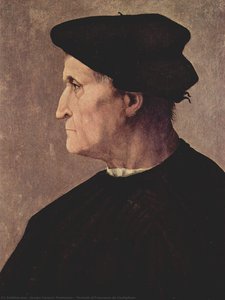
Pontormos produktion omfattede en mangfoldighed af emner – religiøse scener, portrætter og mytologiske kompositioner – hver især præget af hans karakteristiske manieristiske sans. Blandt hans mest berømte malerier er “Joseph’s Coat Sold to the Egyptians”, “The Deposition” (Nedtagningen) og “Saint Francis Receiving Stigmata” (Sankt Francis modtager stigmata) – værker, der illustrerer hans mesterlige manipulation af farve, lys og tekstur for at fremkalde dyb følelsesmæssig resonans. Hans portrætter, især dem, han lavede for Florencens regerende Medici-dynasti, afslører en skarp forståelse af psykologisk nuance og en subtil involvering i manieristiske stilkonventioner. Pontormo var ikke blot en dygtig kunstner, men også en talentfuld lærer, der vejledte yngre kunstnere – herunder Agnolo Bronzino – som videreførte hans innovative vision til den efterfølgende generation florentinske malere. Hans arv ligger ikke kun i hans individuelle mesterværker, men også i hans rolle som katalysator for kunstnerisk eksperimentering og en varsler om stilistiske ændringer – et vidnesbyrd om hans vedvarende bidrag til europæisk kunsthistorie.
Pontormos værker er i dag udstillet på museer over hele verden, herunder Uffizi-galleriet i Firenze, hvor man kan opleve den transformative kraft af hans kunstneriske vision.