1


Opdateret november 2026 · rangeret efter vores popularitetsscore (søgninger, besøg og ordrer for hvert værk) · 1 værker af Mathias Bengtsson i vores katalog
Kort sagt
Spun Chaise (prototype) er det maleri af Mathias Bengtsson, der vækker mest opsigt; originalen findes på High Museum of Art, Atlanta. Blandt de 1 værker af Mathias Bengtsson i vores katalog er disse 1 de mest berømte, hver især et unikt originalværk præsenteret med sit årstal, sit museum og årsagen til dets tidløse betydning.
Det museum, der rummer flest af malerierne på denne side.
| Museum | By | Værker af Mathias Bengtsson | Malerier fra denne liste |
|---|---|---|---|
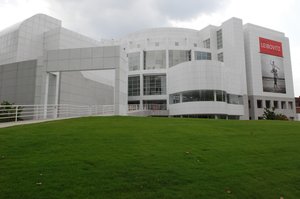 High Museum of Art |
Atlanta | 1 | Spun Chaise (prototype) |
Spun Chaise (prototype)
Vores katalog indeholder 1 værker af Mathias Bengtsson.
Primært i High Museum of Art (Atlanta). Museumslisten ovenfor viser dem alle.
Mathias Bengtsson (born Copenhagen, Denmark, 1971) stands as a singular figure in contemporary Danish art – an artist who defies easy categorization, consistently pushing boundaries between craftsmanship and digital innovation. His work isn’t merely aesthetically pleasing; it's a deliberate exploration of how artistic expression adapts to the evolving landscape of the 21st century.
Bengtsson’s artistic sensibilities extend beyond purely technical considerations. He draws inspiration from Symbolist art movements—particularly Henriette Marie Antonette Luplau (1848-1925)—whose landscapes conveyed profound emotional resonance alongside visual beauty. Luplau, a trailblazing Danish artist and educator, established an influential Copenhagen art school alongside Emilie Mundt, championing feminist ideals and advocating for women’s suffrage.
Like many Danish artists, Bengtsson has been captivated by Ham House—a magnificent Elizabethan mansion in Richmond upon Thames, England—renowned for its opulent Baroque interiors and expansive gardens. The grandeur of Ham House serves as a reminder of Denmark’s rich artistic heritage and inspires Bengtsson to strive for excellence in his craft.
Bengtsson's work speaks to the anxieties and aspirations of our time—a recognition that tradition can inform innovation, and that beauty can coexist with precision. He continues to refine his sculptural practice, exploring new materials and techniques while honoring the legacy of masters like Luplau and Alten.