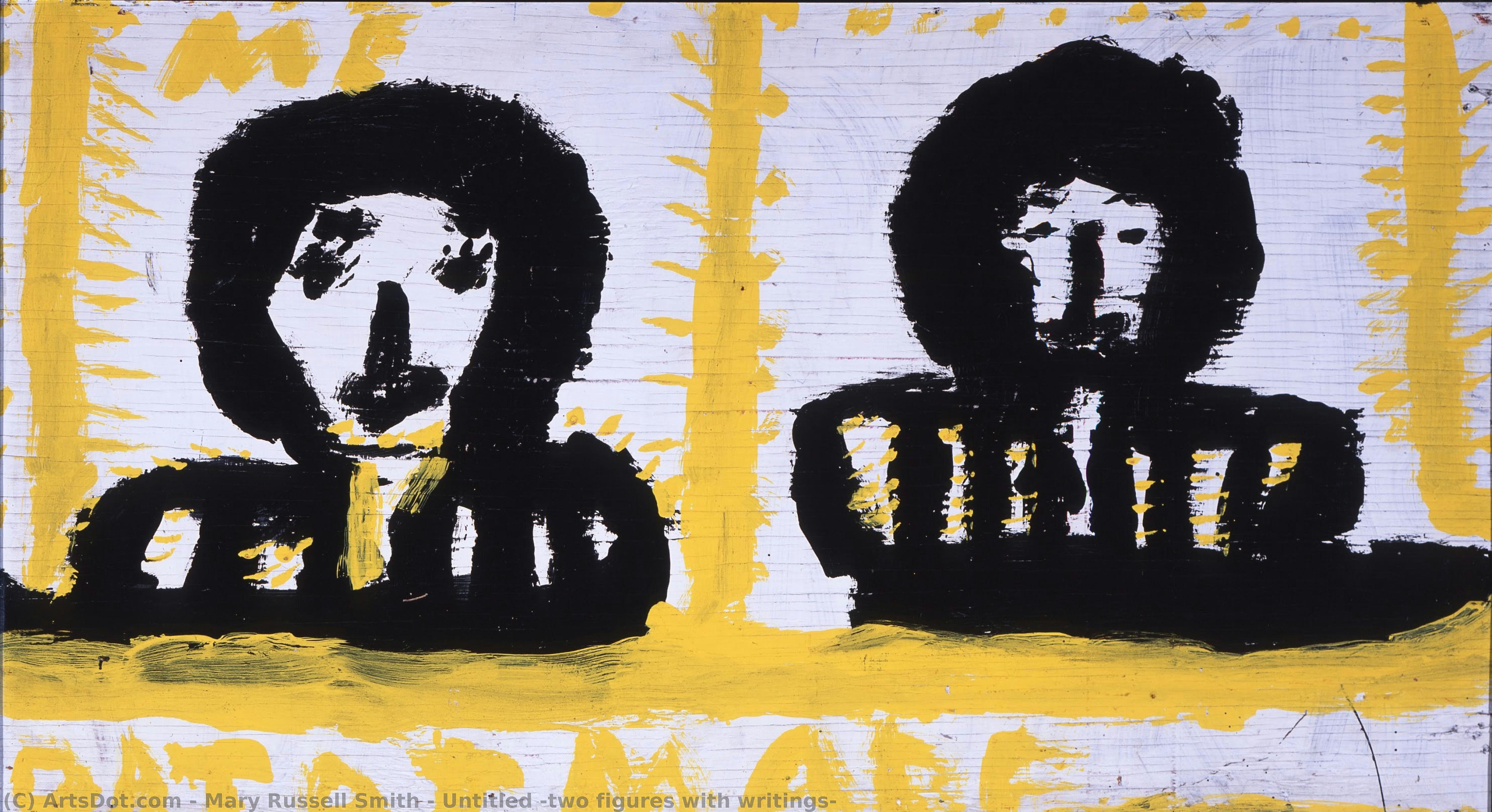
Mary Russell Smith (1842 – 1878): A Pioneer of Botanical Impressionism
Mary Russell Smith was born in Jenkintown, Pennsylvania, on December 26, 1842, the daughter of William Thompson Russell Smith and Mary Priscilla Wilson Smith. Her parents were both accomplished landscape painters who instilled in her a lifelong passion for observing and capturing the beauty of the natural world—a fascination that would profoundly shape her artistic vision. Growing up amidst the intellectual ferment of Philadelphia’s Victorian era, Smith benefited from a privileged upbringing characterized by access to education and exposure to influential thinkers like Walt Whitman and Henry James. Her family's commitment to artistic pursuits created an environment conducive to nurturing creativity and fostering a deep appreciation for
visual art.
- Early Artistic Training: Smith began her artistic journey at the tender age of fourteen, receiving instruction from her mother who recognized her innate talent and encouraged her exploration of painting techniques. This formative experience established a foundation for her subsequent artistic endeavors and cemented her dedication to honing her craft.
- European Travels: Between 1851 and 1852, Smith accompanied her parents on a transformative European tour—a journey that broadened her horizons intellectually and aesthetically. Exposure to diverse cultures and artistic traditions fueled her imagination and inspired her to incorporate influences from various sources into her artwork.
- Pennsylvania Academy of Fine Arts: Smith enrolled at the Pennsylvania Academy of Fine Arts (PAFA) in Philadelphia, where she studied under renowned instructors and immersed herself in the vibrant artistic milieu of the city. This academic institution provided her with invaluable opportunities for artistic development and fostered connections with fellow artists who shared her passion for botanical illustration.
Botanical Studies: Capturing Nature's Essence
Smith’s artistic output is primarily defined by her meticulous botanical studies—detailed depictions of flowers, plants, and foliage rendered in exquisite
watercolor and
oil paint. Unlike many of her contemporaries who favored idealized landscapes or grand historical narratives, Smith focused on capturing the subtle nuances of plant life with remarkable accuracy and sensitivity. Her canvases are infused with a palpable sense of observation and delight—a testament to her unwavering commitment to faithfully representing the natural world as she perceived it.
- Technique: Smith’s watercolor technique was characterized by layering translucent washes of color to achieve luminous effects and conveying textures with remarkable precision. She skillfully employed dry brushstrokes to capture the delicate contours of petals and stems, creating images that pulsate with life and vibrancy.
- Subject Matter: Smith's subjects ranged from humble wildflowers to stately trees—each composition imbued with a profound respect for botanical beauty. Her paintings often featured intricate details—such as pollen grains and pistils—that demanded painstaking observation and meticulous rendering.
- Influence of Impressionism: Although Smith predated the formal emergence of Impressionism, her artistic approach resonated with the movement’s core tenets—namely, a preoccupation with capturing fleeting moments of light and color. Her canvases embody the spirit of Impressionist painting, prioritizing sensory experience over academic convention.
Notable Achievements & Legacy
Mary Russell Smith achieved considerable recognition during her lifetime as an artist and botanist. Her paintings were exhibited at PAFA and the
National Academy of Design—institutions that championed artistic innovation and celebrated excellence in
botanical illustration. Furthermore, Smith’s meticulous scientific drawings contributed to the advancement of botanical knowledge—demonstrating her commitment to both artistic creativity and scholarly inquiry.
- The Mary Smith Prize: Established in 1879 by Russell Smith in memory of his deceased daughter, Mary Russell Smith, the prize honored the best work by a Philadelphia woman artist at PAFA’s annual exhibition—a testament to her enduring influence on the artistic landscape of her era.
- Recognition from Critics: Smith's paintings garnered critical acclaim for their technical virtuosity and expressive power—reflecting the discerning tastes of Victorian art connoisseurs who appreciated her ability to convey emotion through visual imagery.
- Enduring Influence: Smith’s botanical studies continue to inspire artists today—serving as a reminder of the importance of observation, empathy, and artistic integrity in capturing the beauty of the natural world. Her legacy persists as an exemplar of Victorian artistic achievement and a pioneer of Impressionist technique.
Concluding Remarks
Mary Russell Smith’s life was tragically cut short at age 36 due to tuberculosis—a devastating illness that claimed the lives of many prominent figures during the Victorian period. Despite her untimely demise, Smith's
artistic legacy endured—affirming her place as one of Pennsylvania’s most celebrated botanical painters and a visionary artist who championed Impressionist principles. Her paintings remain treasured artifacts of
Victorian art history—testaments to her unwavering devotion to capturing nature’s splendor with unparalleled skill and sensitivity.