Portræt af Luis Tristán

Luis Tristán malerier: De 17 mest berømte, set gennem et galleris øjne

Opdateret november 2026 · rangeret efter vores popularitetsscore (søgninger, besøg og ordrer for hvert værk) · 17 værker af Luis Tristán i vores katalog

Kort sagt

I galleriets øjne er Luis Tristáns mest berømte maleri Saint Jerome (1601), hvis original hænger på Museo del Prado i Madrid. Portrait of an elderly Man (1620) og Saint John the Baptist in the Desert (1601) fuldender trioen, som ethvert øje genkender. Ud af de 17 værker af Luis Tristán i vores katalog præsenterer galleriet herunder de 17 mest berømte, hver som et originalværk med årstal, museum og det, der gør det unikt.

1586 – 1624, Toledo Baroque Flest værker: Museo del Prado

Galleriets top 10 Luis Tristán malerier

1
Saint Jerome (1601) af Luis Tristán

Saint Jerome

1601 · Oil · Museo del Prado, Madrid

The air in the room feels heavy, thick with the scent of old parchment and the weight of sudden, divine revelation. A muscular, semi-nude figure dominates the space, his body twisting in a diagonal surge of movement that breaks the stillness of the shadows. This is Saint Jerome, caught in a singular, breathless instant of intense penitence. His weathered skin, etched with the lines of age and ascetic devotion, catches…

2
Portrait of an elderly Man (1620) af Luis Tristán

Portrait of an elderly Man

1620 · Oil On Canvas · Museo del Prado, Madrid

The gaze of an aged subject meets the viewer in Portrait of an elderly Man, a work by the Spanish artist Tristán De Escamilla, Luis. Created around 1620, this portrait captures a moment of quiet contemplation. The subject, an elderly man, sits enveloped in a somber atmosphere that speaks to the weight of years lived. Every line on his face tells a story of time passing, rendered with a precision…

3
Saint John the Baptist in the Desert (1601) af Luis Tristán

Saint John the Baptist in the Desert

1601 · Oil On Canvas · Museo del Prado, Madrid

The oil on canvas titled Saint John the Baptist in the Desert was executed by Tristán De Escamilla, Luis. This work emerged from the brush of the Spanish painter around 1601. The subject occupies a rugged, rocky landscape, a place of solitude and stone. A young man sits amidst the earth, his muscular form partially draped in a crimson cloth that catches the light. He holds a wooden staff topped…

4
The Crucifixion (1613) af Luis Tristán

The Crucifixion

1613 · Oil · Museo del Prado, Madrid

The air feels heavy and still in this somber scene, where the weight of mortality hangs suspended in a dark, earthy atmosphere. At the center of the composition, Christ hangs upon the weathered wood of the cross, his pale, muscular anatomy illuminated by a theatrical light that seems to emerge from an unseen source. His arms stretch out in a strong horizontal axis, creating a tension that pulls against the…

5
Weeping Female Saint (1616) af Luis Tristán

Weeping Female Saint

1616 · Oil On Canvas · Museo del Prado, Madrid

A profile view of a female figure, identified as Mary Magdalene, captures a moment of intense spiritual supplication. Her head is tilted upward, eyes fixed on an unseen celestial light, while her hands clutch a folded white cloth. The composition relies on a sharp diagonal movement, drawing the viewer's gaze from the dark, shadowed depths of the background toward the luminous, pale skin of her face and the tactile folds…

Luis Tristáns malerier, rangeret fra 11 til 17

Motiverne, der fangede Luis Tristáns blik

De fire motiver, der optræder hyppigst i disse originaler, hver med sit fineste eksempel.

De museer, der udstiller Luis Tristáns originalværker

De 6 museer, der rummer flest af malerierne på denne side.

Museum By Værker af Luis Tristán Malerier fra denne liste
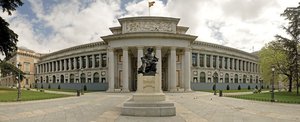
Museo del Prado, MadridMuseo del Prado Madrid 9 Saint Jerome, Portrait of an elderly Man, Saint John the Baptist in the Desert
Fitzwilliam MuseumFitzwilliam Museum 1 The Adoration of the Shepherds
Nationalmuseet i Poznań, PoznańNationalmuseet i Poznań Poznań 1 The Tears of Saint Peter
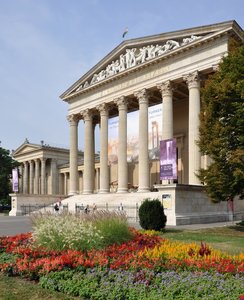
Szépművészeti Múzeum, BudapestSzépművészeti Múzeum Budapest 1 The Adoration of the Magi
The Bowes Museum, Barnard CastleThe Bowes Museum Barnard Castle 1 The Martyrdom of St. Andrew
Indianapolis Kunstmuseum, IndianapolisIndianapolis Kunstmuseum Indianapolis 1 St. Judas Thaddaeus or St. Thomas

Luis Tristán, ét signaturmaleri per årti

Værker per årti

Vælg et årti for at se det originale værk, der definerer det.

Luis Tristán's malerier: galleriets svar

Hvilket maleri af Luis Tristán er det mest berømte af alle?Vis svaret

Saint Jerome (1601), Museo del Prado, Madrid. Derefter følger Portrait of an elderly Man (1620) og Saint John the Baptist in the Desert (1601).

Hvor gammel var Luis Tristán, da Saint Jerome blev færdiggjort?Vis svaret

15 år gammel: Saint Jerome er fra 1601, og Luis Tristán blev født i 1586.

Hvilke er Luis Tristáns top 10 malerier?Vis svaret

Saint Jerome, Portrait of an elderly Man, Saint John the Baptist in the Desert, The Crucifixion, Weeping Female Saint, Saint Peter of Alcántara, The Adoration of the Shepherds, The Tears of Saint Peter, The Vision of St Francis of Assisi og Holy Trinity. Ranglisten ovenfor viser det enkelte værks årstal og museum.

Hvor mange værker skabte Luis Tristán?Vis svaret

Vores katalog indeholder 17 værker af Luis Tristán, dateret fra 1601 til 1624.

Hvor hænger Luis Tristáns mest berømte originaler?Vis svaret

Primært i Museo del Prado (Madrid), Fitzwilliam Museum og Nationalmuseet i Poznań (Poznań). Museumslisten ovenfor viser dem alle.

Hvornår skabte Luis Tristán sine mest berømte malerier?Vis svaret

I 1620s: 7 af de 17 værker på denne side blev skabt dengang, herunder Portrait of an elderly Man.

Hvilke er Luis Tristáns tidligste og seneste berømte værker?Vis svaret

På denne side er det tidligste Saint Jerome (1601) og det seneste Holy Trinity (1624).

Hvilke motiver vendte Luis Tristán oftest tilbage til?Vis svaret

Man (5), Skull (3) og Book (3), fordelt på de 17 værker på denne side.

Hvilket medie arbejdede Luis Tristán mest med?Vis svaret

Oil On Canvas, for 7 af de 17 værker på denne side.

Hvilken stilart er Luis Tristán associeret med?Vis svaret

Baroque, baseret på originalerne på denne side.

Hvilke originalværker af Luis Tristán findes i Museo del Prado?Vis svaret

Saint Jerome, Portrait of an elderly Man og Saint John the Baptist in the Desert: Museo del Prado, Madrid har 9 af værkerne på denne side.

Luis Tristán: kunstneren

Luis Tristán de Escamilla: Bridging Mannerism and Baroque in Toledo

Luis Tristán de Escamilla (c. 1585 – 1624) stands as a pivotal figure in the artistic landscape of 17th-century Spain, particularly within the vibrant city of Toledo. Born into a family of merchants and artisans, his early life laid the groundwork for a career deeply intertwined with the legacy of El Greco, while simultaneously forging a distinct artistic identity. Tristán’s journey began as an apprentice to the master himself in 1603, a period during which he meticulously studied and imitated El Greco's distinctive style – elongated figures, dramatic lighting, and a profound sense of spiritual intensity. This initial phase is characterized by a near-perfect replication of his teacher’s techniques, leading to instances where works were initially attributed to El Greco himself. However, Tristán quickly evolved beyond mere imitation, demonstrating an innate talent that would ultimately establish him as a significant artist in his own right.

The Shadow of El Greco and the Italian Influence

Following El Greco’s death in 1614, Tristán assumed the mantle of his principal follower, inheriting not only his workshop but also the considerable expectations surrounding his artistic output. This period saw him embark on a crucial journey to Italy around 1613, an experience that profoundly shaped his evolving style. The vibrant colors, dynamic compositions, and naturalistic tendencies prevalent in Italian painting – particularly those of Caravaggio – exerted a powerful influence on Tristán’s work. He absorbed the Caravaggisti's emphasis on tenebrism (the dramatic contrast between light and dark), incorporating it into his own paintings to create a heightened sense of drama and emotional impact. This exposure marked a deliberate shift away from the purely Mannerist aesthetic he initially embraced, laying the foundation for a more Baroque approach.

A Synthesis of Styles: Religious Scenes and Daily Life

Tristán’s artistic output is overwhelmingly focused on religious subjects, reflecting the prevailing demands of the Counter-Reformation era in Spain. However, unlike many of his contemporaries, he didn't simply replicate established iconography; instead, he infused his paintings with a subtle yet significant realism. He introduced elements from everyday life – humble figures, domestic settings, and glimpses of ordinary activities – into scenes depicting biblical narratives and saints’ lives. This innovative approach, coupled with his masterful use of light and shadow, created a compelling tension between the spiritual and the tangible, making his works both emotionally resonant and visually engaging. Notable examples include “Saint Louis Distributing Alms,” currently housed in the Louvre, which showcases this skillful blend of religious subject matter and realistic detail. The "Round of Bread and Eggs" at the Museum of Santa Cruz further exemplifies this characteristic.

Key Works and Artistic Achievements

Tristán’s most significant contribution to art history lies in his monumental altarpiece for the church of Saint Benedict of Nursia in Yepes (circa 1616). This ambitious project, comprising six scenes from the life of Jesus and eight half-figures of various saints, stands as a testament to his artistic skill and ambition. The intricate details, dynamic compositions, and emotional depth of these paintings demonstrate Tristán’s mastery of technique and his ability to convey complex theological narratives through visual imagery. Other notable works include “The Martyrdom of Saint Andrew,” a powerful depiction of religious suffering, and the "Last Supper," which showcases his evolving style. His legacy is also reflected in the work of his student, Pedro de Camprobín, who continued to develop Tristán’s naturalistic approach.

Legacy and Historical Significance

Luis Tristán de Escamilla's artistic career was tragically cut short by his death in 1624 at the relatively young age of thirty-nine. Despite his brief life, he left an indelible mark on Spanish painting, bridging the gap between Mannerism and Baroque styles. His work served as a crucial link between El Greco’s legacy and the emerging artistic trends of the era. His influence can be seen in the works of subsequent generations of painters, particularly those who embraced Caravaggisti techniques. Tristán's paintings continue to be exhibited and studied today, offering valuable insights into the cultural and religious context of 17th-century Spain and solidifying his position as one of the most important artists of his time. His story is a testament to the power of apprenticeship, the influence of artistic mentors, and the enduring legacy of a truly gifted painter.